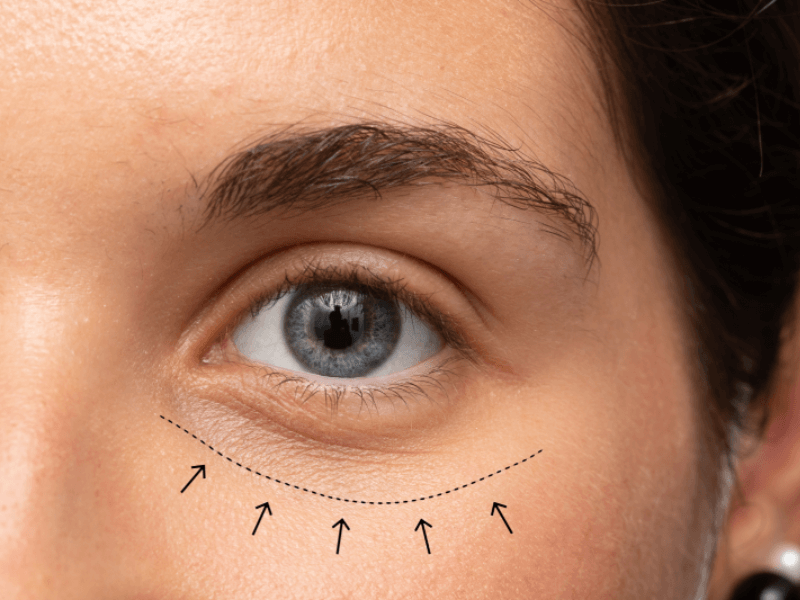
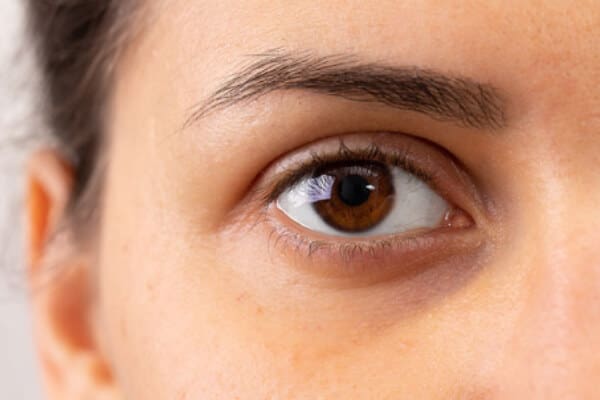
Currently, modern aesthetics offers many effective ways to address the deep hollowness of the lower eyelids, helping clients regain a youthful facial appearance. Accordingly, filling deep hollows with autologous fat and HA injections are two commonly applied solutions.
Filling Under-Eye Hollows with Autologous Fat
This method uses fat from certain areas of the body such as the thighs and abdomen, which is then injected into the deep hollows of the eyes. This fat is preserved and separated using a centrifuge to select the purest adipocytes before being injected into the lower eyelids.
The solution of filling under-eye hollows with autologous fat has several advantages such as:
- High Safety: The use of autologous fat is 100% compatible with the body, helping to minimize the risk of rejection reactions and ensuring high safety for clients.
- Long-Lasting Results: The fat extracted using technology remains nourished after being injected into the hollows of the eyes. This stimulates collagen production, helping your skin look naturally youthful and can be maintained for many years.
- Minimized Pain, No Long Recovery Time: When performing fat grafting to the hollows of the eyes, clients are injected with anesthesia to minimize pain and discomfort. After that, clients do not need much recovery time and can resume normal activities as directed by the doctor.
However, the solution of autologous fat grafting into the hollows of the eyes still has some limitations such as:
- Not Suitable for Very Thin Clients: Because the body has too little fat to perform the grafting into the hollows of the eyes.
- Requires at Least 1 – 2 Grafts: Clients may need a minimum of 1 – 2 grafts to ensure the fat is maintained.
Here is the process of filling deep under-eye hollows:
Step 1: The specialist evaluates the lower eyelid anatomy and requests necessary health screenings.
Step 2: Autologous fat is harvested from the patient’s body, then separates the healthiest fat cells using advanced centrifugation.
Step 3: The specialist anesthetizes the patient’s face to minimize pain and discomfort during the fat grafting procedure.
Step 4: The processed micro-fat cells are meticulously grafted into the targeted under-eye areas.
Step 5: The patient is guided to the post-operative room for recovery brief and aftercare instructions.
Filling Under-Eye Hollows with HA (Filler)
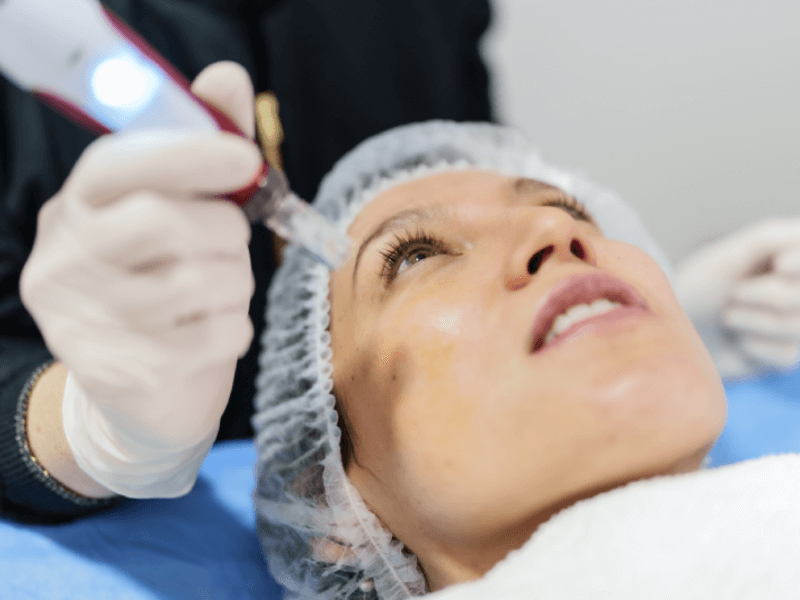
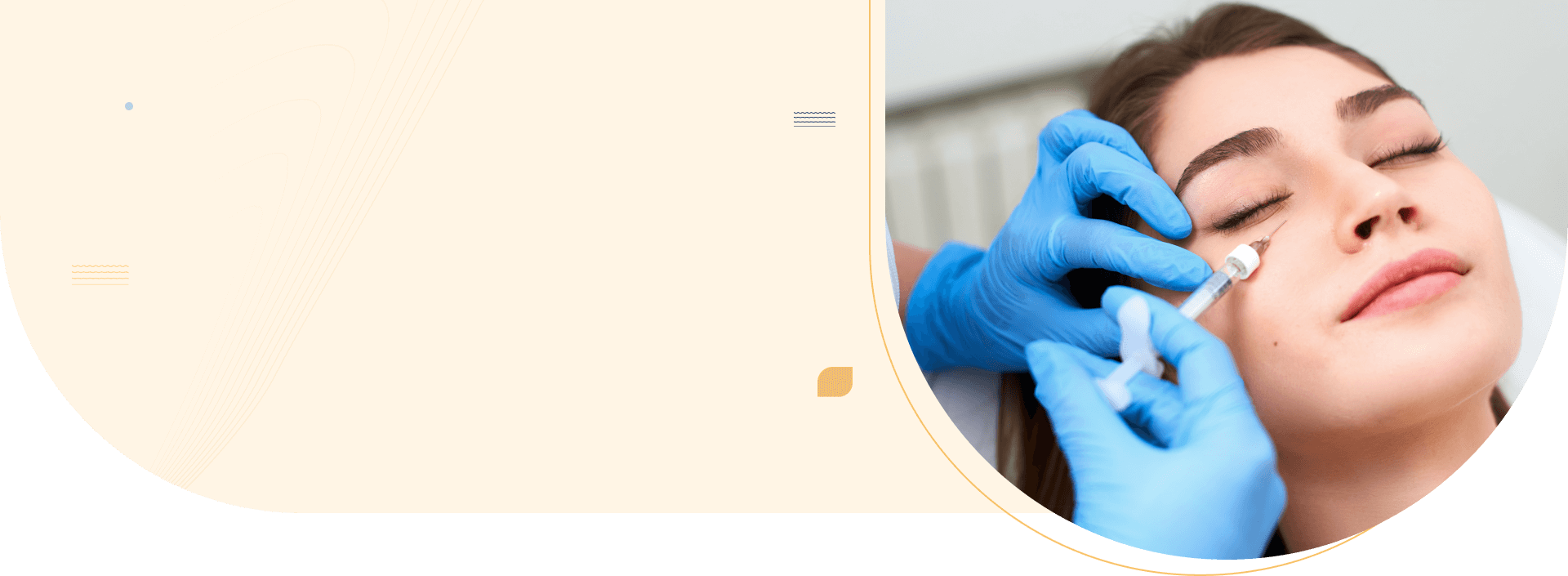
HA (Filler) injection is a method that uses a specialized ultra-fine needle to inject Filler, which mainly consists of Hyaluronic Acid, into the skin under the eyes. This helps to improve the condition of the hollow lower eyelids, making the eyes look younger.
HA injection to fill under-eye hollows has several outstanding advantages such as:
- Quick Injection Process: The HA injection process takes no more than 30 minutes.
- Clear Results: After about 3 days of HA injection, you can clearly see the results of the lower eyelids being plump.
- Minimized Pain: Because the HA injection technique only uses one type of specialized ultra-fine needle to deliver Filler under the skin, it minimizes pain and discomfort for clients.
- No Need for Long Recovery Time: Filler injection is a non-invasive aesthetic method, so clients do not need much time to recover. However, HA injection to fill deep under-eye hollows has the limitation that after about 12 months, clients need to inject again to maintain the results.
We invite women to refer to the standard medical procedure for HA injection to fill deep under-eye hollows:
Step 1: The doctor examines and determines the condition of the client’s deep lower eyelids.
Step 2: The client is explained and checks the product before injection to ensure the correct product name and that it is genuine.
Step 3: The doctor determines the appropriate dosage of HA based on the client’s condition. After that, the doctor cleans and marks the injection site on the lower eyelid.
Step 4: The doctor performs the Filler injection at the designated site.
Step 5: After the surgery, the doctor will guide how to care for at home and schedule a follow-up appointment.


 BOOK A SPECIALIST CONSULTATION




 REGISTER FOR A VIP CONSULTATION WITH THE DOCTOR