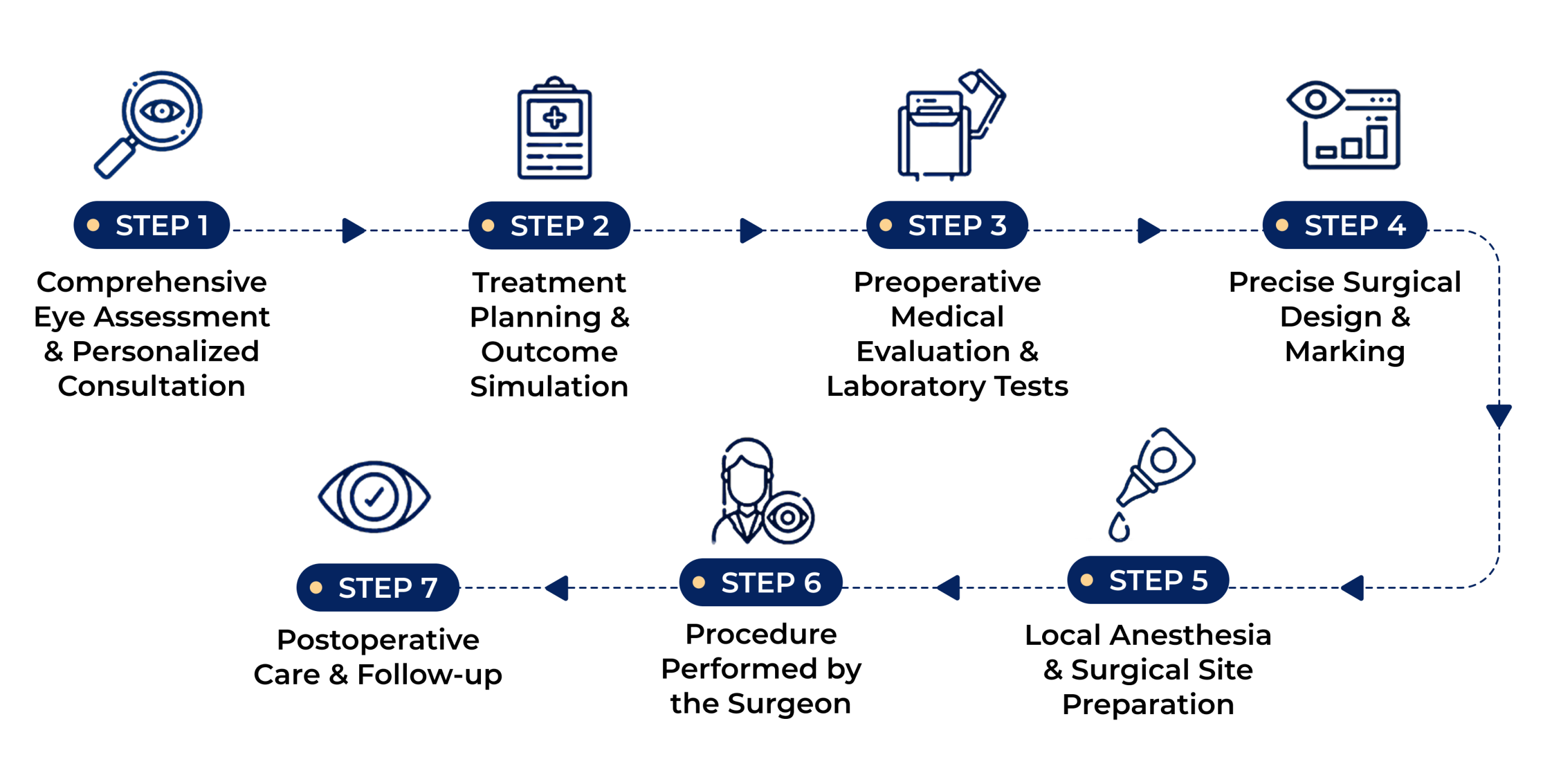
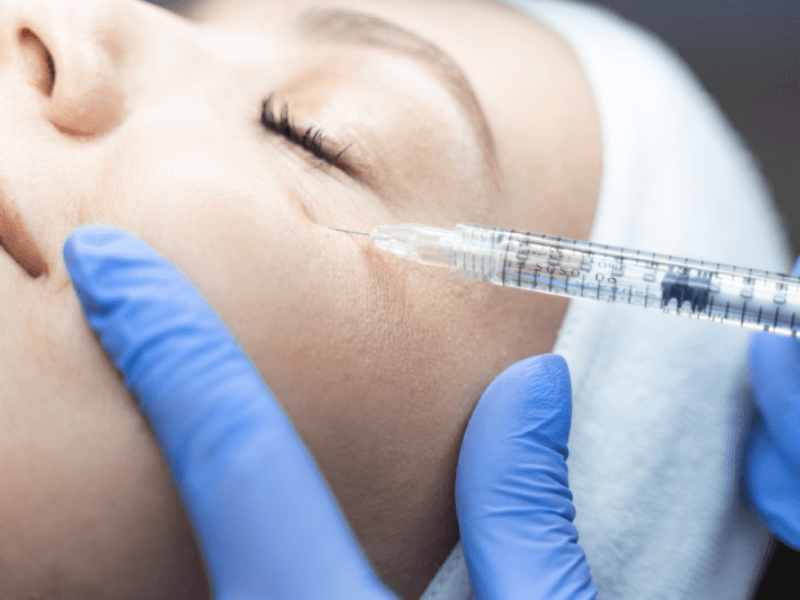
Step 1: Comprehensive examination of the eye area and consultation on suitable methods
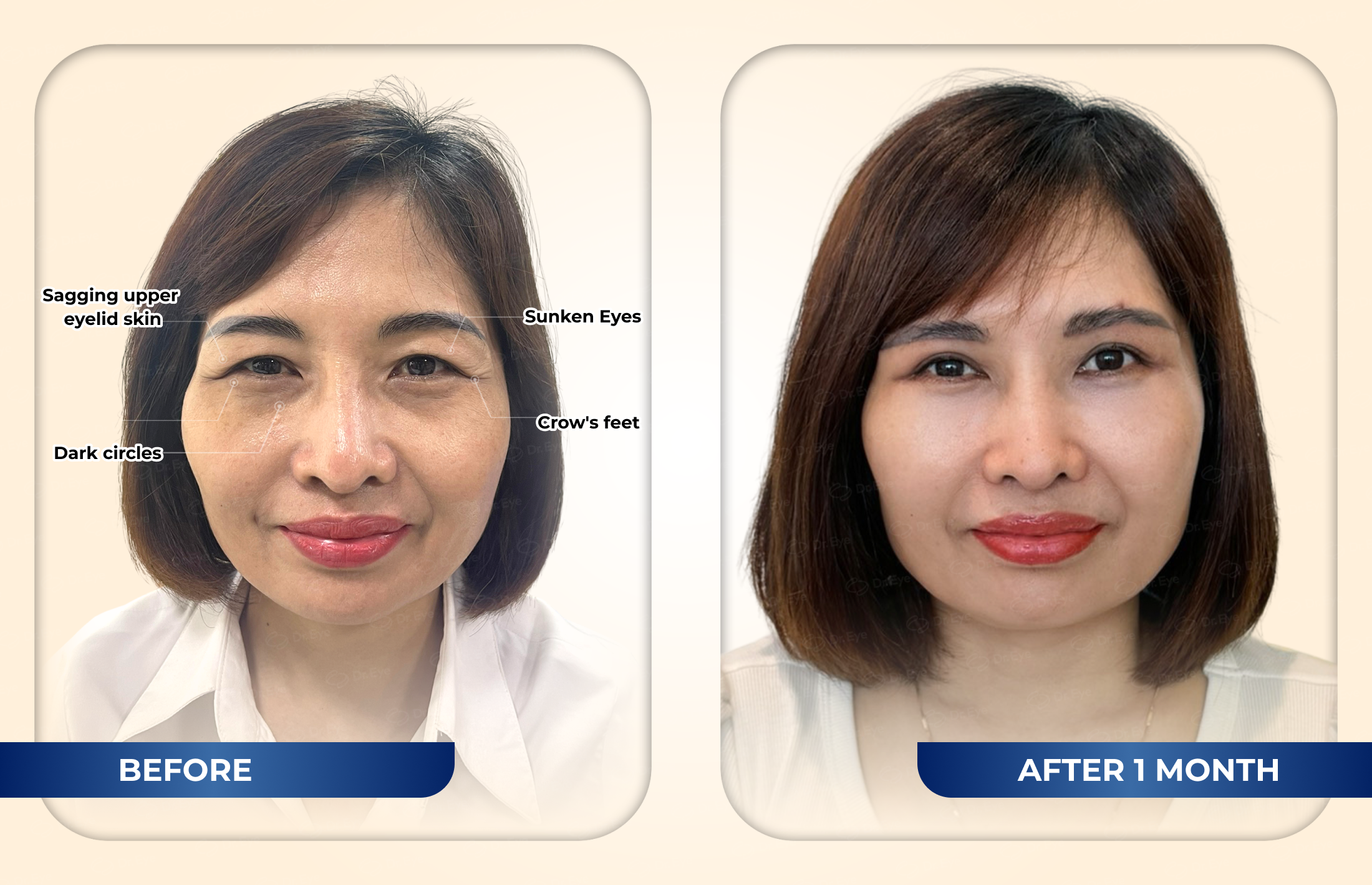
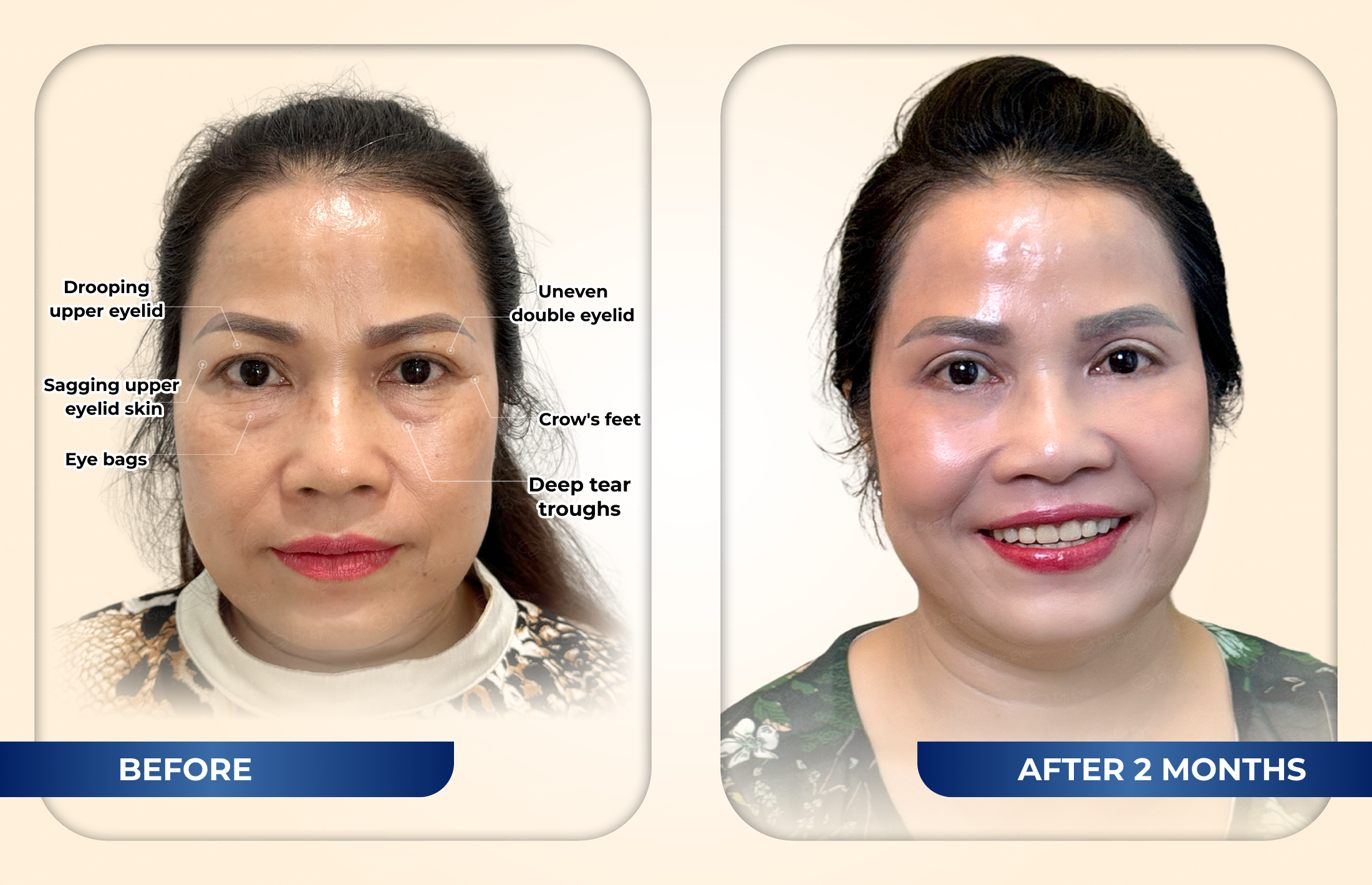
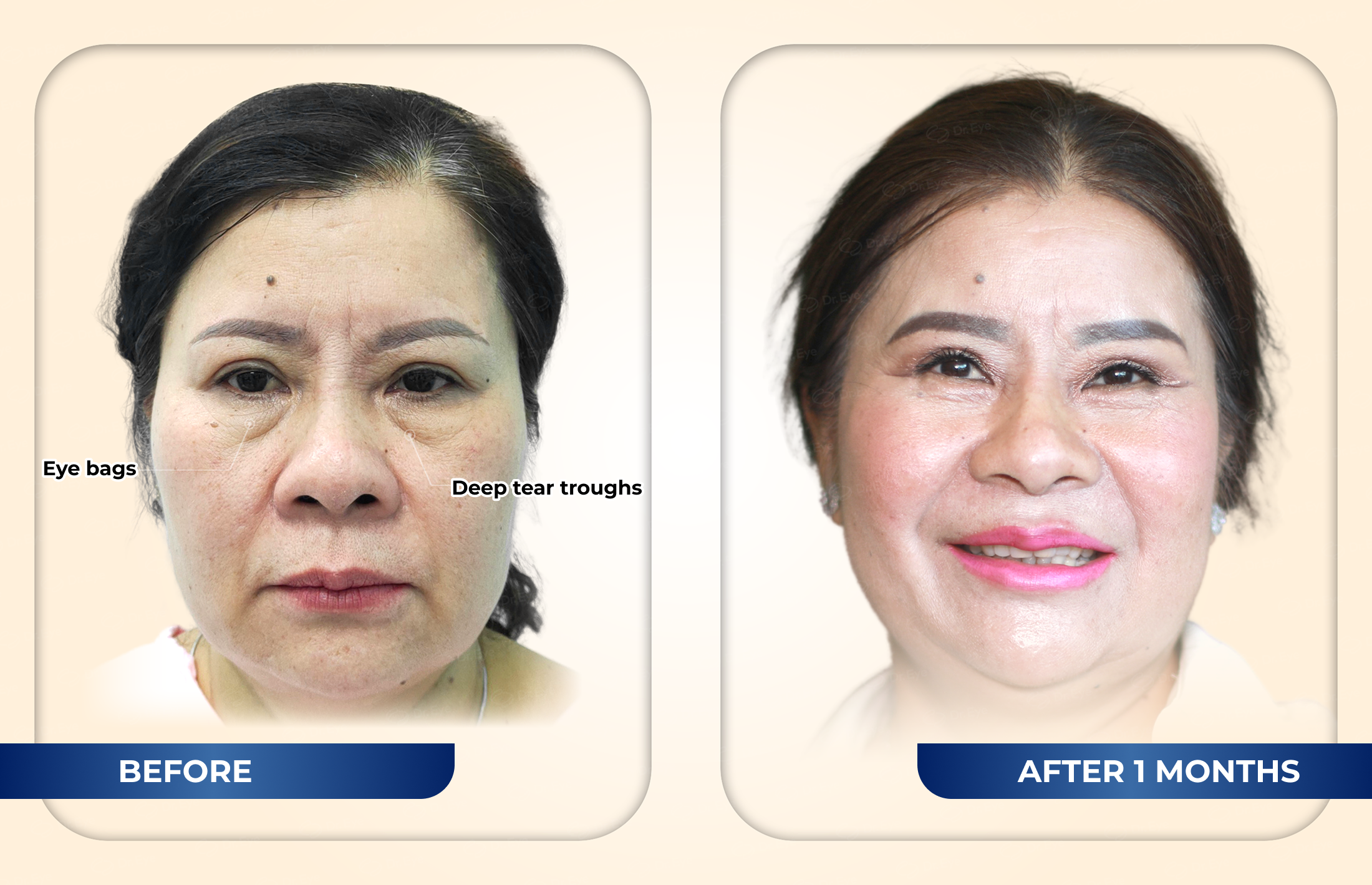
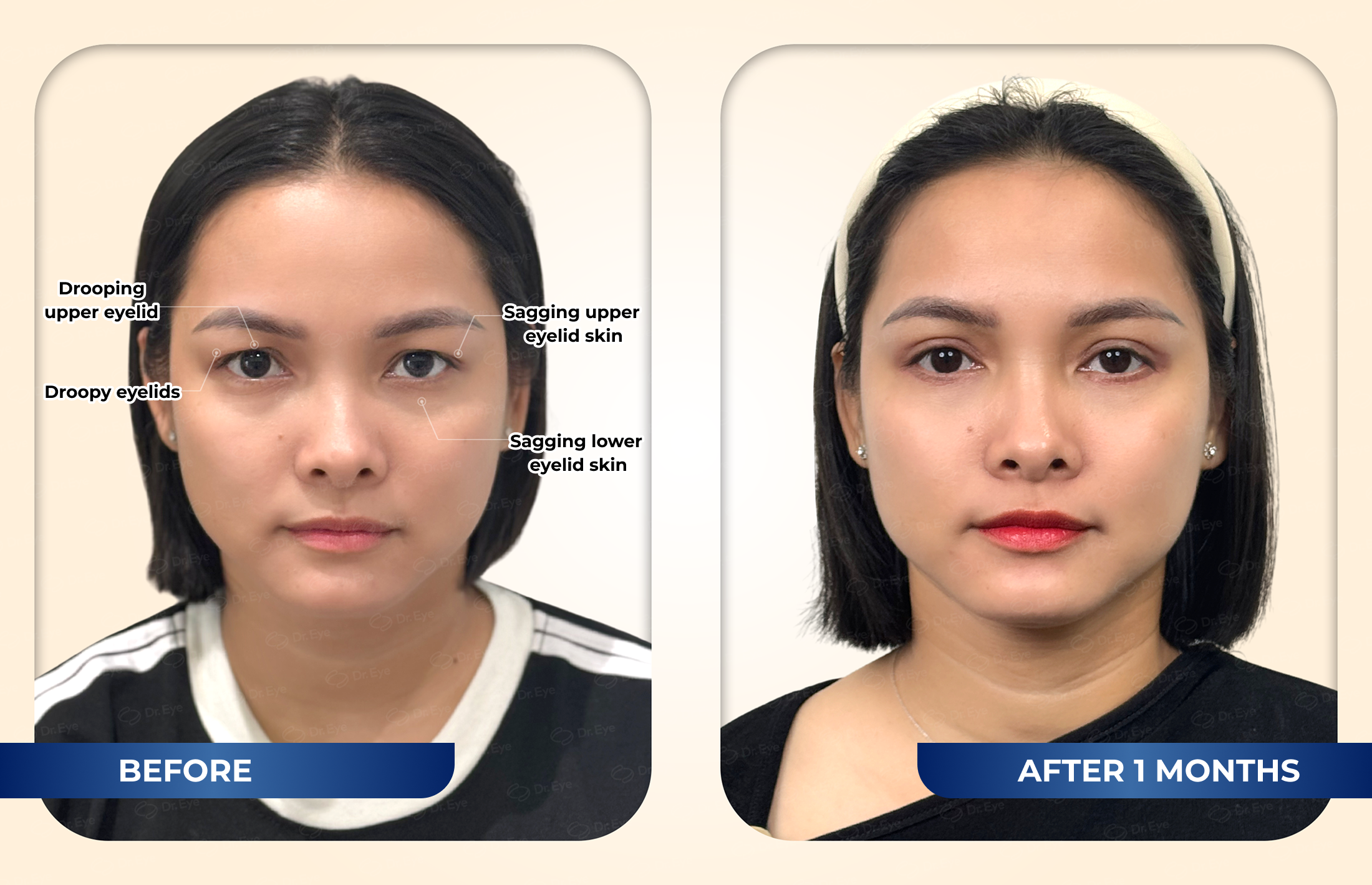
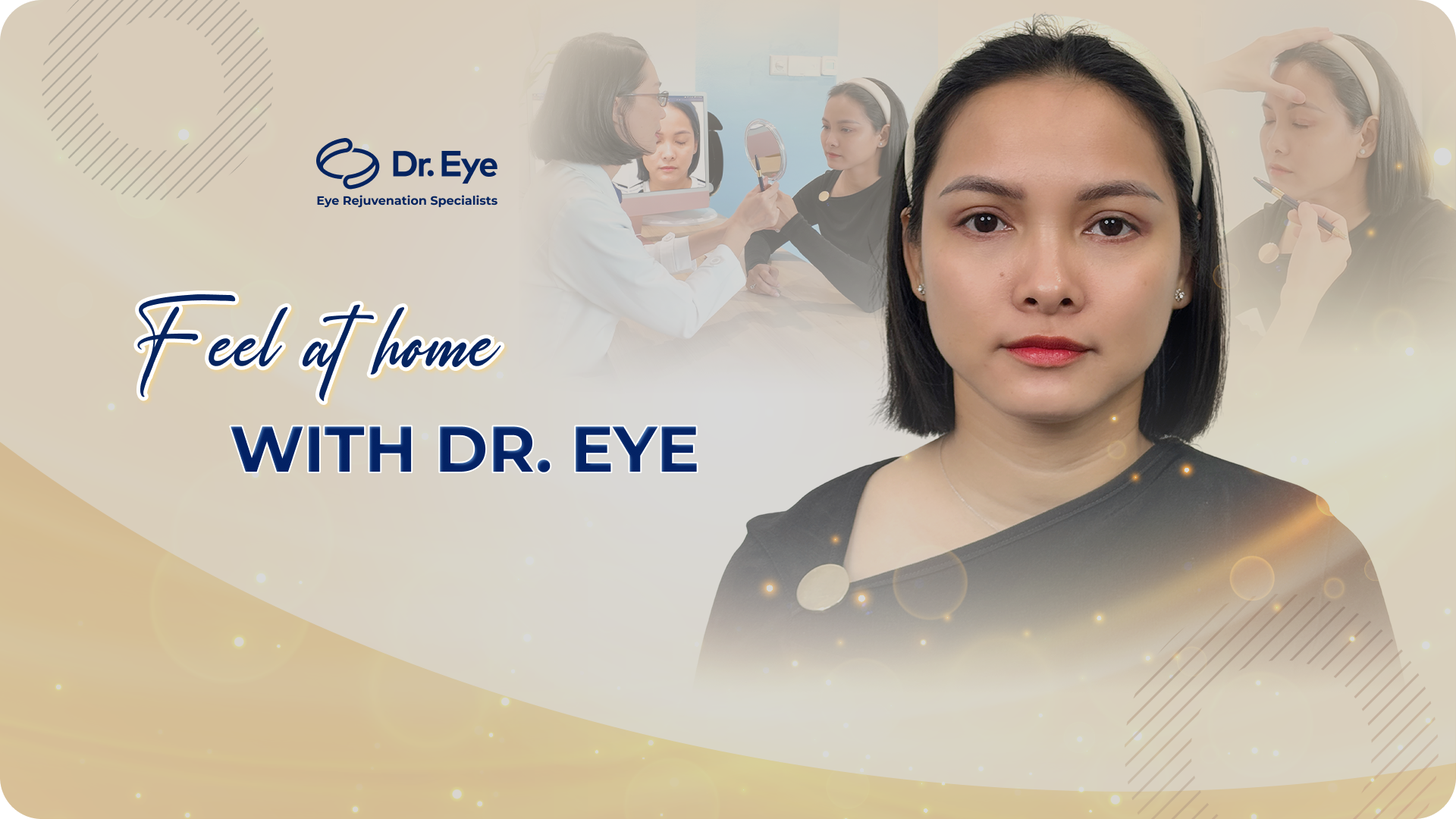
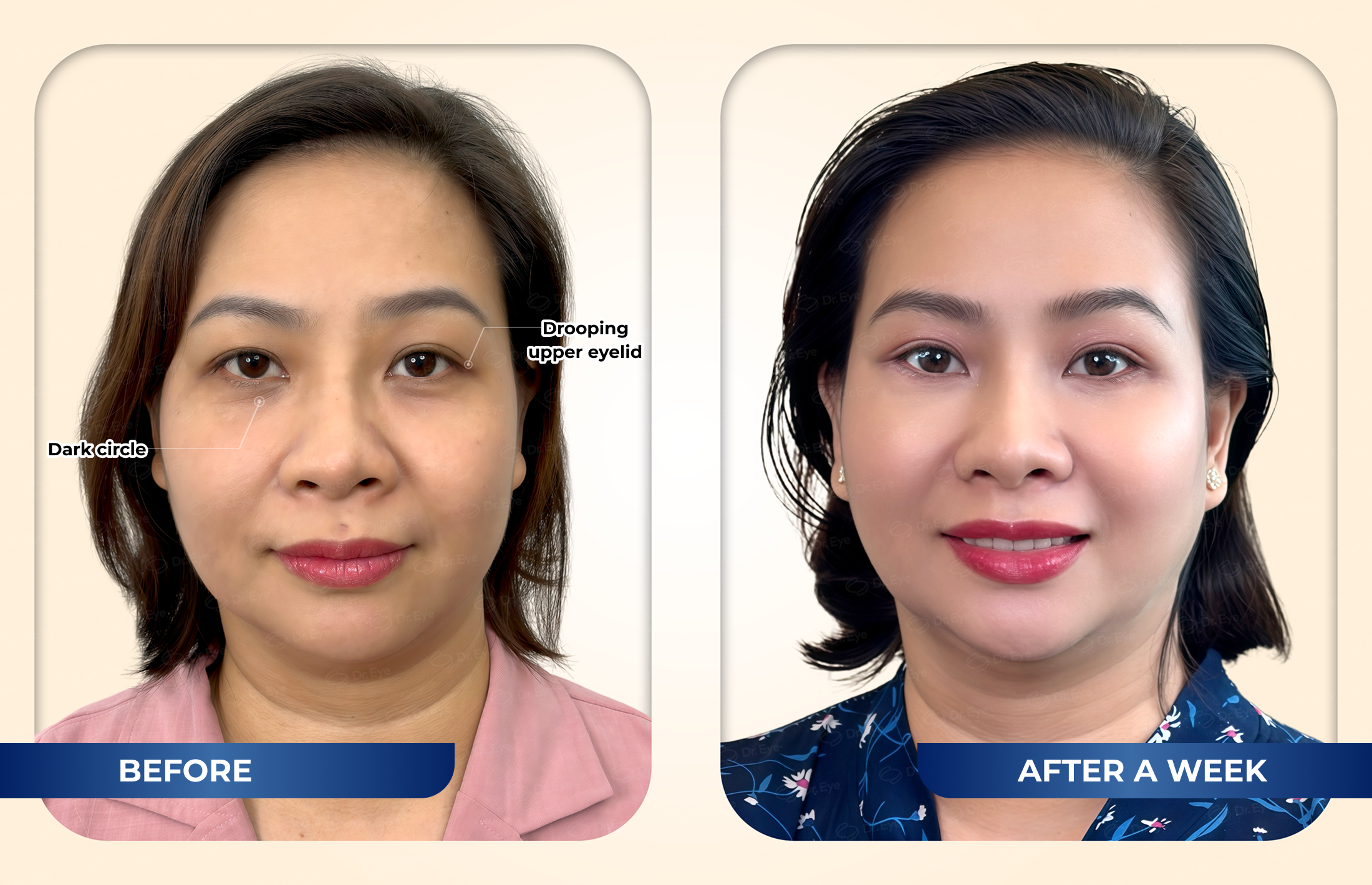
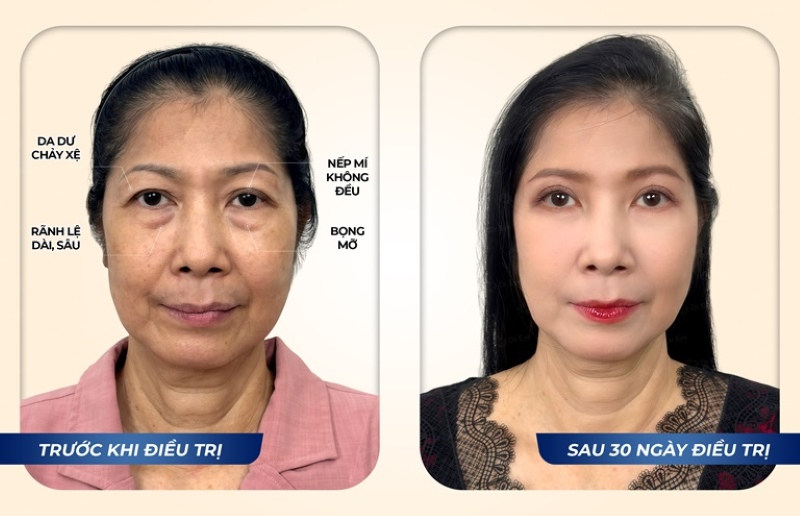
The doctor conducts a thorough examination and assesses the client’s condition regarding the lower eyelid, including under-eye bags, wrinkles, and excess skin. Based on this assessment, the doctor will recommend appropriate corrective solutions.
Step 2: Explanation and visualization of treatment results
The doctor provides a demonstration for the client to visualize the results achieved after removing the excess skin from the lower eyelid to ensure they select the optimal method.
Step 3: Health assessment and testing
The doctor performs a general health assessment and may prescribe tests (if necessary) to ensure the client’s health is adequate for safely performing lower eyelid skin removal.
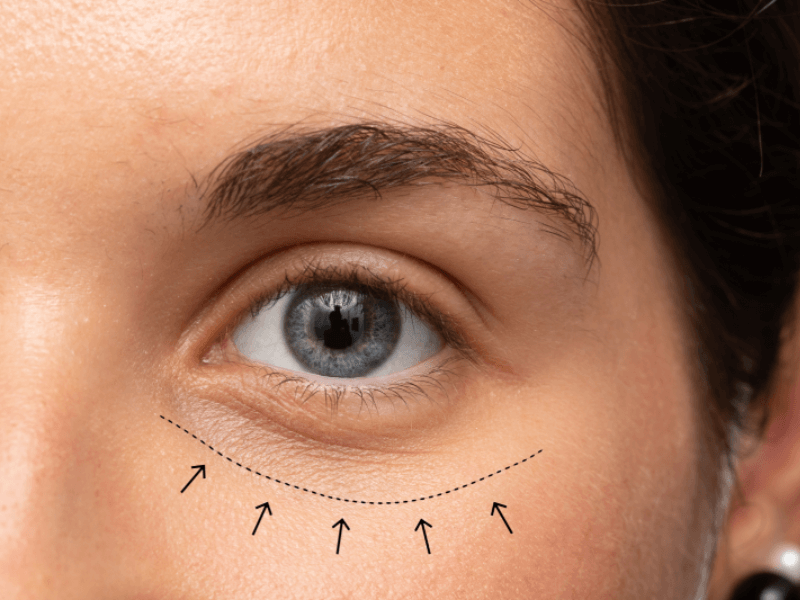
Step 4: Detailed measurements based on the chosen treatment method
The doctor measures and sketches the eyelid area, outlining the surgical line on the lower eyelid for precise surgery.
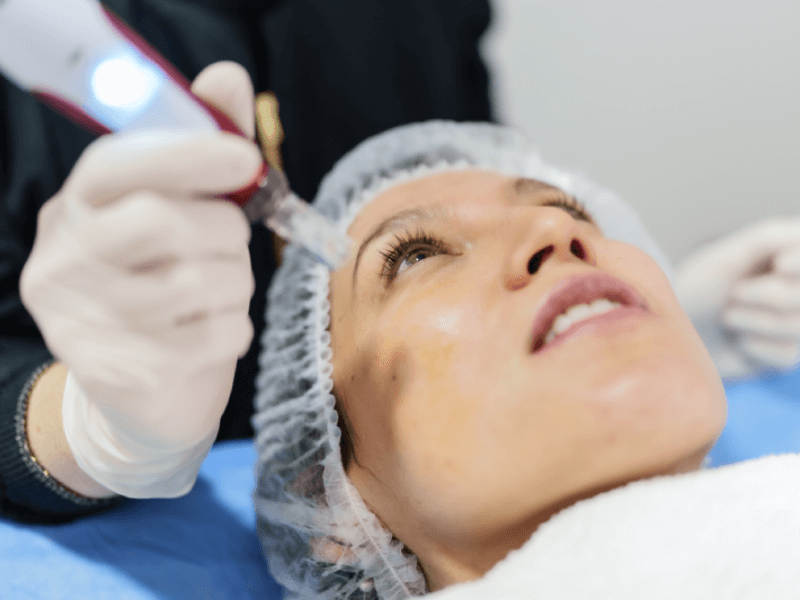
Step 5: Disinfection and local anesthesia in the eye area
The doctor performs disinfection and administers local anesthesia in the area of the lower eyelid skin that requires surgery, using a very small amount of anesthetic. This is a crucial step to help the client minimize pain and discomfort during the procedure.
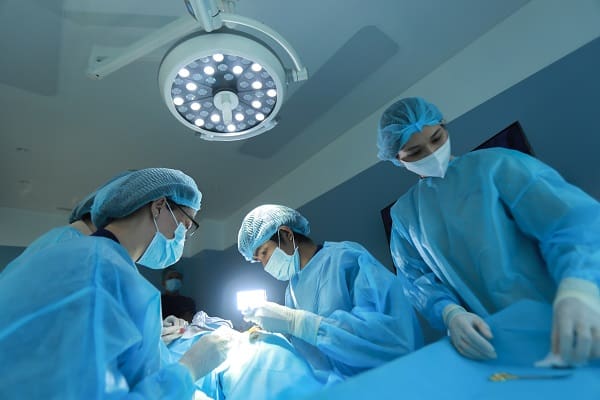
Step 6: The doctor performs lower blepharoplasty
Following the outlined position, the doctor carries out the surgery to remove the excess skin and fat from the lower eyelid.
Afterward, the wound is carefully and skillfully stitched with specialized ultra-fine thread, ensuring that the stitches remain invisible.

Step 7: Post-operative care and follow-up
At the conclusion of the process, the client may rest on-site or return home.
The doctor will schedule a follow-up appointment and provide guidance on post-surgery care.
Please note, the client needs to return for a follow-up so the doctor can remove the stitches after 5 days and assess the recovery process.

 BOOK A SPECIALIST CONSULTATION







 REGISTER FOR VIP CONSULTATION WITH THE DOCTOR