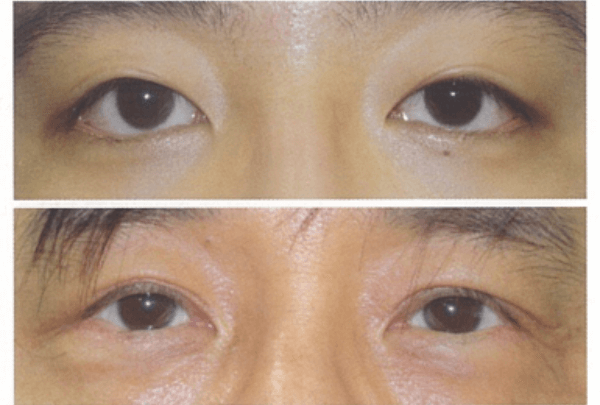
“Ptosis refers to an abnormally low position of the upper-eyelid margin. It should be distinguished from excess upper-eyelid skin, brow descent, and a low or hidden eyelid crease.
The diagnosis should not be based on appearance alone or on a single universal MRD1 (margin reflex distance 1) threshold. The doctor should assess the position of the eyelid margin in primary gaze (looking straight ahead), the difference between the two eyes, levator function (the function of the main muscle that lifts the upper eyelid), eyelid-crease height, brow compensation, eye movements, pupil responses, eye closure, and ocular-surface health.
The patient’s medical history is equally important. The assessment should determine whether the ptosis was present from birth, developed gradually, appeared suddenly, or varies during the day. These patterns may provide important clues about the underlying cause.
Sudden-onset ptosis, particularly when associated with double vision, abnormal eye movements, unequal pupils, severe headache, eye or neck pain, facial or limb weakness, or difficulty swallowing or breathing, requires prompt medical evaluation before any cosmetic treatment is considered.
Treatment is selected according to the underlying cause, the severity of the ptosis, and the remaining function of the eyelid-elevating mechanism.
Aponeurotic ptosis, which occurs when the tendon-like tissue connecting the levator muscle to the eyelid becomes stretched, weakened, or displaced, may be treated with levator aponeurosis advancement or repair in selected patients. A posterior approach involving Müller’s muscle may also be considered in appropriately assessed cases. Levator resection, which shortens or tightens the eyelid-elevating muscle and its associated tissues, may be used for selected congenital or myogenic conditions depending on the patient’s levator function.
Frontalis sling surgery and direct frontalis-muscle flap procedures transfer part of the lifting function of the upper eyelid to the forehead muscle. These methods are generally considered when levator function is poor and are not universal treatments for every type of ptosis.
Excess upper-eyelid skin without a low eyelid margin is generally considered pseudoptosis rather than true ptosis. Upper blepharoplasty or a selected skin procedure may address the excess skin, but it does not correct a problem with the eyelid-elevating mechanism.
Ptosis surgery cannot guarantee perfect symmetry, a permanently stable eyelid height, scar-free healing, or a completely predictable recovery period. Possible concerns include undercorrection, overcorrection, recurrence, contour irregularity, asymmetry, lagophthalmos (incomplete eye closure), dry-eye symptoms, corneal exposure, infection, bleeding, and the possible need for revision.
The goal is to improve the position of the upper eyelid while preserving comfortable eye closure, normal blinking, corneal protection, and the patient’s individual eyelid contour.”
Dr. Nguyen Thi Ly Na, Senior Specialist
Droopy eyelids (Ptosis) not only obstruct vision but also affect facial aesthetics. If left unaddressed, this condition can lead to a loss of confidence and challenges in daily activities.
Currently, there are various methods to address droopy eyelids, each with its own advantages and disadvantages. We encourage you to explore the following article to make an informed choice and soon regain bright, round, and lively eyes!
What Is Ptosis Correction (Droopy Eyelid Surgery)?
Ptosis correction (droopy eyelid treatment) is a specialized surgical procedure designed to repair and elevate malfunctioning upper eyelid muscles (such as the levator muscle), thereby restoring both ocular function and eye symmetry.
Ideal Candidates
Patients with upper eyelids significantly covering the pupil
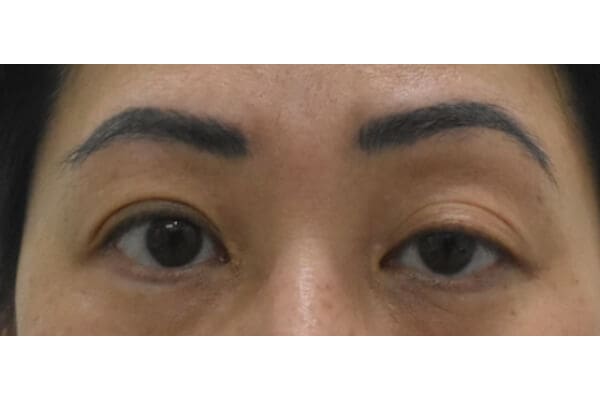
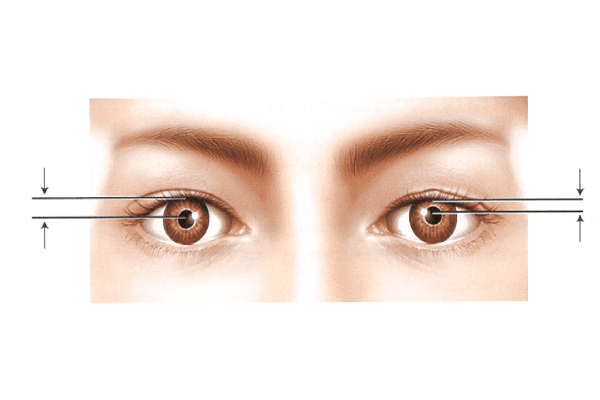
Typically, in a straight gaze position, the upper eyelid covers 1-2 mm of the upper edge of the pupil. However, in cases of ptosis, the upper eyelid covers the pupil by more than 2 mm, leading to asymmetry between the eyes and impacting aesthetics.
1
Patients with a short MRD1 distance
MRD1 is the distance from the center of the cornea to the edge of the upper eyelid. In normal eyes, MRD1 ranges from 3-5 mm. However, in cases of ptosis, MRD1 is less than 4 mm, making the eyes appear smaller and affecting the overall facial appearance.
2
Patients with sagging skin causing ptosis
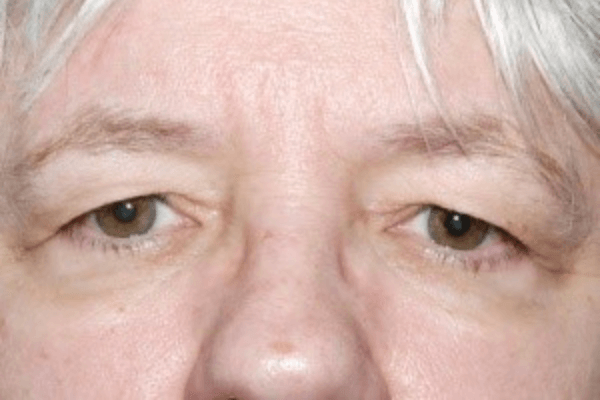
The aging process can result in sagging skin on the eyelids, drooping over the eyeball and creating a false appearance of ptosis, which can make the eyes look tired and lacking vitality.
3
How Ptosis Correction Benefits Your Vision and Appearance
Recreate the natural eyelid crease, addressing all types of drooping.
Restore large, deep, and captivating eyes.
Achieve desired results while maintaining them over the long term.
Experience a gentle process that minimizes discomfort.
Predictable recovery with minimal downtime under specialist care.
Prioritize safety while minimizing scarring.
Schedule a complimentary consultation with the doctor.
Surgical Methods to Correct Droopy Eyelids (Ptosis)
Nowadays, droopy eyelids can be treated in several ways, including cosmetic surgery and changes to daily lifestyle habits. The most suitable treatment depends on each person’s condition and the cause of the eyelid ptosis, so the doctor will recommend the right option for each case
Levator Muscle Shortening
This surgery helps strengthen the muscle that lifts the upper eyelid and can effectively improve droopy eyelids.
In older women, droopy eyelids are often treated with levator muscle shortening surgery.
Indications:
When the muscle that lifts the upper eyelid still has fair to good function.
Advantages:
Helps recreate a natural eyelid crease.
The small incision provides a highly aesthetic result, helps minimize swelling, reduces bleeding, and lowers the risk of noticeable or unsightly scarring.
Recovery time is relatively fast.
Limitations:
The results may not be long-lasting, and recurrence can occur.
There is a potential risk of complications such as inability to fully close the eyelids (lagophthalmos), conjunctival prolapse, and others.
This method may not be effective in cases of poor levator muscle function.
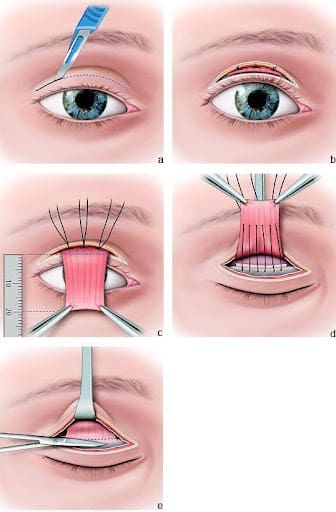
Surgical Procedure for Upper Eyelid Levator Muscle Shortening to Treat Eyelid Ptosis
Step 1: The doctor examines the periocular area and administers local anesthesia to help reduce discomfort throughout the procedure.
Step 2: An eyelid skin incision is made, and the skin flap is excised depending on the degree of excess eyelid skin.
Step 3: The skin edges and orbicularis oculi muscle are dissected to expose the upper eyelid levator muscle.
Step 4: The incision edges are sutured, and a double eyelid crease is created.
Step 5: The patient is monitored after surgery and follows postoperative care instructions provided by the doctor.
Illustration of the levator–Müller’s muscle resection and shortening procedure using the Berke technique.
Frontalis Sling Suspension for Indirect Eyelid Elevation Using Frontalis Muscle Contraction
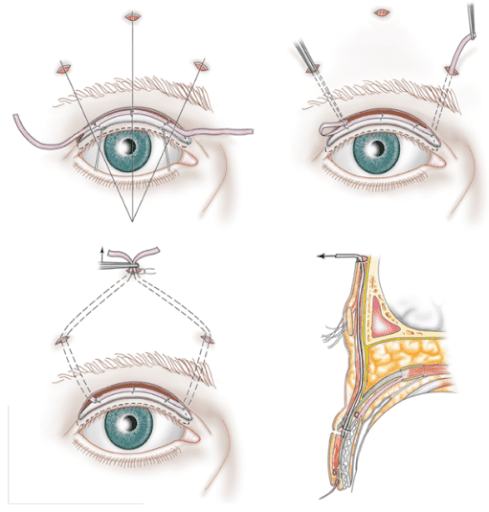
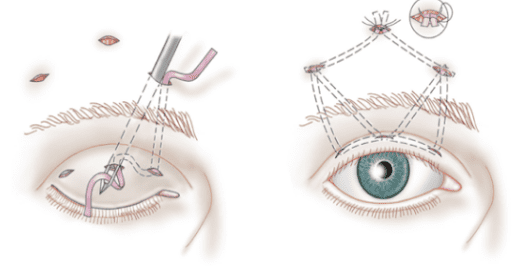
This method involves suspending part of the upper eyelid to the frontalis muscle using autologous materials, such as fascia lata or superficial temporal fascia, or synthetic materials, such as non-absorbable sutures or silicone rods, to improve symmetry between both eyelids.
Indications:
In cases where upper eyelid levator muscle function is weak or absent.
Advantages:
The technique is simple, quick to perform, and minimally traumatic.
It can be applied to all types of eyelid ptosis, especially bilateral ptosis.
Limitations:
There is a risk of recurrence.
Potential complications include eyelid drooping on upgaze, lagophthalmos that may lead to corneal inflammation, or overcorrection from excessive frontalis suspension, which may pull the eyelid away from the globe.
The procedure for indirect eyelid suspension to the frontalis muscle is as follows:
Step 1: The doctor examines and directly assesses the degree of eyelid laxity. The patient is then instructed to undergo several general health tests to help ensure the minor surgical procedure can be performed safely.
Step 2: The doctor administers local anesthesia to the eye area to help prevent pain or discomfort.
Step 3: The doctor proceeds with the surgical procedure.
Treatment of eyelid ptosis using a silicone sling.Treatment of eyelid ptosis using fascia lata or superficial temporal fascia.
Step 4: The incision is sutured, and the patient is monitored after surgery.
Direct Eyelid Suspension to the Frontalis Muscle
The doctor uses an autologous frontalis muscle flap, which may include a C-shaped flap, a tri-split frontalis flap, an advancement flap, or an orbicularis oculi–frontalis interlacing flap, to directly suspend the eyelid. At the same time, excess lax eyelid skin is removed to correct eyelid ptosis that obstructs vision and to help restore normal eye function.
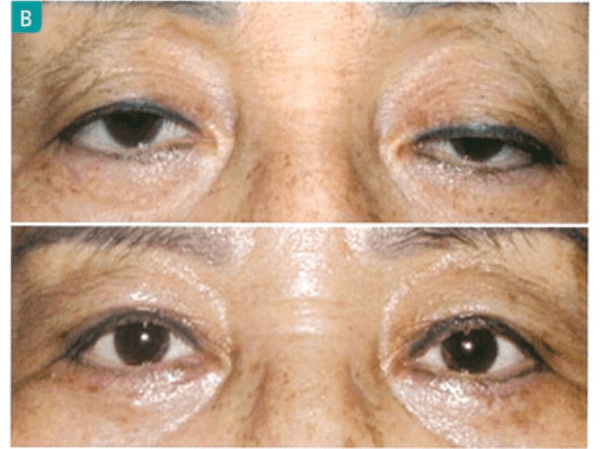
Use of a frontalis muscle flap for the treatment of congenital ptosis, with high efficacy and a low recurrence rate.
Indications:
In cases where upper eyelid levator muscle function is weak or absent.
Advantages:
Effective treatment for severe ptosis caused by congenital factors or trauma.
Uses autologous tissue, which helps maximize biocompatibility and safety.
Provides long-term results with a low recurrence rate.
Limitations:
The technique is relatively complex and requires the surgeon to have a thorough understanding of upper eyelid anatomy and the surrounding structures.
The procedure for direct eyelid suspension to the frontalis muscle is as follows:
Step 1: The patient undergoes an examination of the upper eyelid area, along with a general health assessment, and receives consultation from the doctor.
Step 2: The doctor administers local anesthesia to the eye area.
Step 3: The doctor creates two incisions along the brow and upper eyelid, allowing the frontalis muscle flap to be rotated downward for eyelid suspension. This helps create an aesthetically pleasing eyelid crease while effectively preserving motor and sensory nerves.
Step 4: The incisions are sutured, followed by postoperative monitoring and care.
Treatment Options for Skin Laxity Causing Pseudoptosis:
For eyelid drooping caused by age-related skin laxity, doctors may recommend the following treatment options:
(1) Upper Blepharoplasty:
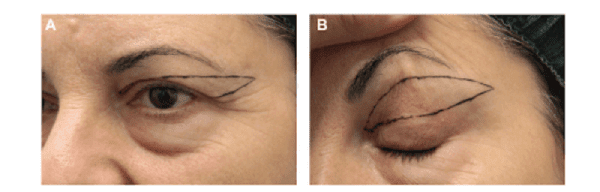
The doctor removes excess skin from the upper eyelid and recreates a larger, more well-defined eyelid crease. This method is indicated for patients with a significant amount of excess skin (>15–20 mm), often involving excess skin at the medial canthus, and with an absent eyelid crease.
Upper blepharoplasty to correct excess eyelid skin and eyelid ptosis.
Removes excess eyelid skin that obstructs the visual field and creates a new, natural-looking eyelid crease without affecting the shape of the brow.
Procedure:
Step 1: The doctor performs a comprehensive examination of the eye area and instructs the patient to undergo a general health check.
Step 2: The doctor calculates the amount of excess skin and precisely designs the incision line.
Step 3: The doctor disinfects the surgical area and administers local anesthesia to the upper eyelid.
Step 4: The doctor performs upper blepharoplasty, then uses sutures to recreate the new eyelid crease.
Step 5: The procedure is completed, followed by postoperative monitoring.
(2) Sub-Brow Lift Surgery:
This technique involves excising excess skin beneath the eyebrow to correct eyelid drooping. It is indicated in cases of skin laxity, for patients who do not wish to change their existing eyelid crease, those with thick and high-positioned eyebrows, or patients who have previously had eyebrow tattooing.
Sub-brow lift surgery to treat skin laxity and improve eyelid ptosis.
The procedure is simple and quick to perform.
It can provide good aesthetic results, helping restore a natural eyelid crease and a harmonious brow contour.
Procedure:
Step 1: The doctor performs a comprehensive examination of the eye area, explains the treatment plan, and may request a general health check to help ensure safety during the procedure.
Step 2: The doctor assesses the amount of excess skin to be removed, then measures, designs, and marks the surgical area along the brow.
Step 3: The surgical area is disinfected, and local anesthesia is administered.
Step 4: The doctor performs the direct sub-brow lift procedure, then carefully places the sutures so the incision is well concealed and visible scarring is minimized.
Step 5: The procedure is completed, followed by postoperative monitoring.
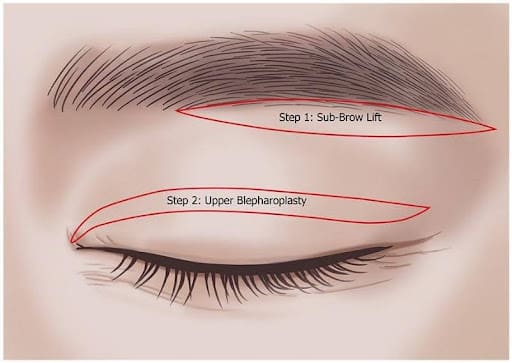
(3) Combined Upper Blepharoplasty and Brow Lift:
For patients with high-positioned brows, excessive redundant skin involving both the medial and lateral canthal areas, and asymmetrical eyelid creases, performing each surgical method separately may not achieve comprehensive functional and aesthetic improvement. Therefore, in these cases, the doctor may combine brow suspension or brow lifting with upper blepharoplasty.
Combined brow suspension and upper blepharoplasty help achieve comprehensive improvement in both ocular function and aesthetic appearance.
High efficacy with rapid wound healing.
Helps reduce the risk of long scars at the lateral canthus and the tail of the brow.
Because this is a complex technique, it should be performed by an experienced surgeon.
Procedure:
Step 1: The doctor performs a comprehensive examination of the eye area, explains the treatment plan, and instructs the patient to undergo a general health check.
Step 2: The incision lines are designed, and the total amount of excess skin at each treatment site is calculated. This is the most challenging step and requires extensive professional experience from the surgeon.
Step 3: The surgical area is disinfected, and an appropriate amount of local anesthetic is administered.
Step 4: Brow suspension surgery is performed while excess skin is removed from the outer one-third of the eye area.
Step 5: Upper blepharoplasty is then performed along the pre-designed incision line.
Step 6: Cosmetic suturing is performed, followed by postoperative monitoring.
Overall, individuals with eyelid ptosis should be examined and consulted by an experienced doctor to choose the most appropriate surgical method and timing.
What Are the Risks and Complications of Ptosis Surgery?
If ptosis correction is performed at an unqualified providers, it may lead to complications such as:
If the surgical procedure is not properly sterilized, it can result in infections.
If the doctor does not perform the suture technique, it may leave unsightly scars, impacting the aesthetics of the face after surgery.
Other potential risks vary based on the surgical approach and individual anatomy, which will be detailed during your clinical consultation.
However, the above complications can be effectively managed and minimized if clients receive treatment at a reputable facility.
Dr. Eye – Trusted Clinic for Ptosis Treatment
Dr. Eye is proud to be the first center specializing in comprehensive eye rejuvenation treatments for middle-aged women. Dr. Eye continuously strives to provide clients with gentle treatment experiences and sustainable results, restoring naturally beautiful eyes without ptosis.
Evidence-Based Consultation
Dr. Eye commits to honest consultation based on the latest scientific research in the world regarding eye area aging.
Personalized Treatment Planning
Treatment plans are individualized based on each patient’s anatomy, concerns, and treatment goals. You will be able to see and clearly visualize the results before treatment.
In-Depth & Comprehensive Eye Area Treatment
At Dr. Eye, you will be treated by 100% certified doctors with over 5 years of experience in aesthetic eye care, comprehensively addressing the issue of eye area aging.
Minimally Invasive Approaches with a Focus on Safety
Dr. Eye’s doctors continuously enhance their skills, update the latest technologies, and choose minimal intervention methods, prioritizing your safety above all.
Patient-Centered Care and Quality Standards
* Strict infection control procedures, authentic surgical equipment.
* Thoughtful and caring client service, always available to support you 24/7.
How Much Does Eyelid Ptosis Surgery Cost?
At Dr. Eye, you can rest assured with the transparent and reasonable service price list for ptosis correction. The clinic also helping you access high-quality clinical care at competitive rates.
Procedure
Reference price (VND)
Surgical Correction of Congenital Ptosis (Elevating or Lowering the Eyelid Muscle)
Understanding the desire to preserve the youthful beauty of the eyes for middle-aged women, Dr. Eye offers modern solutions to address all aging issues around the eyes such as sagging eyelids, eye bags, crow’s feet,…
Our patients
Ms. Dao Phuong Nhi
44 years old, Ho Chi Minh City
EXCESS SKIN REMOVAL ON THE UPPER EYELID – UPPER EYELID FAT GRAFTING – BROW LIFTING UNDER THE BROW ARCH
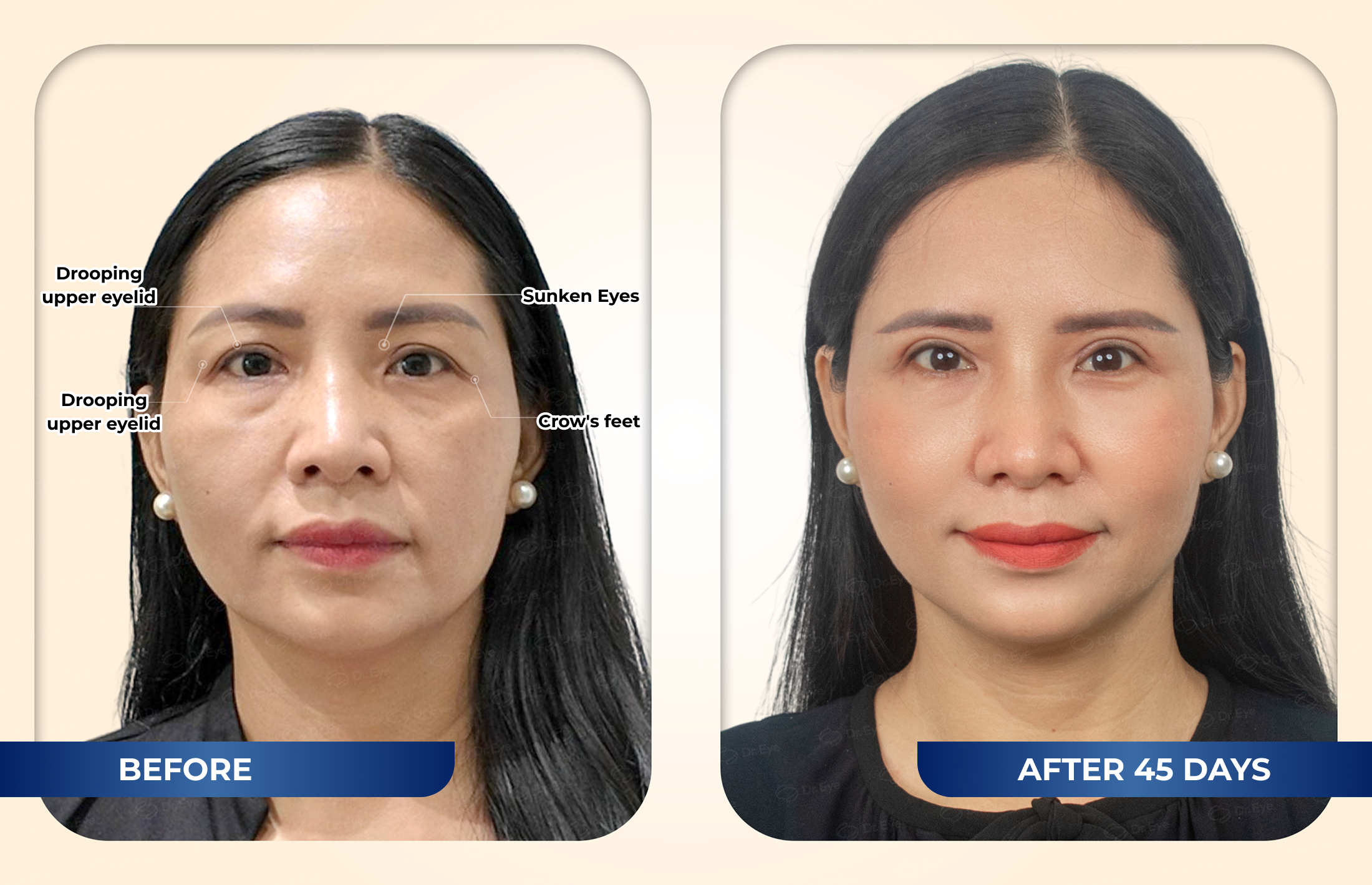
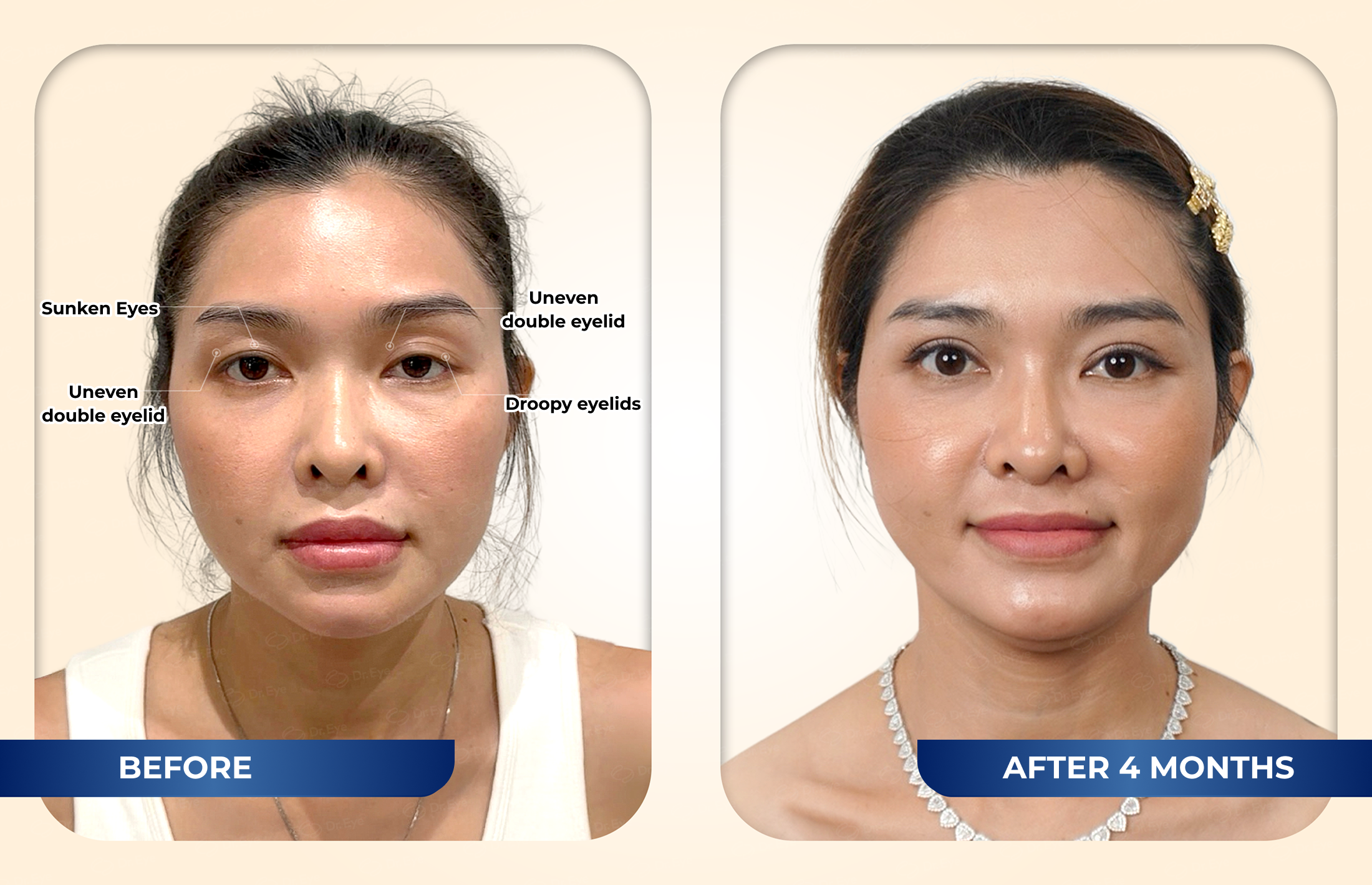
“I chose Dr. Eye because Dr. Eye specializes in anti-aging treatments for the eye area. When specializing, the doctors have a lot of experience, so I feel assured. Moreover, when I came for a consultation, the doctor provided very accurate, honest, and detailed advice, offering solutions that I found reasonable, so I have confidence. All imperfections were addressed, and I feel my eyes are younger and brighter; looking in the mirror, I feel like I have returned to being 18 years old.”
UPPER EYELID SURGERY – TREATMENT FOR DROOPY EYELIDS – UPPER EYELID FAT GRAFTING
“I had previously made a deposit elsewhere but did not proceed because I felt their consultation was superficial. However, when I came to Dr. Eye for a consultation, I felt that the doctor had high expertise, explained everything in detail, and advised me on what to do and what not to do. I felt reassured and decided to proceed at Dr. Eye. The results after 1 month are very satisfactory; I find it beautiful, natural, and my eyes look more soulful, I feel confident and more energetic.”
LIFTING EYEBROWS – PTOSIS TREATMENT – LOWER EYELID SURGERY
“I have wanted to do my eyes for a long time, not just recently, but I haven’t had the trust, and coming to Dr. Eye has been the 7th or 8th place already. Then, by chance, as if it were fate, I saw Dr. Eye’s Facebook page specializing in aging eyes, aimed at middle-aged people like my age, so I researched, scheduled a day to consult, and then decided to do cosmetic surgery right away.
Clinical Care Guidelines: Before and After Ptosis Correction
Before ptosis treatment:
Inform the doctor about your medical history, allergy history, and any medications you are currently taking (if any).
Select a reputable medical facility to ensure an accurate diagnosis of the cause and provide appropriate and effective treatment.
After ptosis treatment:
Clients need to have their bandages changed and follow post-operative care as directed by the doctor.
Limit reading, watching TV, using computers, or phones until the eyes have recovered.
Wear sunglasses and combine with a protective hat when going outside.
Maintain a healthy diet and lifestyle, and ensure adequate sleep.
Return for follow-up appointments as scheduled by the doctor.
Frequently Asked Questions
1. Can droopy eyelids resolve on their own?
For mild cases of ptosis, the condition may improve over time with proper care and a healthy lifestyle. However, in many instances, ptosis requires treatment to prevent long-term impact on vision and aesthetics.
2. Are there any home remedies for ptosis?
Clients can adopt a scientifically-backed rest regimen for their eyes, maintain a healthy diet rich in vitamin A, vitamin B12, beta-carotene, lutein, and more, and perform daily eye massages to support ptosis correction. However, these methods are only applicable for temporary droopy eyelid cases and require long-term commitment.
3. Does ptosis correction cause discomfort?
Clients can feel reassured knowing that the doctors at Dr. Eye prioritize minimally invasive techniques and use appropriate anesthesia to ensure comfort throughout the procedure. Recovery is swift, with no need for extended downtime.
4. Does ptosis correction surgery leave scars?
The skilled team of doctors at Dr. Eye performs procedures with precision and provides clients with detailed aftercare guidance, minimizing the risk of scarring following ptosis correction.
5. Is the cost of ptosis correction covered by insurance?
This depends on the benefits of each insurance product that clients participate in. You can contact a Dr. Eye specialist for more detailed consultation.
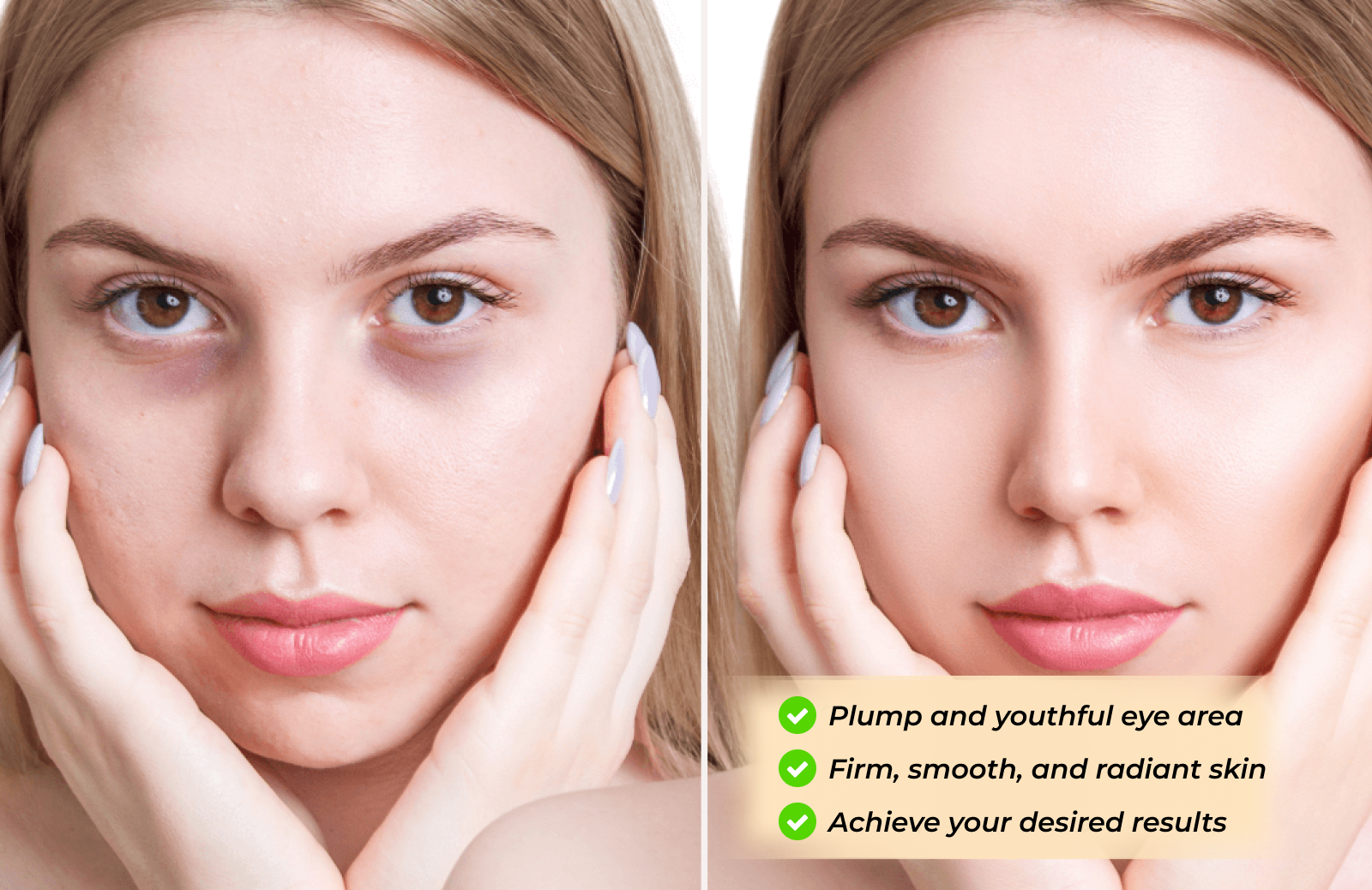
Experience dark circle treatment services at Dr. Eye with an experienced doctor. Our personalized treatment plan provides the right solution for dark circles to help achieve optimal results.
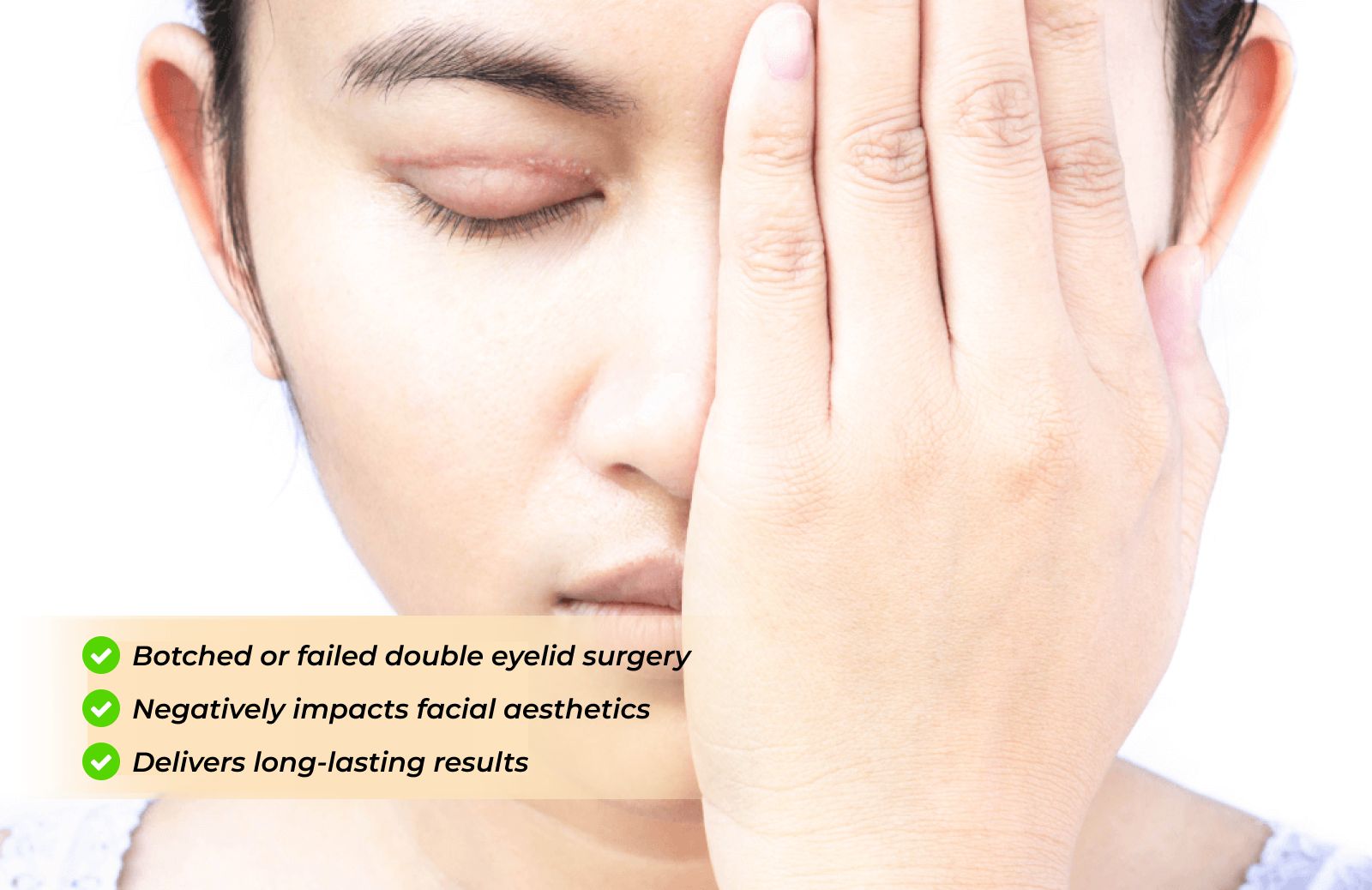
Dr. Eye provides specialized eyelid correction services, personalized according to each patient’s condition. Experienced doctors offer honest consultations based on the principle of minimally invasive procedures, ensuring safety and lasting results.
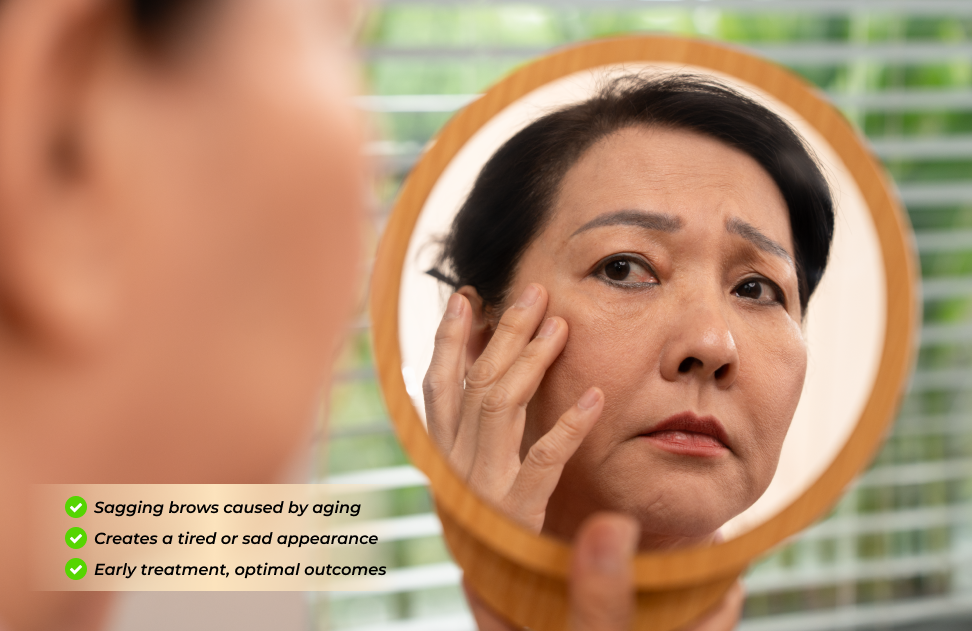
3 solutions to lift low, sagging eyebrows are direct brow lifting, thread lifting, and endoscopic brow lift. Dr. Eye offers specialized services to enhance the eyebrow arch to the golden ratio, harmonizing with the face.



 BOOK A SPECIALIST CONSULTATION




 REGISTER FOR VIP CONSULTATION WITH THE DOCTOR