Failed Blepharoplasty

Failed Blepharoplasty: Symptoms, Causes, and Revision Options


(Medically Reviewed by Dr. Nguyen Thi Ly Na)

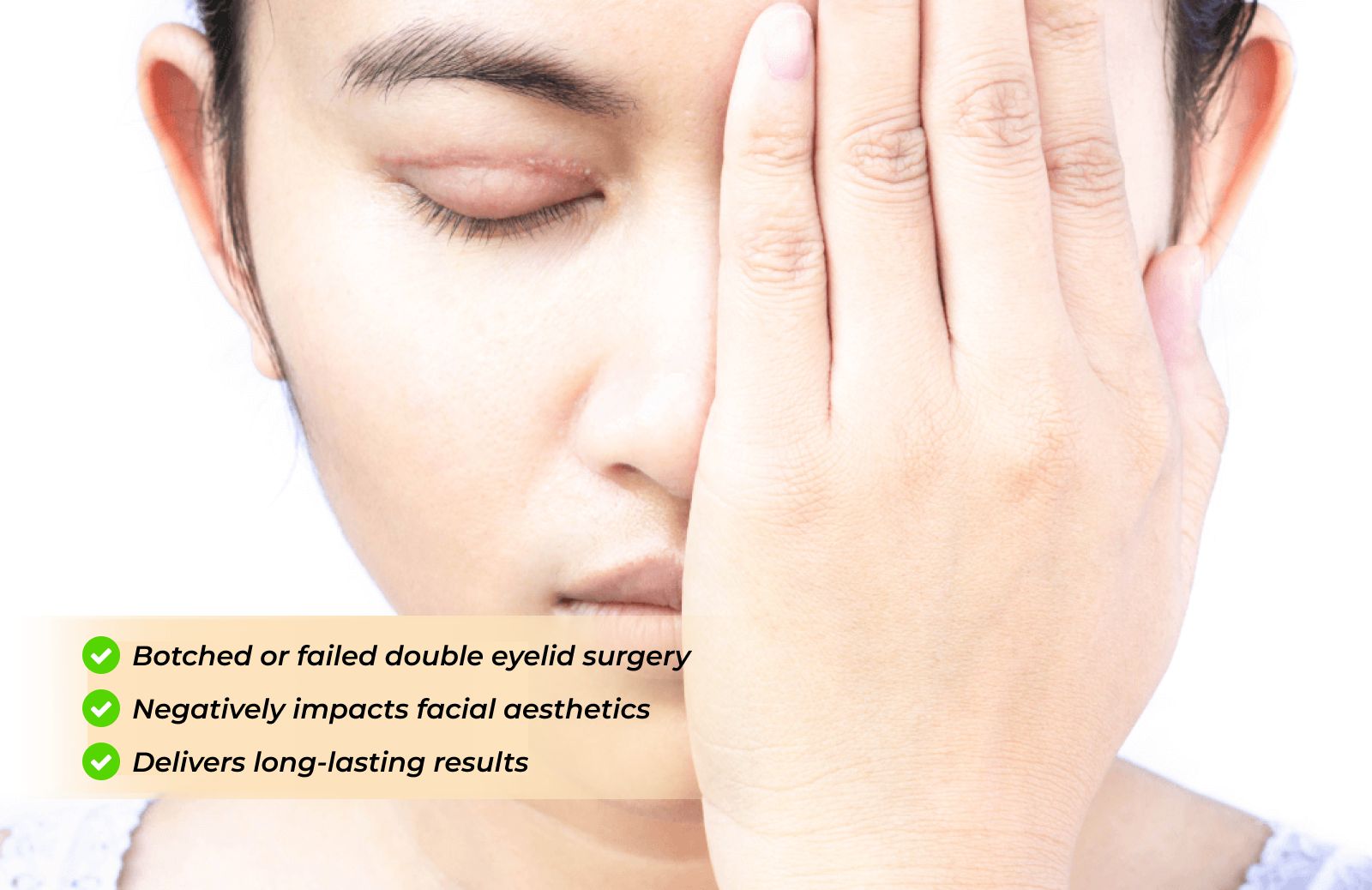
Upper blepharoplasty is a precision procedure designed to restore a youthful appearance and correct structural hooding. However, poor surgical execution or improper healing can result in functional issues and asymmetrical results that necessitate specialized revision surgery.

How Do You Identify a Failed Eyelid Surgery?

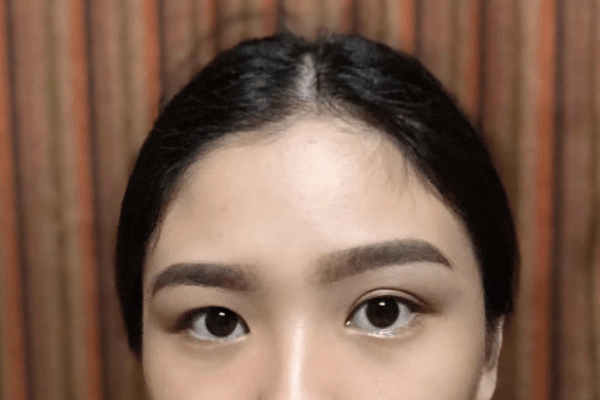
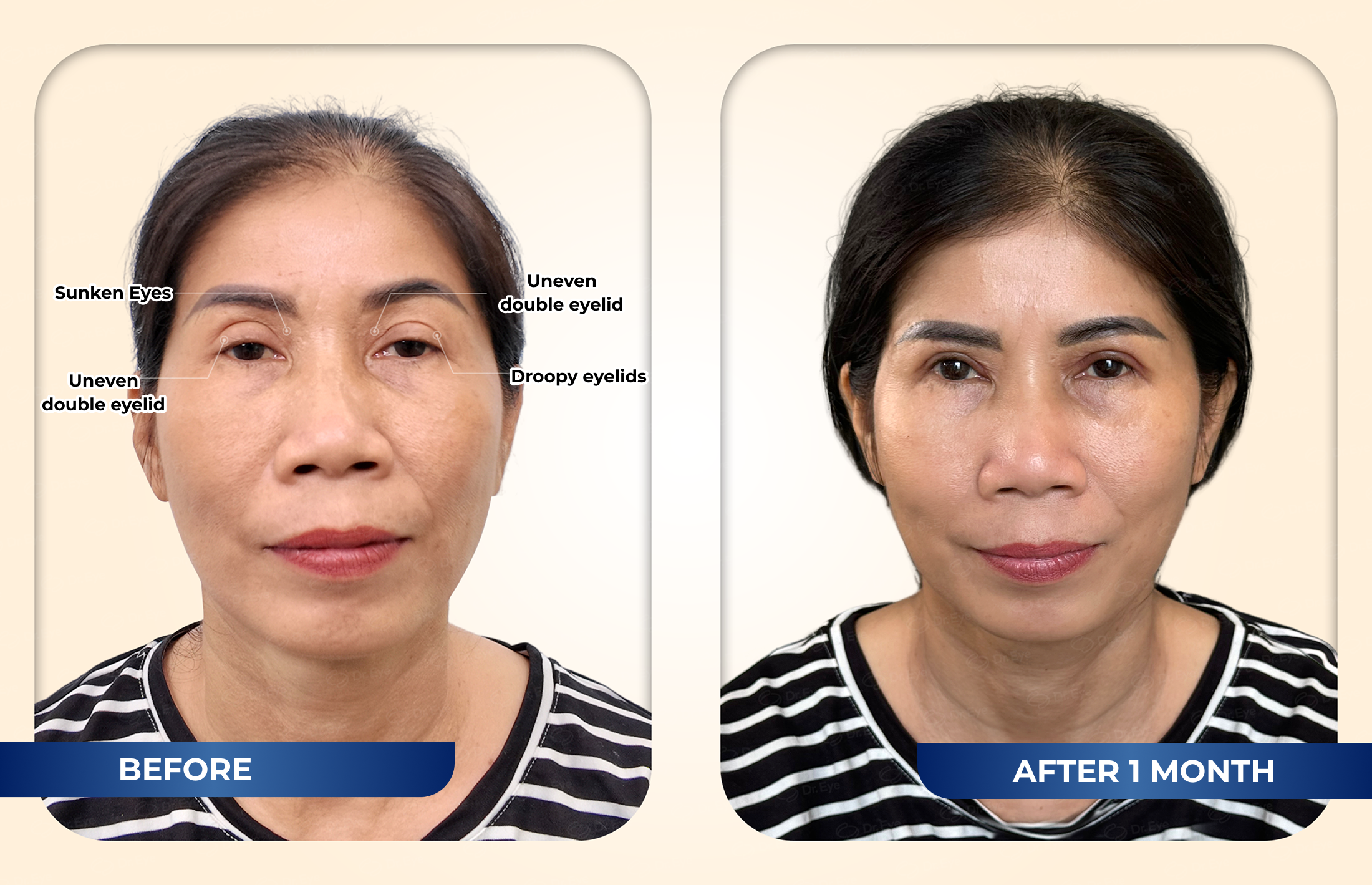
Poorly Defined or Lost Eyelid Crease

This is one of the most common cases of failed eyelid surgery that results in an unclear or lost eyelid crease. As a result, the eyelids on both sides become asymmetrical.
One eye with a single crease, one eye with double creases

Asymmetrical or Lost Crease

Faulty eyelid surgery due to the doctor’s lack of expertise, inaccurate tissue removal can create uneven crease lines, causing one eyelid to appear heavier or completely different from the other.
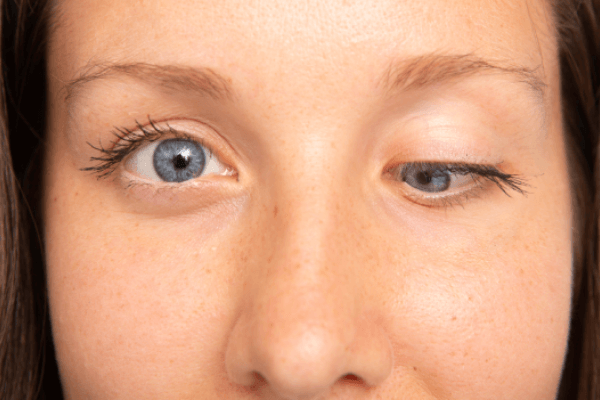
Eyelids turned inside out

Eyelid Retraction (Ectropion/Lagophthalmos)

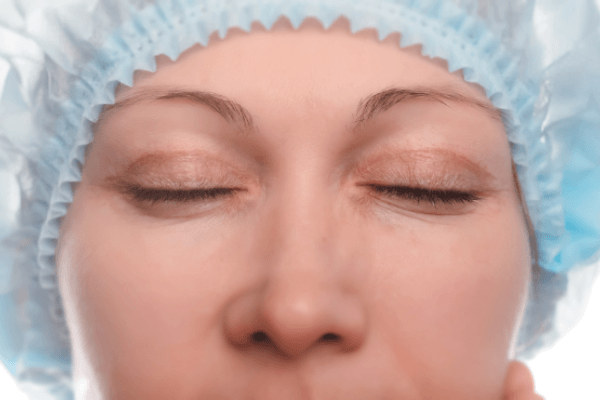
Excess skin excision can pull the eyelid margin into an unnatural position, preventing complete closure and exposing the sclera.
Eyelid surgery too deep, drooping eyelids

Excessive Tissue Removal (Sunken Sockets)

Over-resection of native orbital fat pads leaves behind hollowed, deep-set eye sockets that inadvertently accelerate an aged look.
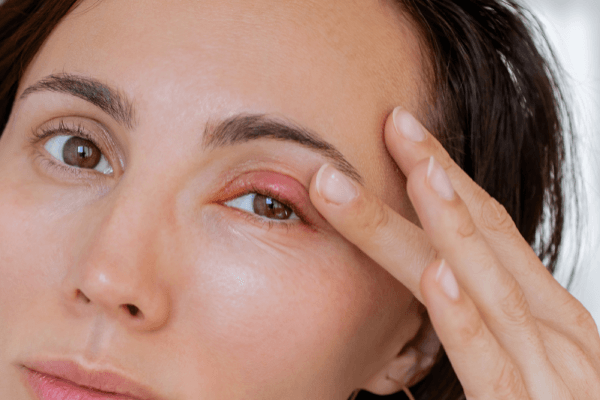
Bruised, swollen, keloid scars

Prolonged Edema and Hypertrophic Scarring

Another common complication of faulty eyelid surgery is keloid scars, swelling, redness, etc. Deficient incisional approaches risk developing thick keloids, structural redness, and chronic discomfort.
Other signs of failed eyelid surgery

Other Signs of Failed Eyelid Surgery

Some other signs of faulty eyelid surgery include bleeding eyes, swollen eyelids, multiple eyelids, etc. As a result, the eyes lose their natural appearance and show visible signs of surgical failure.
Icon Signal Absolute

What Causes Blepharoplasty Complications?

Suboptimal Surgical Technique

Concerns after eyelid surgery are mostly due to the surgeon’s lack of experience. As a result, the surgeon may measure and draw inaccurately, perform the eyelid cutting incorrectly, or remove too much skin, leading to damage in the eyelid area and the eyelid lifting muscle.

Substandard Clinical Environments

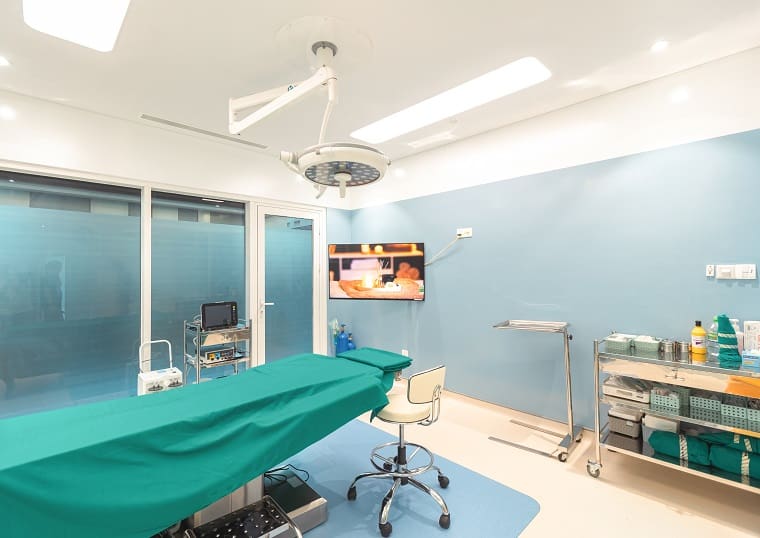
Operating in unaccredited spaces increases risk variables like secondary bacterial infections and severe post-operative swelling.

Improper Post-Operative Care

Deviating from clinical recovery guidelines or experiencing mechanical trauma during the early wound-healing phase can loosen underlying structural sutures.

What Are the Risks of a Failed Blepharoplasty?

1

Asymmetry or an excessively high eyelid crease may create an unnatural appearance.

2

In severe cases, eyelid function may be affected, resulting in eye irritation or exposure-related symptoms.

3

Eyelids that are cut too deeply can cause discomfort and may even prevent the eyelid from closing properly.

4

Injury to the levator muscle may contribute to postoperative ptosis.

5

Individuals with unsuccessful lower eyelid surgery may experience widening wounds that result in scarring and pulling of the eyelid.

What Are the Risks of a Failed Blepharoplasty?

Solutions for Concerns After Previous Eyelid Surgery

In most cases of unsuccessful eyelid surgery, clients should wait 3 to 6 months for the stitches to heal completely before considering any new interventions.

It’s important not to rush into corrections or undergo multiple procedures, as the eyelid muscles may be very weak. If eyelid correction is performed too soon, it can lead to fibrous tissue formation, complicating dissection and thorough rectification.

Before deciding to undergo eyelid revision surgery, clients should thoroughly research Accredited surgical centers with a team of skilled and experienced doctors to ensure safety and effectiveness during the procedure.

Currently, Dr. Eye is a specialized and comprehensive eye rejuvenation center that has successfully addressed cases of unsuccessful eyelid surgery, ranging from mild to severe.

Eyelid Revision Surgery

Dr. Eye provides specialized eyelid correction services, personalized according to each patient’s condition. Experienced doctors offer honest consultations based on the principle of minimally invasive procedures, ensuring safety and lasting results.

Where Should You Seek Reliable Eyelid Revision?

Dr. Eye specializes in advanced oculoplastic revision therapies, restoring balance through precise diagnostic analysis and individualized reconstructive care.

Comprehensive Periocular Specialization

Our surgical interventions resolve complex structural issues, from deep hollows to asymmetric positioning.

Evidence-Based Assessments

Treatment strategies leverage validated clinical protocols to safely secure predictable, natural-looking revisions.

Personalized Treatment Planning

Clients can rest assured that treatment at Dr. Eye will always yield beautiful results as expected. This is because Dr. Eye's doctors always pre-operative architectural planning for clients to see and visualize the results.

Individualized Treatment Approaches with a Focus on Safety

Dr. Eye advises on choosing treatment methods that minimize intervention along with advanced aesthetic technologies, ensuring safety - achieving maximum effectiveness.

Where Should You Seek Reliable Eyelid Revision?
Dr. Eye specializes in advanced oculoplastic revision therapies, restoring balance through precise diagnostic analysis and individualized reconstructive care.

Client Story

Eyelid Revision Treatment Fees

Procedure Investment (VND)
Eyelid Revision Surgery 12.000.000 – 30.000.000
(Based on eyelid condition)

Register for a doctor consultation

Understanding the desire to preserve the youthful beauty of the eyes for middle-aged women, Dr. Eye offers modern solutions to address all aging issues around the eyes such as sagging eyelids, eye bags, crow’s feet,…

How to Optimize Recovery After Revision Surgery

To secure ideal revision healing and avoid secondary complications, patients should maintain these essential protocols:

  • 1. Select fully accredited surgical centers directed by experienced oculoplastic surgeons.

  • 2. Apply targeted cold compresses during the initial 48 hours to minimize swelling and protect delicate suture structures.

  • 3. Strictly avoid inflammatory food groups, smoking, and alcohol for 3 to 4 weeks post-procedure.

  • 4. Protect your eyes from UV exposure with polarized sunglasses and refrain from rubbing the periocular area.

  • 5. Get enough sleep and increase fruit and vegetable intake to absorb nutrients for faster wound recovery.

The above are answers regarding the issue of concerns after previous eyelid surgery along with related information. Eyelid issues after eyelid surgery are less likely to occur if you choose a reliable cosmetic clinic with experience in comprehensive and specialized treatment, as well as follow a scientific post-operative care regimen.