Dark Circles

Dark Circles: Causes and Treatment Options


(Medically Reviewed by Dr. Nguyen Thi Ly Na)

If under-eye dark circles are making you look constantly fatigued or older than your actual age, you are not alone. The skin around the periorbital area is significantly thinner and more delicate than the rest of the face, making it highly susceptible to premature aging and discoloration. Understanding the specific root cause of your dark circles is the critical first step toward an effective, long-lasting solution.

What Do Different Types of Under-Eye Dark Circles Look Like?

The skin around the eyes, particularly the skin under the eyes, is thinner than that of other facial areas. As a result, it is more prone to damage, leading to various issues, especially the development of dark circles.

Dark circles are identified when the skin beneath the eyelids appears dark, which can range from blue, purple, brown, to black, depending on your natural skin tone. Dark circles under the eyes can make the face appear tired or older than its actual age.

Clinically, dark circles are categorized into four primary types:

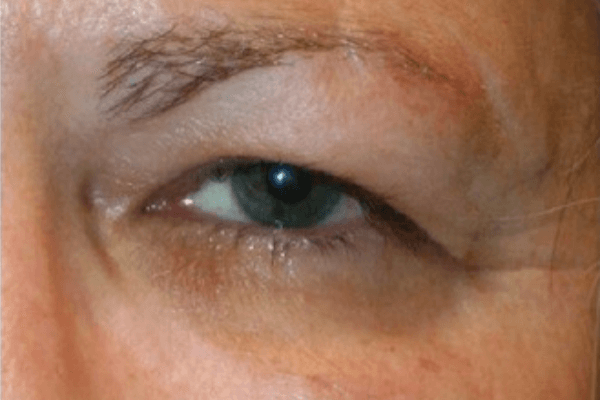
Pigmented dark circles (Pigmented - P)

Pigmented Dark Circles (Type P)

Typically appearing as brown or dark patches, this type is driven by melanin overproduction and is frequently associated with sun exposure, freckles, or melasma.
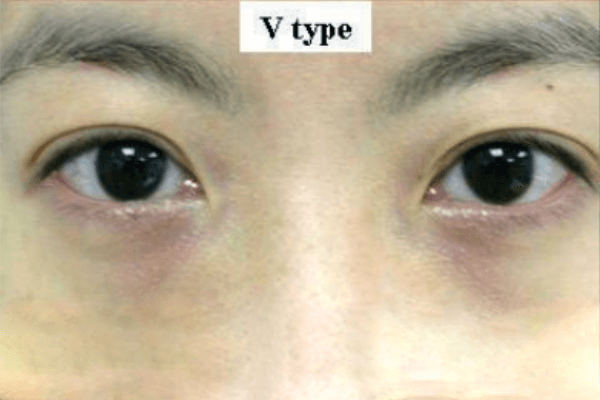
Vascular dark circles (Vascular- V)

Vascular Dark Circles (Type V)

Characterized by a distinct pink, blue, or bluish-purple hue, these are caused by prominent or dilated blood vessels underneath the thin eyelid skin, often appearing without swelling.
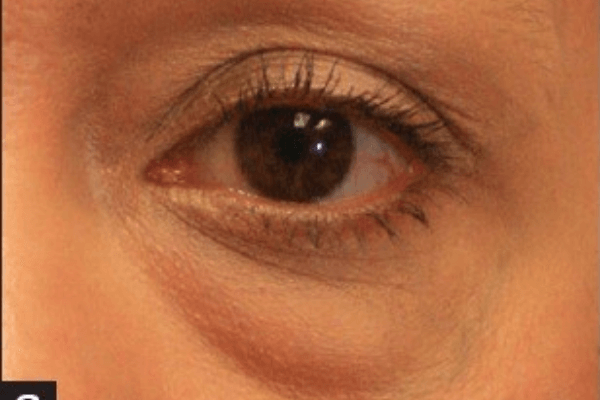
Structural dark circles (Structural - S)

Structural Dark Circles (Type S)

These occur due to age-related volume loss and orbital fat atrophy. This structural shift creates hollows in the tear trough area, casting deep shadows that worsen under overhead lighting.
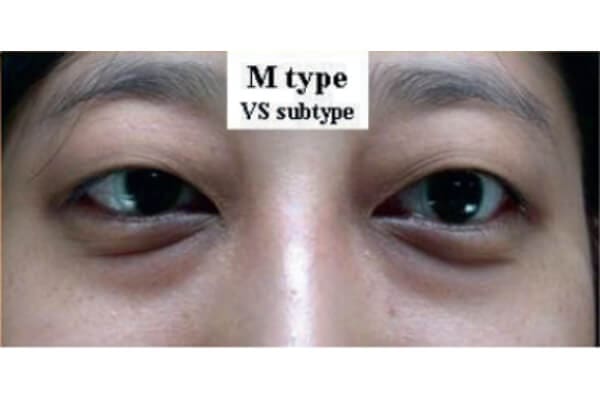
Mixed dark circles (Mixed - M)

Mixed Dark Circles (Type M)

A highly common presentation involving a combination of two or more factors, such as overlapping pigmentation issues, vascular prominence, and structural hollowing.
Icon Signal Absolute

Risk Factors and Causes of Dark Circles

The Natural Aging Process

As we age, collagen and elastin production declines, while the sub-dermal fat pad diminishes. This thinning process leaves underlying blood vessels more visible and deepens the tear troughs.

Genetic and Congenital Predisposition

Hereditary factors heavily influence skin thickness and vascular structure around the eyes. Individuals with a genetic predisposition may suffer from poor microcirculation, making the under-eye area appear naturally darker.

UV Radiation and Sun Exposure

Chronic sun exposure triggers excess melanin production as a defense mechanism, leading to hyperpigmentation in the delicate periorbital skin.

Fatigue and Sleep Deprivation

Lack of sleep increases systemic cortisol production, causing blood vessels to dilate and pool. Due to the extreme thinness of the lower eyelid skin, this expanded vascular network creates a dark, bluish shadow.

Dietary and Lifestyle Factors

Diets high in sodium trigger fluid retention, exacerbating under-eye puffiness and shadows. Deficiencies in vital micronutrients (Vitamins A, C, K, and E) can also compromise skin density and vascular health.

Secondary Medical Conditions

Chronic conditions like atopic dermatitis, allergies (allergic shiners), asthma, or systemic issues can lead to persistent eye rubbing and subsequent post-inflammatory hyperpigmentation.

How Do Under-Eye Dark Circles Affect Your Appearance?

1

While dark circles are rarely a medical emergency, they significantly impact facial aesthetics. Deep periorbital shadows break the smooth light reflection of the face, detracting from the natural vibrancy of your eyes and projecting a chronically tired, stressed, or prematurely aged look.

How Do Under-Eye Dark Circles Affect Your Appearance?

Advanced Medical Solutions for Under-Eye Dark Circles

An effective treatment plan requires an accurate clinical diagnosis of the primary cause. Dr. Eye offers targeted, multi-modal therapies tailored to each classification:

Targeting Pigmented Dark Circles

Skin aging and environmental changes, especially excessive exposure to sunlight, can cause the skin under the eyelids to produce more melanin, leading to darkening and the formation of dark circles.

At that time, you can consider the following remedies for Pigmented Dark Circles: using skin-lightening creams for the eye area (containing active ingredients like Tretinoin, Hydroquinone, Kojic acid, etc.), chemical peels, and utilizing technology (IPL) or laser treatments. With these methods, you should also combine home skincare to achieve maximum effectiveness.
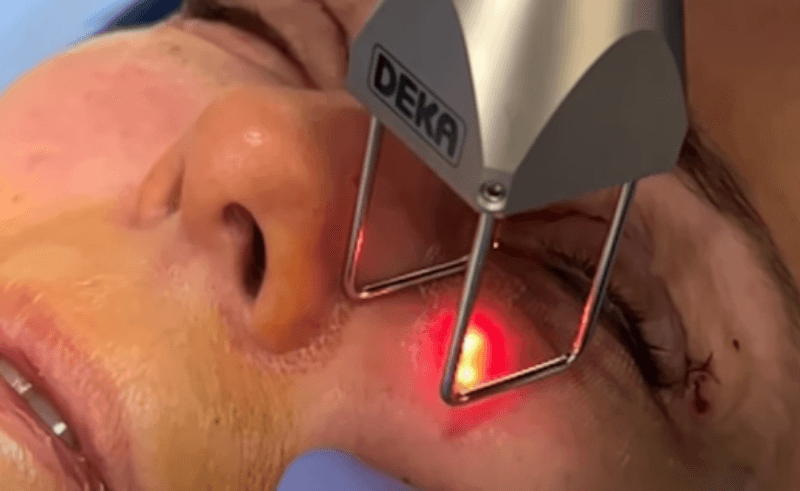
Laser treatment for pigmentation of the lower eyelid, effectively improving dark circles.

Targeting Vascular Dark Circles

Due to certain factors (such as dermatitis, insomnia, or rubbing the eyes), the blood vessels under the eyes can dilate and become visible through the skin, leading to darkening. At that time, you can apply topical or injectable active ingredients (vitamin K, extract from Ginkgo biloba, etc.), and use IPL laser technology or PDL as directed by the doctor.

Persistently applying eye cream containing vitamin K can help reduce dark circles.

Targeting Structural or Tear Trough-Related Dark Circles

As one ages, facial fat can sag and decrease in volume, causing the ligaments attached to the bones to create hollows in the tear trough and eye socket. Accordingly, these hollows can cause shadowing, making the dark circles under the eyes more pronounced due to light from above.

To remedy this situation, the following treatment measures can be taken: HA (Hyaluronic Acid) fillers and eyelid surgery (lower eyelid surgery through the conjunctival route or through an external incision, depending on the doctor’s instructions).

Treatment of dark circles under the eyes through external incision eyelid surgery, addressing signs of aging in middle age (including dark circles, bags of fat, tear troughs, and excess skin).

Thus, to establish an effective treatment plan for dark circles, it is important to accurately diagnose the cause from the beginning. Therefore, you need to seek reputable cosmetic facilities, where there are skilled doctors with in-depth knowledge of the skin around the eyes to examine, diagnose, and treat correctly.

Why Choose Dr. Eye for Advanced Under-Eye Rejuvenation?

Dr. Eye proudly stands as the premier specialized center dedicated exclusively to eye rejuvenation, addressing the unique aesthetic and anti-aging needs of the delicate periorbital area for patients seeking long-lasting, refreshed results.

Evidence-Based, Honest Consultations

very treatment roadmap at Dr. Eye is grounded in clinical science and comprehensive diagnostic analysis of periorbital aging.

Bespoke Treatment Mapping

Our specialists customize non-surgical and surgical modalities to harmonize naturally with your unique facial anatomy.

In-Depth & Comprehensive Eye Area Treatment

All procedures are performed exclusively by 100% board-certified physicians possessing over 5 years of dedicated experience in ocular aesthetics.

Minimal Intervention, Maximum Safety

We prioritize tissue-preserving, minimally invasive techniques to deliver exceptional results with minimized downtime.

International 5-Star Medical Standards

Operating under stringent sterile protocols, Dr. Eye utilizes premium FDA-approved products and provides dedicated, round-the-clock patient support.

Why Choose Dr. Eye for Advanced Under-Eye Rejuvenation?
Dr. Eye proudly stands as the premier specialized center dedicated exclusively to eye rejuvenation, addressing the unique aesthetic and anti-aging needs of the delicate periorbital area for patients seeking long-lasting, refreshed results.

Client Story

Service Price List

Procedure Investment (VND)
Radiofrequency (RF) Eye Contour Therapy 700.000
Nutrient Skin Boosters 2.500.000 – 5.000.000
Tear Trough Fillers 12.000.000/1cc
(Juvederm)
10.000.000/1cc
(Restylane)
Intensive Periorbital Care & Relaxation Therapy 1.500.000

Register for a doctor consultation

Understanding the desire to preserve the youthful beauty of the eyes for middle-aged women, Dr. Eye offers modern solutions to address all aging issues around the eyes such as sagging eyelids, eye bags, crow’s feet,…

How to Prevent Dark Circles

To maintain a bright, refreshed eye area, integrate the following daily habits:

  • 1. Broad-Spectrum UV Protection: Wear UV-blocking sunglasses and apply dedicated, eye-safe sunscreen daily.

  • 2. Ensure 7–8 hours of quality sleep and maintain regular physical activity to support optimal blood circulation.

  • 3. Minimize Physical Friction: Avoid rubbing the delicate eye area to prevent mechanical trauma, lines, and post-inflammatory darkening.

  • 4. Targeted Nutritional Intake: Maintain a balanced diet rich in essential vitamins (especially Vitamins A, C, and E) and stay well-hydrated to support skin elasticity from within.

The article above provides information to help women clearly recognize dark circles and have timely solutions to address them. Dr. Eye is here to support women in improving eyelid concerns around the eyes, so that every day can be enjoyed with bright eyes. Contact us now for a detailed consultation!