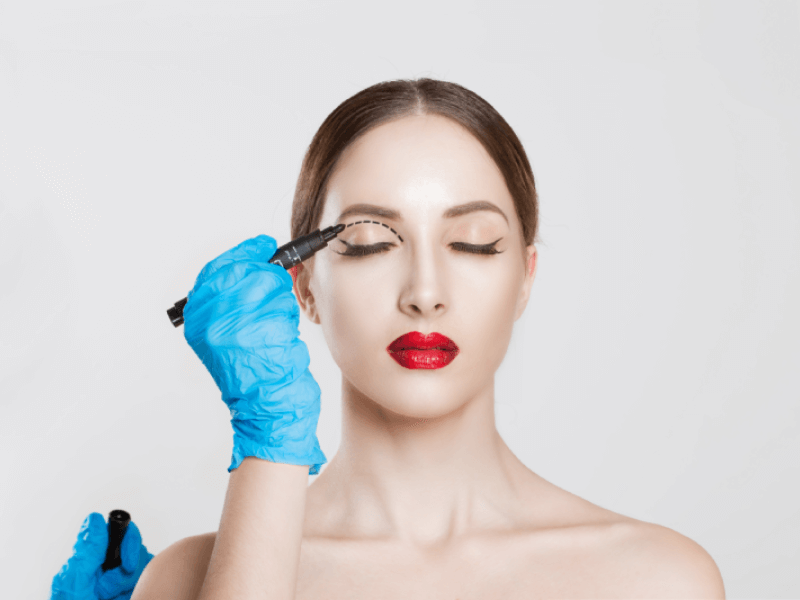

“Upper-eyelid rejuvenation is not a single procedure. A heavy, full, or hollow-looking upper eyelid may be caused by excess skin, brow descent, true eyelid ptosis, prominent orbital fat, soft-tissue volume deficiency, or a combination of these factors.
Excess upper-eyelid skin and true ptosis are different conditions. Excess skin may fold over the eyelid crease or lashes, whereas ptosis occurs when the upper-eyelid margin sits lower than expected because of dysfunction of the eyelid-elevating mechanism. Brow descent may also shift tissue toward the upper eyelid and contribute to the appearance of heaviness.
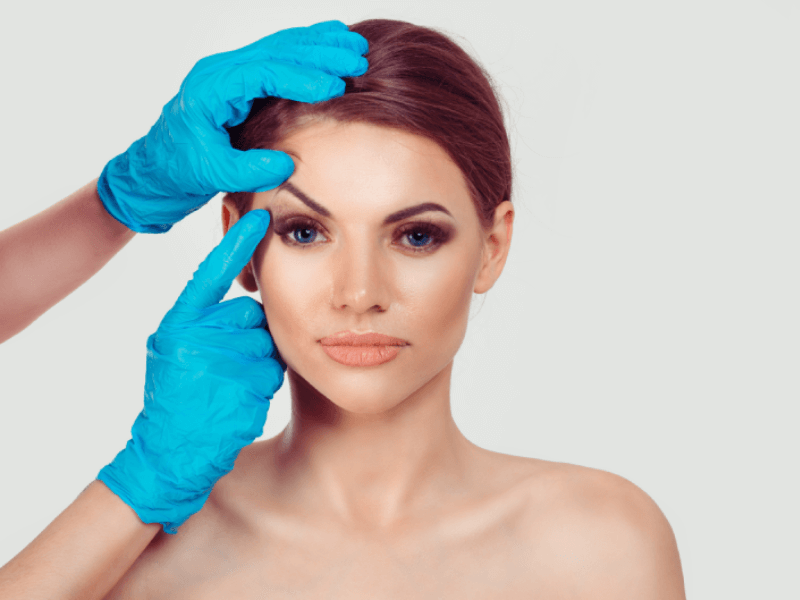
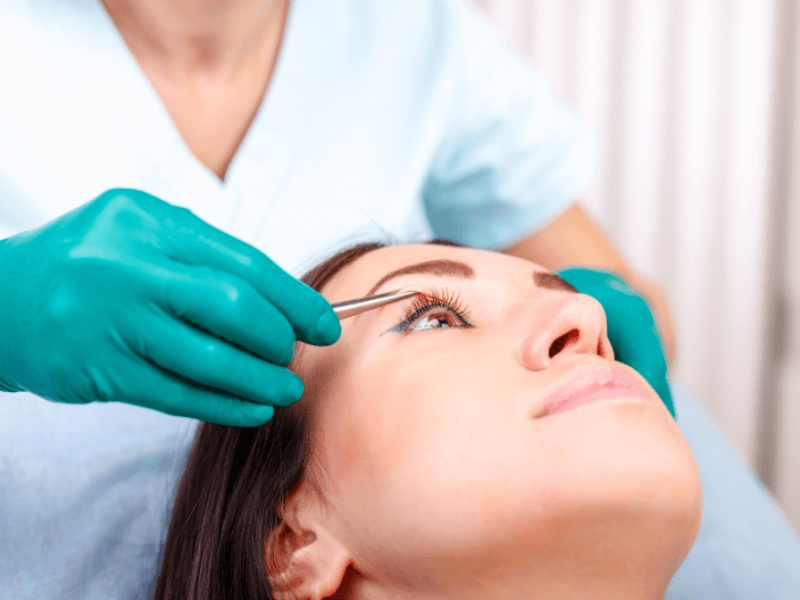
Before recommending treatment, the doctor should assess brow position, frontalis compensation, upper-eyelid skin, the existing crease, eyelid-margin position, levator function, orbital-fat distribution, upper-eyelid volume, eye closure, ocular-surface health, and pre-existing asymmetry.
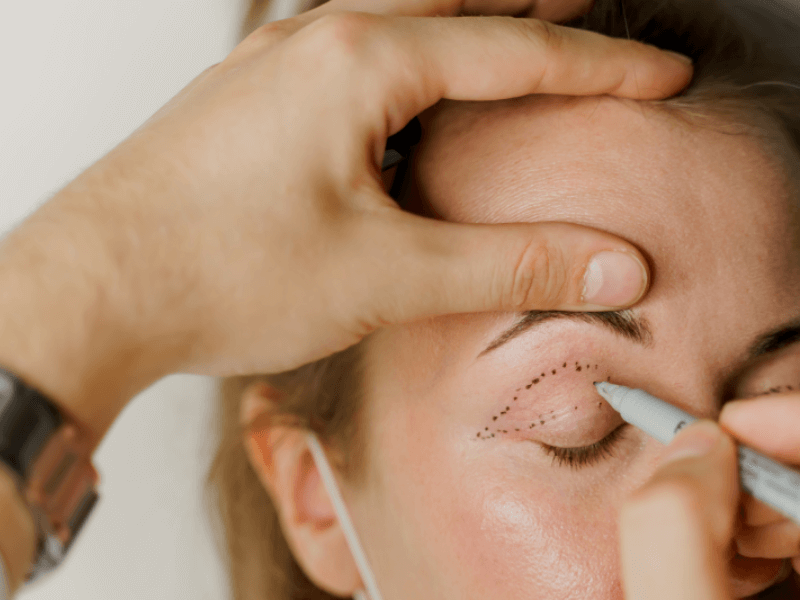
Treatment should be directed at the anatomical structure responsible for the concern. Conservative upper blepharoplasty may be considered when excess skin is the primary concern. A subbrow skin procedure primarily addresses excess skin below the eyebrow and does not automatically elevate the eyebrow. Significant brow descent and true eyelid ptosis require separate assessment and may require different procedures.
Upper-eyelid fullness should not automatically be treated by removing fat. Skin thickness, muscle volume, swelling, brow position, and soft-tissue anatomy may also contribute. When fat adjustment is appropriate, tissue removal should be conservative because excessive removal can create or worsen upper-eyelid hollowing.
Autologous fat grafting may be considered when meaningful volume deficiency is present. Some of the transferred fat may be resorbed, and the final retained volume cannot be predicted precisely. Swelling, contour irregularity, lumps or nodules, undercorrection, overcorrection, and the need for further treatment may occur.
The goal is not to remove as much skin or fat as possible or to create the same eyelid shape for every patient. An appropriately conservative plan should address the specific concern while preserving natural upper-eyelid volume, comfortable eye closure, ocular-surface health, and the patient’s individual facial characteristics.”
Dr. Nguyen Thi Ly Na, Senior Specialist