

Can I eat sausage after eyelid surgery? How long until I can eat again?
Can I eat sausage after upper eyelid surgery? is a question many people are curious about, as this is a delicious and appealing food. This article will help you answer this question in detail along with some specific notes on building a nutrition plan after upper eyelid surgery.
1. Answer: Can I eat sausage after upper eyelid surgery?
Sausage is quite a tasty dish; however, this food contains many additives, spices, and is often cooked with a lot of oil, which is not good for the body, especially for those who have undergone upper eyelid surgery. Therefore, after upper eyelid surgery, clients should avoid eating sausage because:
- May cause swelling, redness, infection, and slow healing: Sausage contains a lot of fat and calories, which can lead to inflammatory reactions in the body, slowing down collagen regeneration and affecting the healing process.
- Affects digestion: Sausage contains a lot of salt and additives, which can impact metabolism and digestion in the body. This can lead to many people experiencing bloating, abdominal discomfort, and indigestion after eating sausage, affecting nutrient absorption and prolonging wound healing.
- May cause allergic reactions to antibiotics: The amino acid tyramine found in sausage may interact with pain relief and anti-inflammatory medications prescribed by doctors, altering their effectiveness.changes the substances in the medication. This can affect the wound and increase the risk of complications.
- Reduced appetite: After eating sausage, you may find that you no longer have an appetite for other dishes, as the additives, colorings, and flavorings in the food can affect your perception. This, in turn, impacts the absorption of essential nutrients for your body.
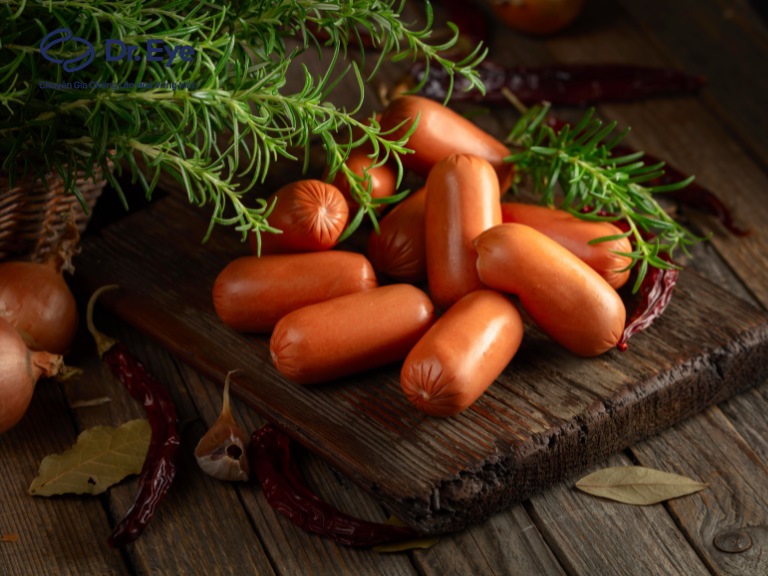

2. How long should you avoid eating sausage after eyelid surgery?
You should avoid sausage for 2 to 4 weeks, depending on your wound healing ability, body type, and individual care after eyelid surgery. For those with sensitive skin, who are prone to keloids, or have a history of allergies to any ingredients in sausage, it is advisable to avoid it for a longer period to ensure safety.
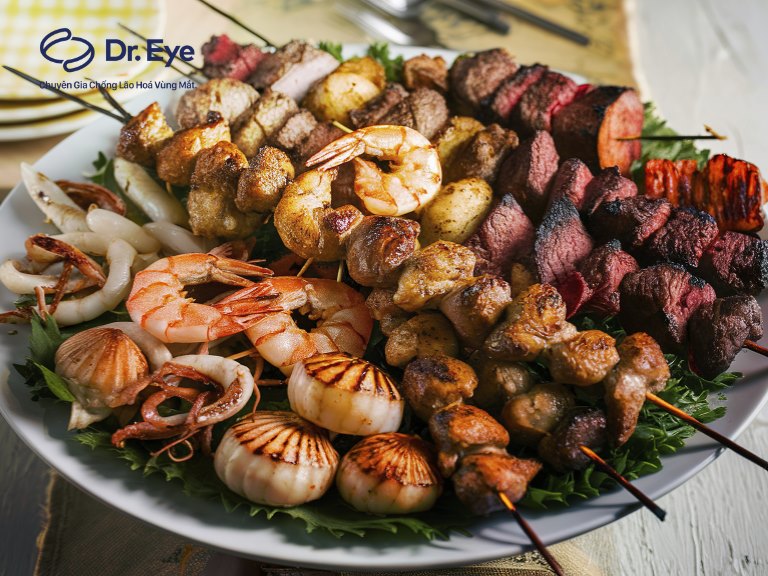
3. Besides sausage, what else should you avoid for quicker healing of the eyelid incision?
Seafood, beef, greasy foods, and sticky rice are among the foods you should avoid after eyelid surgery, specifically as follows:
- FoodsHigh-fat, spicy foods: These types of foods contain unhealthy fats and calories that can increase inflammatory responses, leading to slower healing of wounds. Spicy foods can also cause discomfort and irritation at the wound site. Some high-fat, spicy dishes you should limit after upper eyelid surgery include spicy noodles, fried chicken, and French fries,…
- Seafood: Contains high levels of protein and histamine that can cause irritation, pain, and itching in the wound area, prolonging the recovery process. Seafood such as crab, snails, shrimp, and fish should be avoided after upper eyelid surgery.
- Beef: May cause bruising and keloid scarring at the incision site due to the presence of amino acids like Glycine, Proline, and Hydroxyproline. Therefore, it is advisable to avoid beef for about 4 weeks or longer after upper eyelid surgery, depending on the recovery status of the eyelid crease.
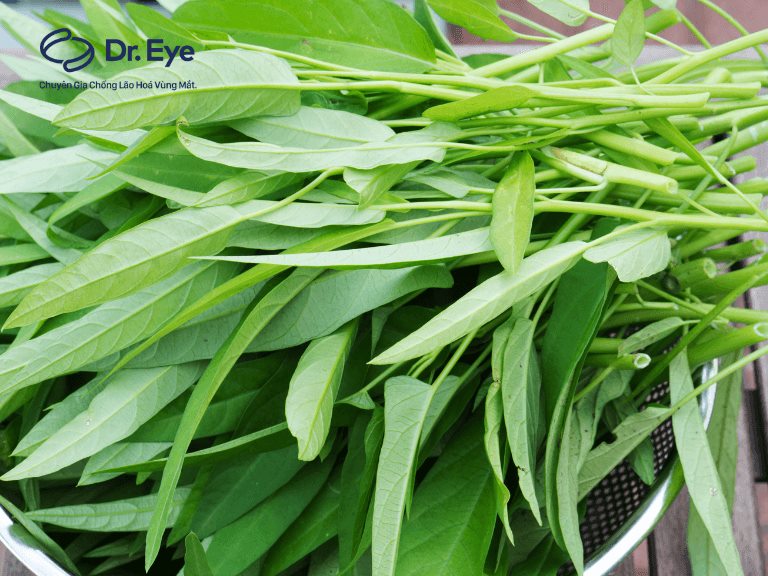
- Water spinach: Can lead to excessive collagen production, which may result in keloid scarring of the eyelid crease, affecting the aesthetic appearance of the eyes.
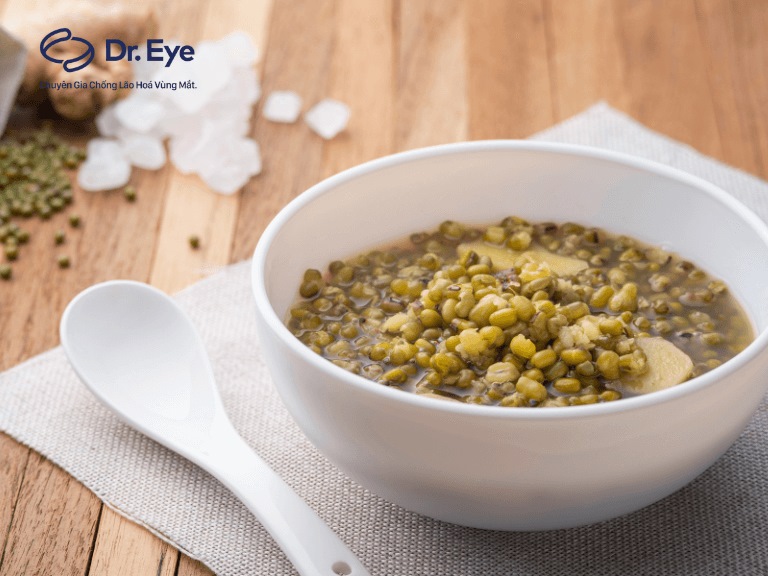
- Sticky rice dishes: Such as sticky rice, Banh Chung, and sweet soups,… can also promote excessive collagen production in the wound area, increasing the risk of keloid scarring of the eyelid crease.
- Stimulants and alcoholic beverages: Can lead to increased water retention at the wound site.inflammation, causing swelling, redness, and pus, which can affect the healing process.
Instead, clients should incorporate more nutritious foods that boost the immune system and support quick healing, such as green vegetables, various fruits, pumpkin, carrots, beans, and seeds. Additionally, it is advisable to consult with a doctor before adding any foods to the diet after eyelid surgery.
4. Tips for Care and Lifestyle After Eyelid Surgery
Here are some notes on wound care after eyelid surgery at home, helping to achieve the desired results and prevent complications:
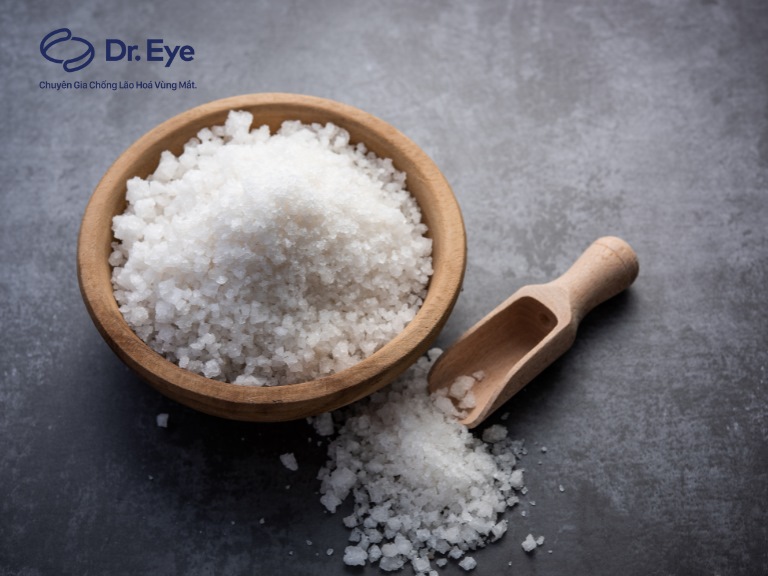
- Clean the wound with saline solution daily.
- Apply cold compresses to reduce swelling in the first 24 hours after eyelid surgery.
- Take medications as prescribed and attend regular follow-up appointments to help the doctor assess the recovery process of the crease. eyelids and promptly address any arising issues if necessary.
- Avoid strong impacts on the wound such as rubbing the eyes, playing sports, or massaging the eyes to prevent affecting the eyelids.
- Drink enough water throughout the day to help detoxify the body, enhance metabolism, and support the healing process.
- Get adequate sleep and avoid excessive eye strain to allow your eyes to rest properly.
- Avoid eye makeup, eyelid tape, or false eyelashes after eyelid surgery as they may affect the recovery of the eyelid crease.
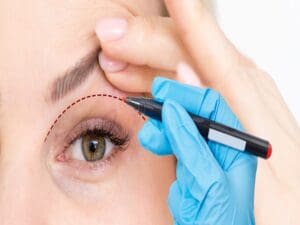
When you undergo eyelid surgery at Dr. Eye, clients do not need to search for information on post-operative care anymore. The doctors will provide detailed guidance on nutrition, lifestyle, and post-operative care, along with recommendations for plasma treatment during follow-up visits to ensure quick healing, even and beautiful creases, and clear eyelid folds.
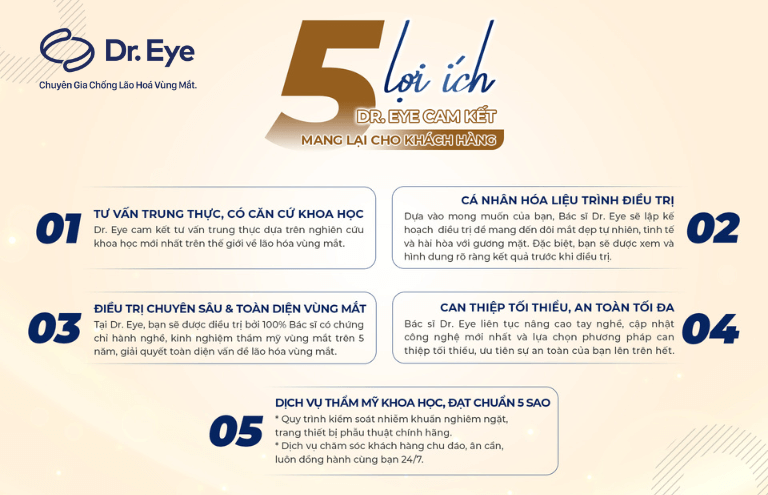
Additionally, Dr. Eye is committed to providing clients with 5 outstanding benefits:
 Above is an image of Ms. Quyen 30 days post-treatment; her eyes look much brighter and more expressive.[/caption]
Schedule an appointment at Dr. Eye today for a consultation with our specialized doctor to effectively and safely address eye-area aging.
Request a callback for consultation
5. Common Questions
Below are some questions that many clients have when learning about the dietary guidelines after upper eyelid surgery:
5.1. Can I eat sweet potato leaves after upper eyelid surgery?
You can eat sweet potato leaves after upper eyelid surgery, as this vegetable contains many antioxidants that help prevent inflammation, protect cells from free radicals, and promote faster healing. Additionally, the vitamins C, E, B, and minerals like Calcium and Iron in sweet potato leaves help the body absorb essential nutrients during recovery.
5.2. Can I eat eggs after upper eyelid surgery?
After upper eyelid surgery, it is advisable to avoid eating eggs. The protein and collagen in eggs may cause the healing skin to appear white, affecting the aesthetic of the eyes. Furthermore, consuming eggs post-surgery may lead to swelling and the formation of raised scars.
5.3. Can I eat duck meat after upper eyelid surgery? not?
After upper eyelid surgery, it is advisable to avoid eating duck. It is known that duck meat contains a high level of protein, which may excessively stimulate collagen production, leading to the formation of hypertrophic scars and compromising aesthetics.

In summary, can you eat sausage after upper eyelid surgery? The answer is NOT RECOMMENDED, and you should avoid this food for about 2 to 4 weeks until the eyelid crease has fully healed. Additionally, it is important to strictly follow the dietary, lifestyle, and care guidelines provided by your doctor to ensure safety and maintain long-lasting aesthetic results.
References
- Dr. Mustafa H. Alibhai. What Foods Cannot Be Eaten After Bariatric Surgery?. 01/15/2023. https://www.novabariatrics.com/what-foods-cannot-be-eaten-after-bariatric-surgery/ (accessed 09/30/2024).
Introduction Dr. Eye
Understanding the desire to preserve the youthful beauty of the eyes for middle-aged women, Dr. Eye offers modern solutions to address all aging issues around the eyes such as sagging eyelids, eye bags, crow’s feet,…


Related articles
![[Frequently Asked Questions] Can I eat sweet potato leaves after upper eyelid surgery?](https://dreye.vn/wp-content/uploads/2024/11/cat-mi-an-rau-lang-duoc-khong-ava.jpg)


 BOOK AN APPOINTMENT


