

What to avoid eating for eyelid surgery recovery and related questions
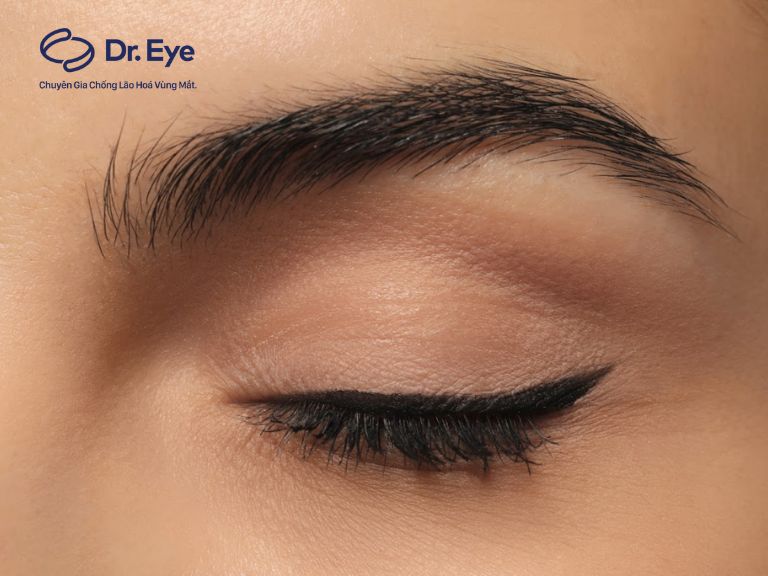
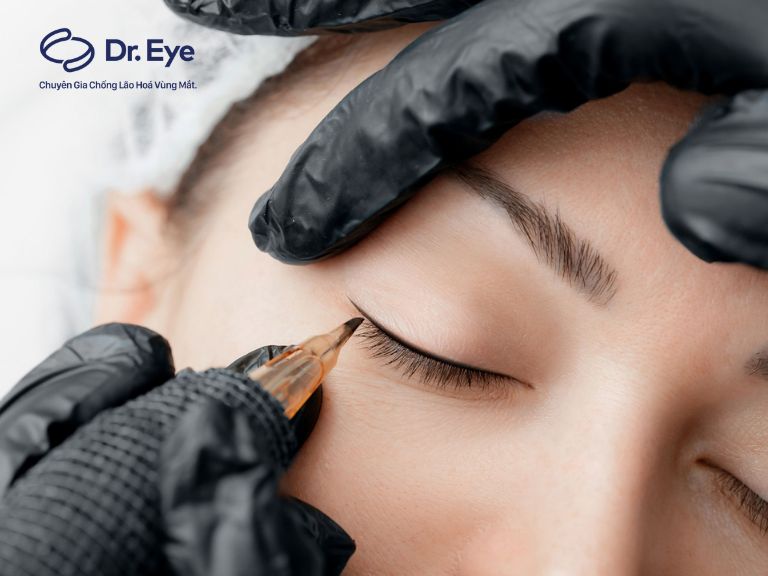
Eyebrow tattooing is a technique that creates clear, sharp eyeliner that helps the eyes have a more attractive depth. However, to achieve the desired beautiful eyebrow tattooing results, women need to have a suitable diet. So, what should you avoid eating after eyebrow tattooing to help the wounds heal quickly? Let’s explore this in the following article.
1. Is it necessary to avoid certain foods after eyebrow tattooing?
The answer is yes. Because even though eyebrow tattooing uses advanced technology to minimize skin damage, it still leaves small wounds. Therefore, avoiding certain foods after eyebrow tattooing is very necessary to prevent complications and bring benefits such as:
- Helps reduce swelling, pain, and tightness in the eyelids.
- Prevents the risk of scarring, infection, and other complications.
- Helps the natural peeling process occur quickly, supporting the eyelids to recover faster.
- Ensures clear eyebrow tattooing results, retains color for a long time, and avoids fading or turning green, red.
2. What should you avoid eating after eyelid tattooing for beautiful and quick recovery?
After eyelid tattooing, you should avoid certain foods such as beef, chicken, squid, sticky rice, water spinach,… The details are as follows:
2.1. Beef
Beef is considered a food with high nutritional value. However, when there is an open wound, eating this type of meat can cause dark scars. Additionally, beef can make the color of the eyelids after tattooing unevenly beautiful.
2.2. Chicken
Eating chicken after eyelid tattooing can cause itching and discomfort at the wound site. Moreover, this type of meat also affects the recovery process of the eyelid skin.
2.3. Squid and other seafood
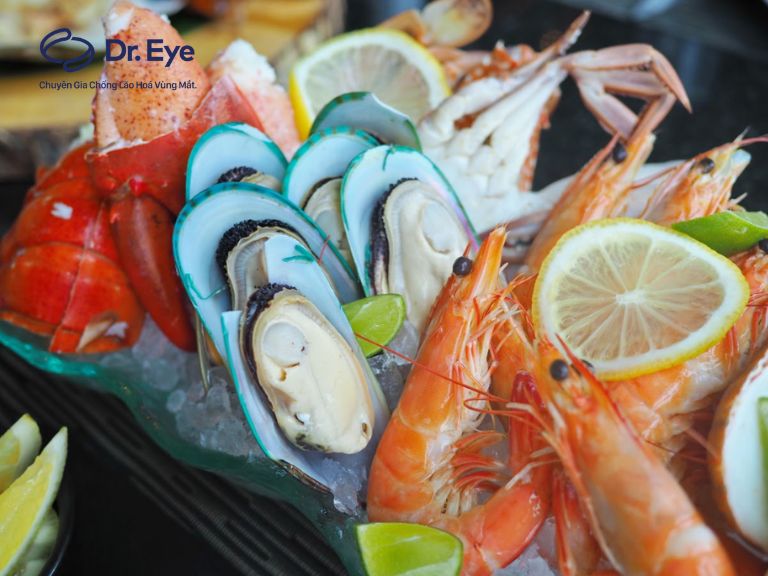
If you are wondering what to avoid eating after eyelid tattooing, do not add squid and other seafood to your daily menu. Eating squid can cause irritation, leading to pus formation, swelling, and an increased risk of scarring. Additionally, seafood such as shrimp, fish, crab,… can create antigens that lead to allergic reactions, rashes, and irritation in the eyelid tattooed area.
2.3. Sticky rice
Eating sticky rice is one of the causes of pus formation at the site of the open wound. Therefore, after eyelid tattooing, you should avoid foods made from sticky rice such as sticky rice, glutinous rice, bánh chưng,…
2.4. Avoid eating too many sweets
If the collagen level is insufficient, it will slow downthe process of wound healing. While sugar is a component that hinders the process of forming new skin and collagen proliferation. Therefore, after getting your eyelids tattooed, you should avoid eating foods high in sugar to help your eyelids heal faster.
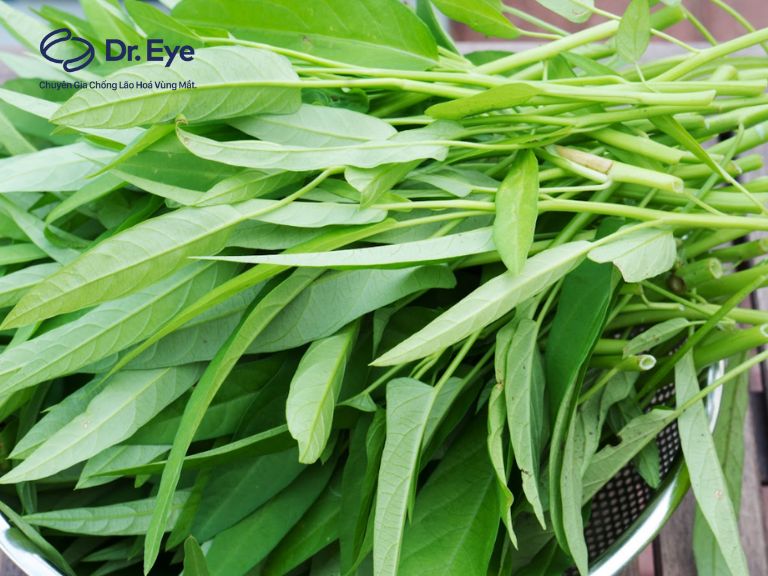
2.5. Avoid eating water spinach and pennywort
Water spinach promotes excessive collagen proliferation. This can cause the eyelid wound to swell and become inflamed, leading to keloids. Additionally, you should also avoid pennywort because this food contains madecassol, which can also cause keloids.
2.6 Avoid spicy and hot foods
Regarding the question what to avoid eating after eyelid tattooing, spicy and hot foods are something you need to pay attention to. Eating too much spicy and hot food can irritate the newly tattooed eyelid area. This is the reason why the wound becomes itchy, prolonging the recovery time.
2.7. Beverages to avoid after eyelid tattooing
To ensure the wound heals well after eyelid tattooing, you should also avoid the following beverages:
- Alcohol: You should avoid drinking alcohol for at least 2 weeks after getting your eyelids tattooed to prevent prolonging swelling and pain.
- Coffee: The caffeine content in coffee can irritate and redden wounds. In addition, the black color of this drink is likely to cause the eyelid edges to discolor.
- Milk tea: Black tea used to make milk tea contains a lot of caffeine that can prolong recovery time and affect the coloring process of the eyelids. Additionally, milk tea also contains a lot of sugar, which is not good for wounds after eyelid tattooing.
3. How long should you avoid eating after eyelid tattooing?
After eyelid tattooing, you should maintain a dietary restriction for about 7 – 14 days. Because the eyelids need time to heal and stabilize to avoid being affected by external factors. At the same time, being cautious in eating also helps the tattooed eyelids achieve the desired sharp color.
4. What if I accidentally eat foods to avoid after eyelid tattooing?
If you accidentally eat a small amount of foods to avoid, it will not affect the results of the eyelid tattooing. In case you eat too many restricted items, you should stop immediately and closely monitor the condition of your eyelids, while drinking plenty of water to flush out harmful components. If the eyelids show abnormal signs such as redness, itching, swelling,… you should see a doctor for examination and solutions.
5. What should you eat after getting eyelash tattooed for better results?
In addition to finding out what to avoid eating after eyelash tattoo, you also need to remember the foods to add to your diet during this period:
- Foods rich in vitamins A, B, C help wounds heal quickly, support beautiful and lasting ink color.
- Green vegetables like broccoli, kale,… are beneficial for recovery after getting eyelash tattooed.
- Drink enough 2-2.5 liters of water each day to enhance metabolism, helping wounds heal faster.
In addition to some dietary changes, you also need to pay attention to your activities:
- Avoid eye makeup like mascara, eyeliner,… because when removing makeup, it may cause the ink layer to peel off.
- Do not let the wound come into contact with water as it may fade the ink layer and create conditions for bacteria to attack.
- You should sleep early to allow your body to rest and help the wound heal quickly.
Above is the content answering the question what to avoid eating after eyelash tattooing. It can be seen that paying attention to and adhering to the dietary restrictions after cosmetic procedures is very important, especially for those with a tendency to allergies. Not only eyelash tattooing, beauty procedures such as eyelid surgery, eyelash lifting,… also need careful care and dietary restrictions to ensure quick healing and avoid complications.
At Dr. Eye, customers after performing beauty procedures on the eye area are always guided by doctors on how to eat and care for their eyelids. If you have any questions, you can always contact Hotline 0899 099 799 for quick assistance from staff.
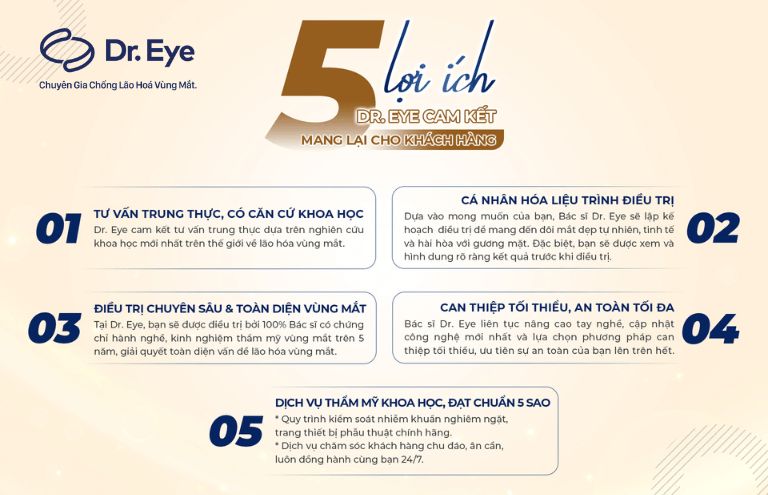
In particular, Dr. Eye’s cosmetic services also have many impressive advantages that help customers have a safe beauty experience, reduce pain, and achieve the desired results:
- Cosmetic doctors have full professional certificates, are trained in formal specialties, and advise on choosing suitable beauty methods for the eye area such as eyelid surgery, eyelash liftingeyelids, lifting (suspending) the eyebrow arch,… helps women achieve naturally beautiful eyelids.
- Spacious facilities with recovery rooms before and after surgery.
- Modern machinery system that helps shorten treatment time and enhance treatment effectiveness.
- Standard medical treatment process, ensuring sterile and aseptic standards.
- FREE plasma beam service during follow-up to help wounds heal quickly and maintain long-lasting results.
Dr. Eye has received many 5-star reviews from customers, proving the quality of the clinic’s services:

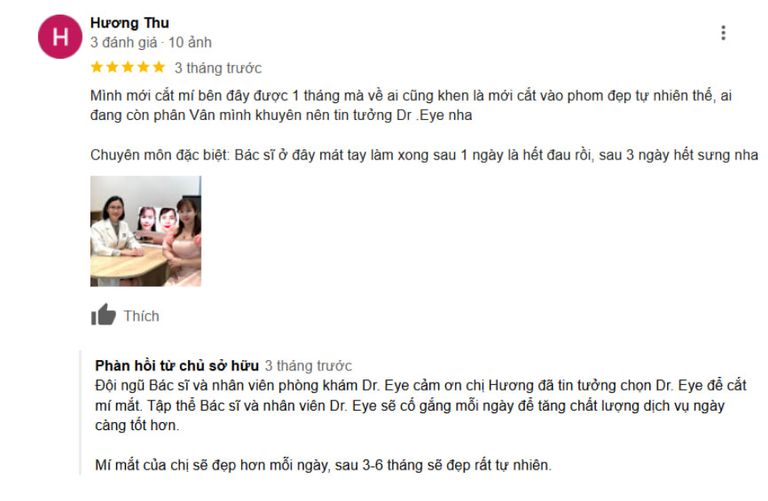
Contact Dr. Eye to beautify the eye area naturally,helps the “window to the soul” of women to be beautiful and youthful once again.
Request a callback for consultation
References
- Conlon Eye Institute. Everything You Need to Know About Eyelid Tattooing. 16 02 2022. https://conloneyeinstitute.com/everything-you-need-to-know-about-eyelid-tattooing/. (Accessed 06 03 2025).
- Beauty Bar. Permanent eyeliner aftercare. https://www.beauty-bar.co.uk/how-to-look-after-your-semi-permanent-eyeliner-tattoo/. (Accessed 06 03 2025).
Introduction Dr. Eye
Understanding the desire to preserve the youthful beauty of the eyes for middle-aged women, Dr. Eye offers modern solutions to address all aging issues around the eyes such as sagging eyelids, eye bags, crow’s feet,…


Related articles



 BOOK AN APPOINTMENT


