

Can I take vitamin E after upper eyelid surgery? What should I keep in mind for faster healing?
After upper eyelid surgery, the care and supplementation of nutrients for quick healing is a concern for most women. Among these, can vitamin E be taken after upper eyelid surgery? is a question that Dr. Eye Clinic has received quite frequently recently. In the following article, we invite women to explore the answer to this question!
1. Can vitamin E be taken after upper eyelid surgery?
Although vitamin E is a dietary supplement that offers many health benefits, such as promoting quick healing and providing antioxidant support, which may help reduce the appearance of skin aging signs, using vitamin E after upper eyelid surgery may reduce the effectiveness of certain prescribed antibiotics and pain relievers.
Additionally, taking vitamin E can lead to some conditions such as:
- It may increase the risk of bruising and swelling around the eyelids, causing irritation that makes healing more difficult.
- Vitamin E may thin the blood, complicating the clotting process and increasing the risk of excessive bleeding after surgery. Therefore, this can prolong the healing time and affect aesthetic results.
- Excessive vitamin E supplementation can also cause some side effects such as dizziness
face, nausea, headache, diarrhea,…
Additionally, clients should avoid taking vitamin E one week prior to upper eyelid surgery. This is because it may slow down the blood clotting process and lead to complications during the procedure.
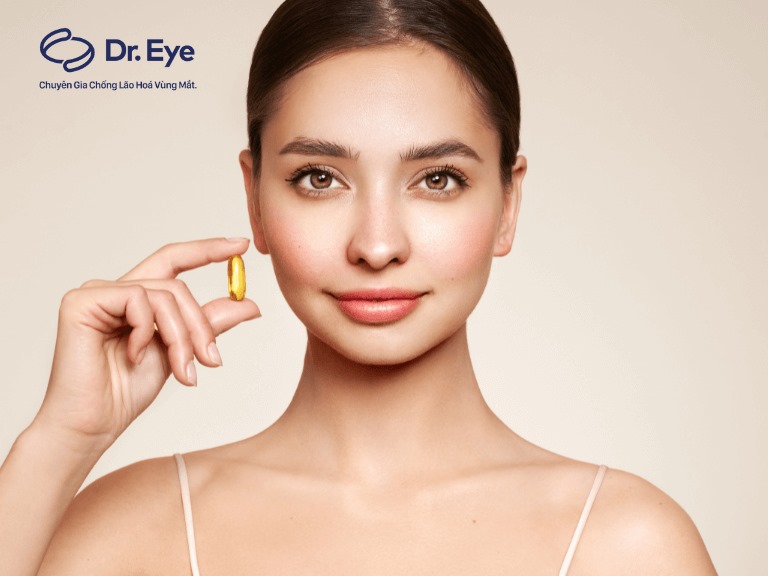

2. When can clients take vitamin E after upper eyelid surgery?
After upper eyelid surgery, clients should wait until the wound has fully healed before taking vitamin E. Typically, a period of 3 to 4 weeks is recommended. However, for those with sensitive skin or slower healing, it may be necessary to wait 5 to 6 weeks.
To determine the specific timeframe for taking vitamin E after upper eyelid surgery, clients should consult with their surgeon.
To help clients address concerns about dietary restrictions after upper eyelid surgery, Dr. Eye provides detailed guidance and specific advice on diet and lifestyle (including what to eat, what to avoid, and specific duration of restrictions,…). Additionally, the doctor will provide careful at-home care instructions to promote faster healing of the wound.
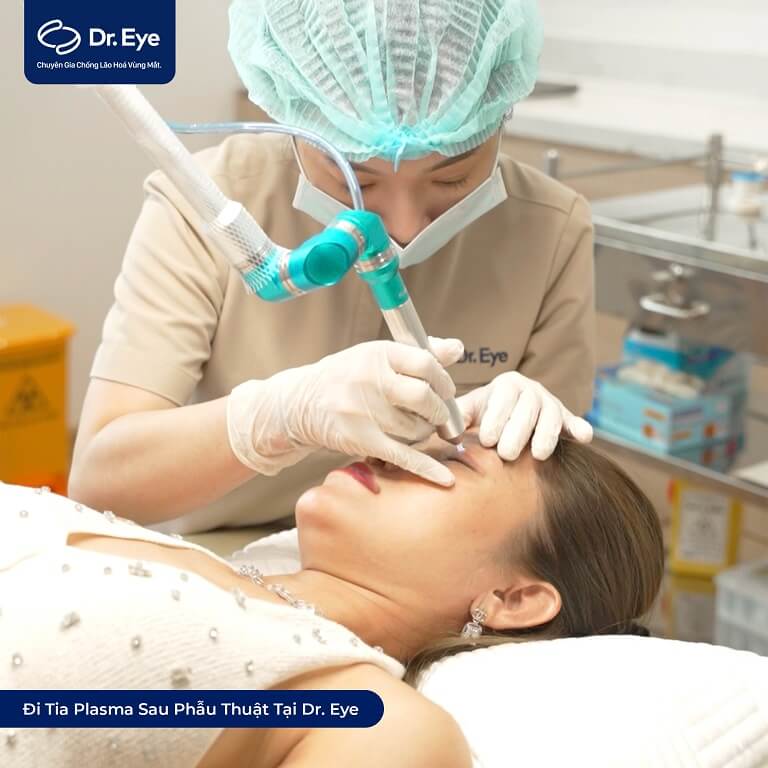
In particular, during follow-up visits, clients will receive Plasma therapy.free, helps accelerate the healing process, limits infection, and prevents unsightly scars. Additionally, Plasma treatment also cleanses and disinfects the wound area; while effectively helping to reduce pain, swelling, and inflammation after surgery.
Many clients who underwent eyelid surgery at Dr. Eye have achieved very satisfactory results by following the doctor’s post-operative instructions. Below are the genuine shares from Ms. Tú Quyên and Thùy Giang.
– Ms. Tú Quyên:
Having previously consulted and made a deposit for eyelid surgery at a cosmetic facility, Ms. Tú Quyên ultimately decided not to proceed as she did not feel a sense of trust. However, upon visiting Dr. Eye for a consultation, she felt the doctor’s high level of expertise and honest explanations regarding her eyelid concerns, which led her to commit to treatment at Dr. Eye.
After 7 days of treatment, her eye area was no longer swollen and had minimal bruising. One month later, her eyes, which had ptosis, uneven eyelid creases, and a hollow, lifeless appearance, were transformed into brighter, more vibrant eyes.
Thanks to following the doctor’s instructions, after just 7 days of treatment, Ms. Giang’s eye area had only slight swelling, and the eyelid shape was gradually improving.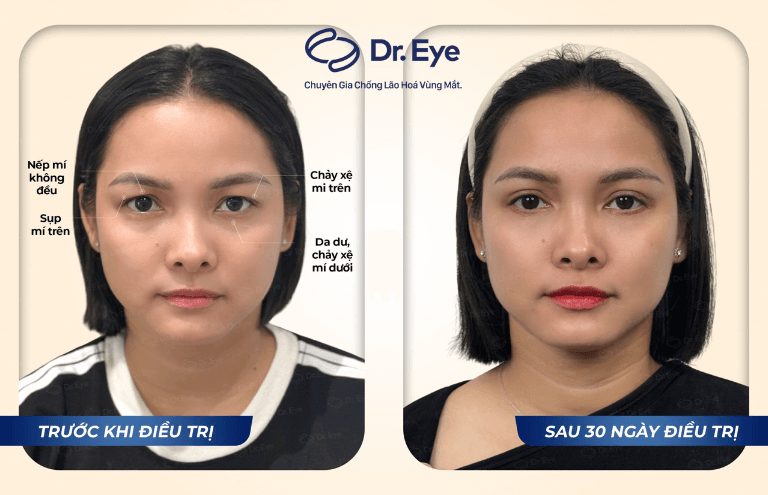
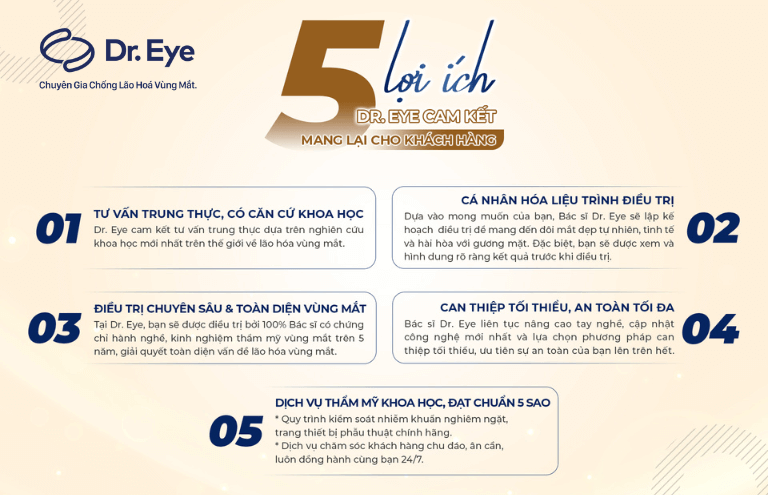
In addition, when undergoing eyelid surgery at Dr. Eye – the FIRST center specializing in comprehensive anti-aging treatments for the eye area for middle-aged women, clients can always be assured of receiving 5 benefits:
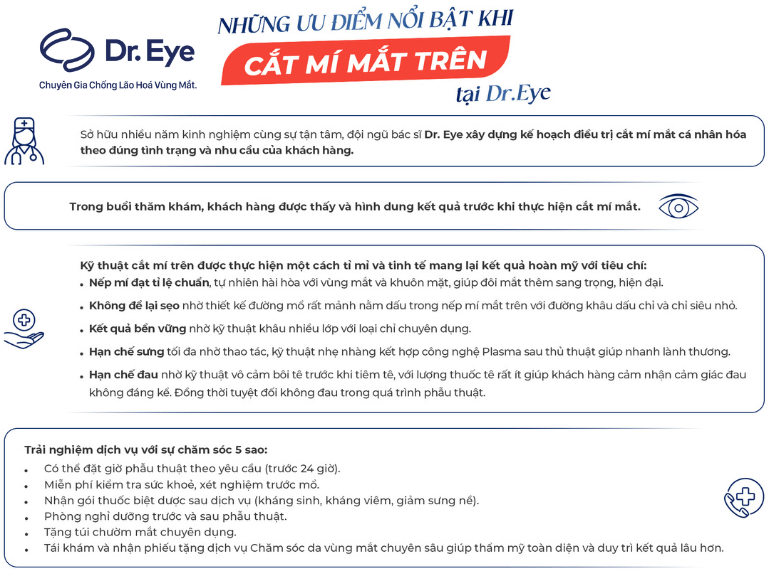
Moreover, when having eyelid surgery at Dr. Eye, clients will ensure that the final results feature naturally beautiful and harmonious eyelid folds that complement their facial features, based on criteria such as:
Don’t let the imperfections of your eyes undermine your confidence, contact Dr. Eye for assistance.An experienced doctor will examine and provide the most suitable treatment plan!
Request a callback for consultation
3. Certain medications and foods to avoid after upper eyelid surgery
In addition to vitamin E, after upper eyelid surgery, women should avoid certain medications and foods:
3.1. Vitamins A, B, C
Similar to vitamin E, it is advisable to avoid other vitamins such as A, B, C, or any medications not prescribed by your doctor. These may pose risks that could negatively affect the healing process and aesthetic results.
3.2. Foods that may cause scarring
Beef, chicken, and water spinach are foods to avoid after upper eyelid surgery or any cosmetic procedure. These foods are high in protein and can lead to bruising and promote the formation of raised scars.
3.3. Foods that may cause itching or infection
Additionally, it is important to avoid certain foods that may affect the healing process. For example, sticky rice can cause pus formation, swelling, and pain; seafood may lead to allergic reactions, causing itching and infection.
3.4. Beverages with stimulants
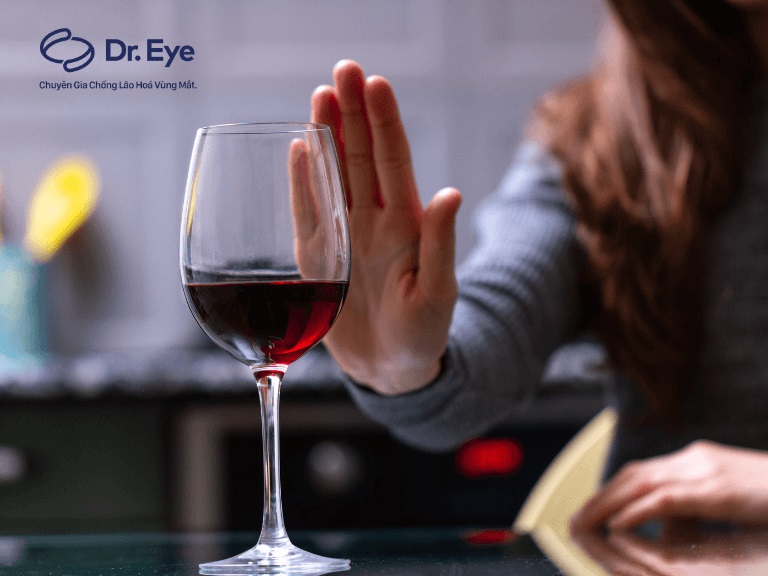
Moreover, after upper eyelid surgery, it is advisable to avoid alcoholic beverages and stimulants such as beer and liquor, as they can affect circulation.blood, causing the wound to become infected, itchy, and heal more slowly.

4. Foods to Include After Eyelid Surgery for Faster Healing
In addition to avoiding vitamin E and the aforementioned foods, clients should include the following foods to promote quicker healing:
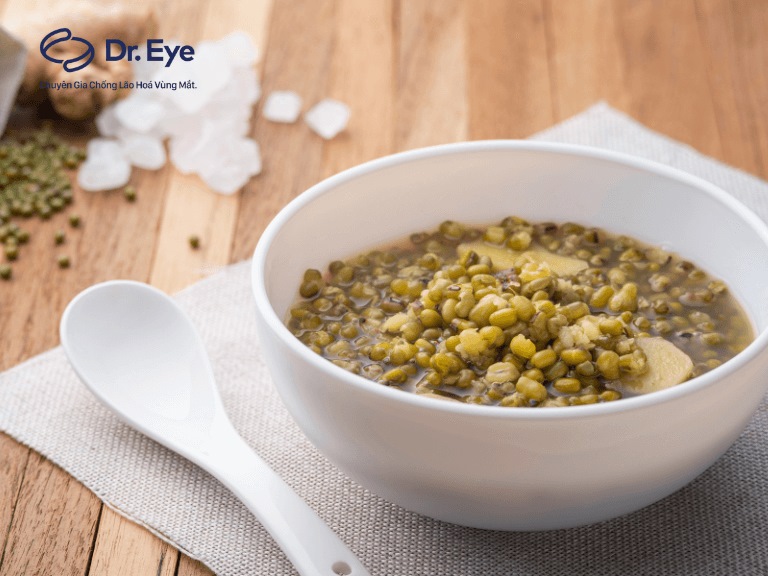
- Foods Rich in Zinc: Some foods like pumpkin, whole grains, legumes, salmon, etc., will help the body combat oxidation, boost immunity, and support faster wound healing.
- High-Quality Protein Foods: You should prioritize foods rich in protein from pork, tofu, nuts, etc. These foods will help provide protein and collagen to the body, promoting a quicker recovery process.
- Vegetables: Such as carrots, spinach, broccoli, bell peppers, etc. These foods are rich in vitamins and minerals that help speed up healing after eyelid surgery.
- Fruits:
- Avoid wearing contact lenses, applying makeup, or using saunas after upper eyelid surgery.
- Avoid strong impacts on the eyelid area, such as rubbing or scratching.
- Limit exercise or lifting heavy objects.
- Avoid prolonged exposure to electronic devices such as TVs and phones.
- Follow up according to the doctor’s scheduled appointments.

We hope this article has helped address the concern of whether it is safe to take vitamin E after upper eyelid surgery. To ensure a quick and safe recovery after the procedure, it is advisable not to take vitamin E. Additionally, it is important to strictly follow the dietary guidelines provided by your doctor to minimize complications and achieve the desired aesthetic results.
References
- Eyelid Surgery (Blepharoplasty) Pre & Post-Operative Instructions. 14/08/2018. https://www.drmaresky.co.za/eyelid-surgery-blepharoplasty-pre-post-op/ (accessed 03/10/2024)
- Post-Operative Instructions for Eyelid Surgery and Brow Lift. https://www.nwvalleyoralandfacialsurgery.com/procedures/cosmetic-surgery/surgery-instructions/eyelid-and-forehead-lift/ (accessed 03/10/2024)
Introduction Dr. Eye
Understanding the desire to preserve the youthful beauty of the eyes for middle-aged women, Dr. Eye offers modern solutions to address all aging issues around the eyes such as sagging eyelids, eye bags, crow’s feet,…


Related articles

![[Frequently Asked Questions] Can I eat sweet potato leaves after upper eyelid surgery?](https://dreye.vn/wp-content/uploads/2024/11/cat-mi-an-rau-lang-duoc-khong-ava.jpg)



 BOOK AN APPOINTMENT


