

Fat Grafting for Hollow Under-Eyes: 11 Things to Know Before Undergoing the Procedure

Consulting doctor:
Dr. Nguyen Thi Ly Na, Senior Specialist
Fat Grafting for Hollow Eyes is often indicated to address the condition of sunken eyelids, improving the appearance of tired, hollow eyes. However, to ensure a quick recovery and achieve long-lasting results, proper post-operative care after fat grafting in the eye area is crucial. Let’s explore this in more detail with Dr. Eye in the following article.
1. What is Fat Grafting for Hollow Eyes?
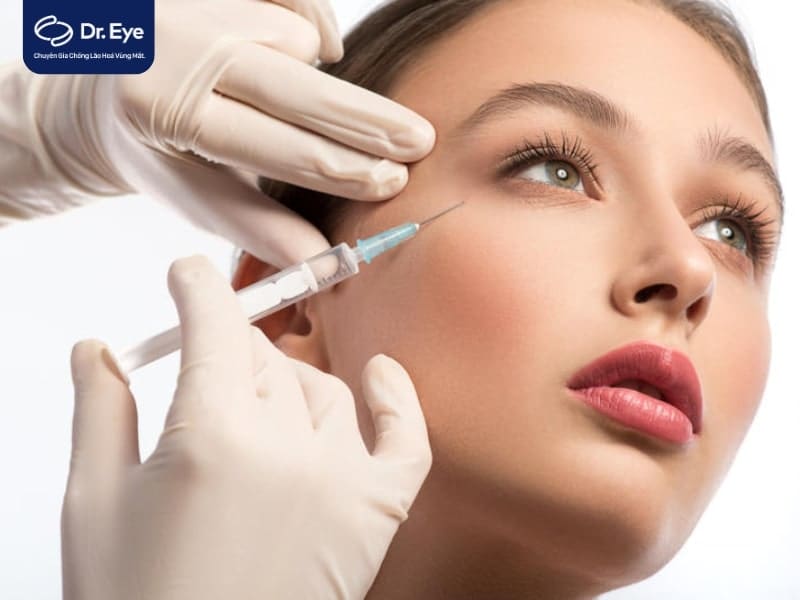
Fat Grafting for Hollow Eyes is a cosmetic procedure that uses fat from the body (such as the thighs, arms, hips, abdomen, etc.) to fill in deep hollows in the eye area. This fat is carefully processed and safely preserved for injection into the sunken areas of the upper or lower eyelids, improving the condition of hollow eyes.
2. Should You Consider Fat Grafting for Hollow Eyes?
Fat grafting in the eye area stands out with many advantages such as safety, high effectiveness, long-lasting results, and minimal downtime. Therefore, you may want to consider and consult with a qualified aesthetic doctor thoroughly before proceeding.
Here is a more detailed analysis of each benefit of this beauty procedure for your reference:
- High safety: Fat grafting for the tear trough using autologous fat has a high compatibility. Since the fat is part of the body, this procedure helps minimize the risk of rejection, ensuring safety for clients.
- Long-lasting results: The fat tissue is extracted using advanced technology and then grafted into the tear trough, where it will continue to be nourished and develop, thus maintaining results for many years. Additionally, autologous fat stimulates collagen production, helping to keep the skin youthful and smooth.
- Painless, no downtime: During the fat grafting procedure, you will receive anesthesia to reduce pain and discomfort. Therefore, you won’t need much recovery time; you can resume normal activities as directed by your doctor.
3. Who should and should not undergo fat grafting for the tear trough?
Candidates for fat grafting include those with deep upper eyelid hollowness or sunken lower eyelids, individuals who have had previous eyelid surgery that did not succeed, and those who have tried fillers without success. However, this method is not suitable for individuals under 18, those in poor health, or pregnant women.
Recommended candidates:
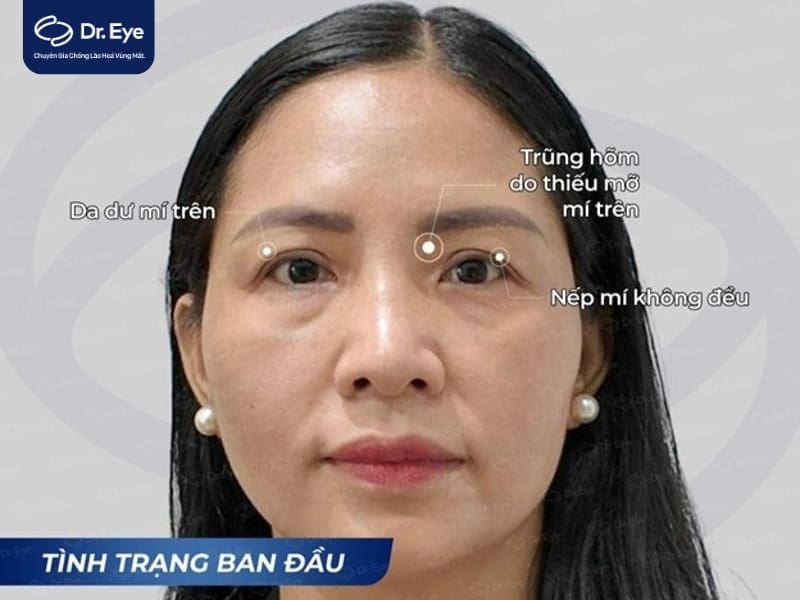
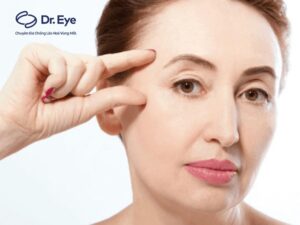
- Individuals with deep upper eyelid hollowness due to aging.
- Individuals with sunken lower eyelids. (often accompanied by dark circles and may have excess skin on the lower eyelid or not).
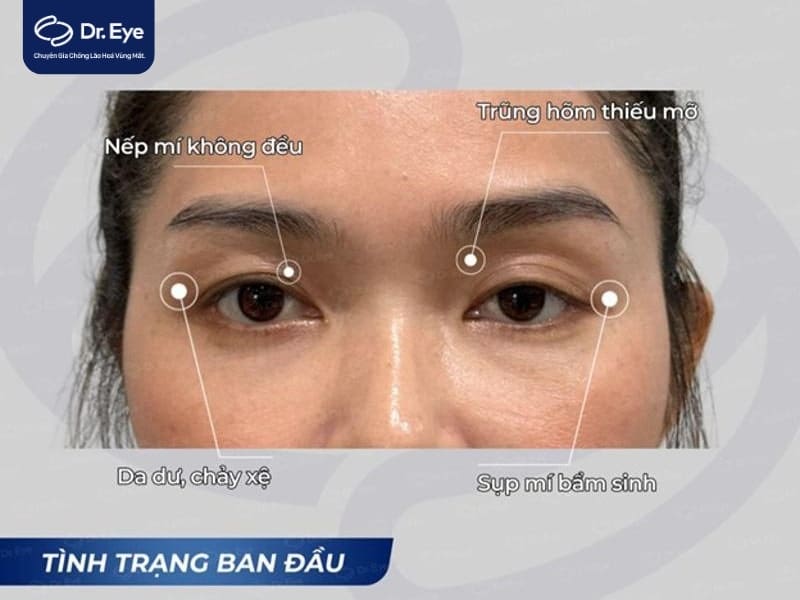
- Previously underwent upper eyelid surgery but it was unsuccessful, removing too much natural fat, resulting in deep hollows.
- Previously had fillers for the hollows but used an unsuitable method, resulting in only short-term effects.
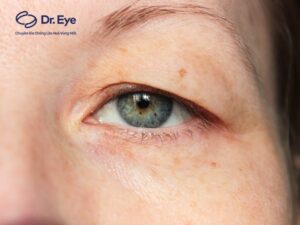
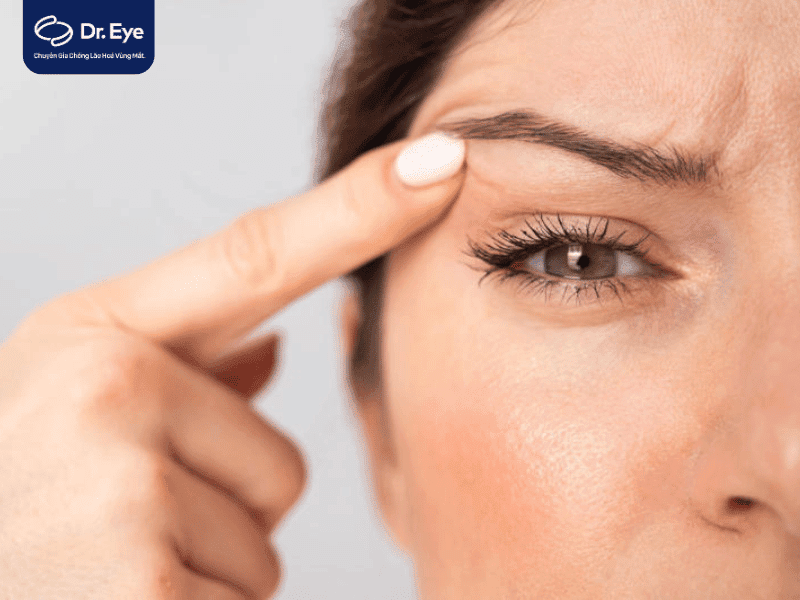
Below are images showing the condition of insufficient fat in the upper eyelid causing hollowness:
Individuals who should not undergo this procedure:
- Under 18 years old, individuals who are excessively thin.
- Pregnant or breastfeeding individuals, women during their menstrual period.
Individuals with health issues such as anemia, cardiovascular diseases, unstable blood pressure,…

4. Is fat grafting for the hollows dangerous?
The fat grafting procedure is generally SAFE if performed by a skilled doctor, in a surgical room that meets standards.maintain sterile and aseptic conditions. At the same time, clients should care for the wound and rest well according to the instructions. This is because the upper and lower eye areas are thin and sensitive, so any intervention in this skin area must be done with great caution.400;”>Step 4: The doctor takes the processed fat and performs grafting in the client’s hollow under-eye area.
7. How long does under-eye fat grafting last?
On average, the results of fat grafting are well-maintained for 5 – 10 years. However, this is just a reference as it depends on many factors such as individual physiology, the doctor’s skill, and the client’s diet and lifestyle.
8. What is the current cost of under-eye fat grafting?
The cost of fat grafting ranges from 5 – 15 million VND per eye and 9 – 21 million VND for both eyes. This information is for reference only, as it varies for each individual due to many factors, such as the degree of hollowness, the technique used, and the reputation of the performing doctor.
9. Post-operative care after under-eye fat grafting
To ensure quick recovery of the surgical wound and maintain long-lasting results, please pay attention to the following care instructions:
- Clean the wound according to the doctor’s instructions
- Establish a suitable diet: You should avoid chicken, beef, seafood, water spinach, spicy foods, and sticky rice. At the same time, include foods rich in vitamins A, C, and E (such as tomatoes, carrots, oranges, pineapples, strawberries), green vegetables, milk, almonds, and walnuts.
- Pay attention to your lifestyle when caring for the eye area after fat grafting: You should only engage in light activities, limiting any impact on the eye area such as rubbing or massaging the face. Additionally, ensure you rest adequately, get enough sleep, and maintain a relaxed mood to promote faster healing of the wound.
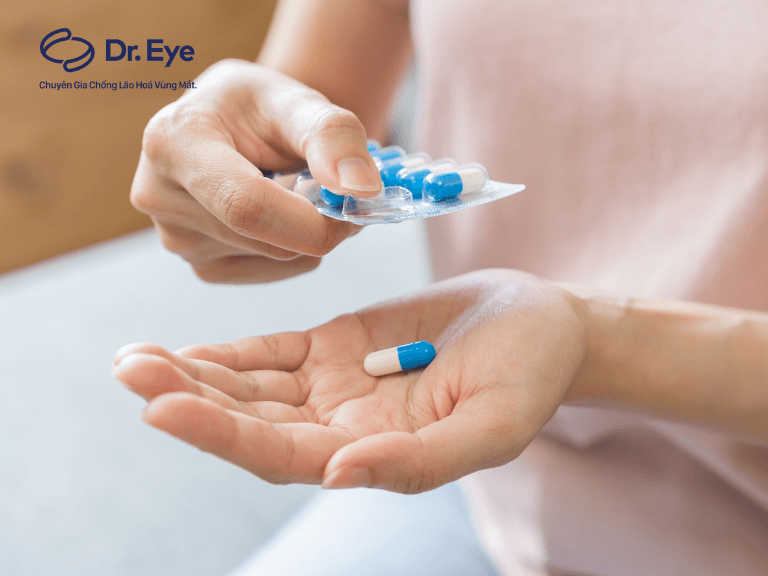
- Take medication as prescribed by your doctor: You may take medication as directed by your doctor to help alleviate common symptoms after fat grafting such as swelling, bleeding, and discharge.

> Schedule an appointment with Dr. Eye now to achieve younger and more attractive eyes.
Request a callback for consultation
11. Frequently Asked Questions
Below are some common questions regarding under-eye fat grafting that you may find helpful:
11.1. What methods of fat grafting for the under-eye area are available?
Currently, there are two methods of fat grafting: upper and lower under-eye fat grafting. The upper under-eye fat grafting uses autologous fat to fill the upper eyelid hollowness, addressing deep hollowness to create a fuller eye contour. The lower under-eye fat grafting uses autologous fat to fill inThe lower eyelid hollowness can be filled to restore fullness and eliminate the tear trough.
11.2. Is it normal to experience swelling and pain after fat grafting in the eye area?
This is a common phenomenon as the anesthesia wears off. Additionally, clients may feel a slight heaviness and mild discomfort, but it should be manageable. You can effectively alleviate pain by taking medication and following the post-operative care instructions provided by your doctor.
11.3. How long does swelling last after fat grafting in the eye area?
In most cases, clients experience reduced swelling after 1 – 2 days, with complete resolution after 7 – 10 days. However, at this stage, the grafted area may still show slight bruising. You just need to maintain hygiene and apply warm and cold compresses as directed by your doctor to effectively improve this condition.
11.4. How long does it take for the eye area to stabilize after fat grafting?
Depending on individual factors, the skill of the performing doctor, and post-operative care, the eye area after fat grafting will stabilize after 3 – 4 months. At this point, the area will no longer be swollen and will appear more natural.
11.5. When should you seek immediate medical attention after fat grafting in the eye area?
If you notice any of the following symptoms, you should consult your doctor.Today:
- There is excessive bleeding, swelling, or bruising that does not subside.
- Experiencing severe pain accompanied by nausea and vomiting.
- Signs of infection such as yellow discharge and fever.
- Changes in vision, which are more limited than before.
From the information shared by Dr. Eye, it is clear that fat grafting for the eye area is an effective aesthetic solution for addressing the issue of hollow upper and lower eyelids. However, to maintain long-lasting results, clients should pay attention to choosing a reputable clinic and properly caring for themselves.
References
- Amiya Prasad M.D, “Under Eye Fat Transfer: Possible Complications, and a Safer Alternative” – 06/28/2023, https://www.vinmec.com/en/news/health-news/beauty/eye-socket-fat-grafting-and-what-you-need-to-know/ (accessed 04/27/2024).
- Cleveland Clinic, “Under-Eye Fat Transfer” – 06/15/2022, https://my.clevelandclinic.org/health/treatments/23319-under-eye-fat-transfer (accessed 04/27/2024).
Introduction Dr. Eye
Understanding the desire to preserve the youthful beauty of the eyes for middle-aged women, Dr. Eye offers modern solutions to address all aging issues around the eyes such as sagging eyelids, eye bags, crow’s feet,…


Related articles




 BOOK AN APPOINTMENT


