

Normal Recovery Signs After Non-Incisional Double Eyelid Procedure

Consulting doctor:
Dr. Nguyen Thi Ly Na, Senior Specialist
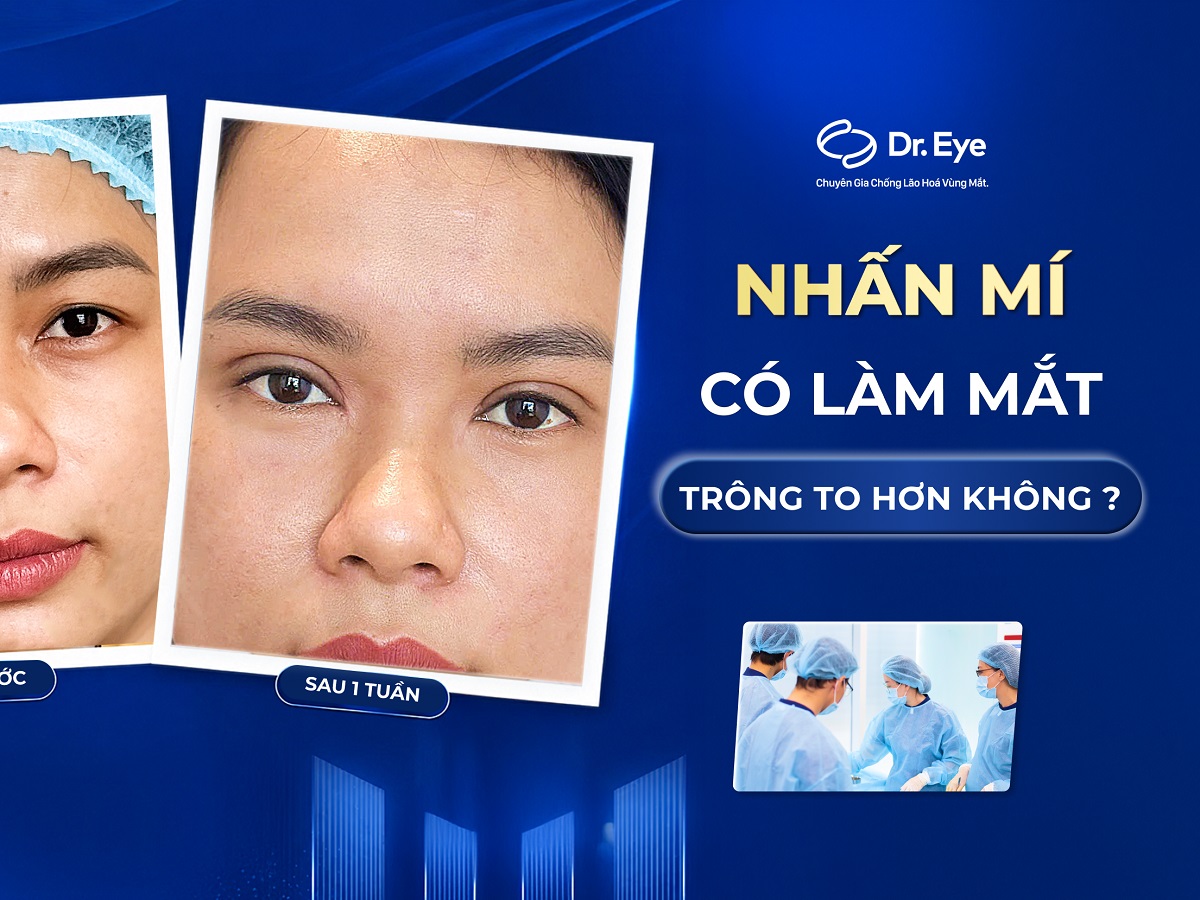
After undergoing the non-incisional double eyelid procedure, clients should not evaluate the results solely based on the appearance of the eyelid crease in the first few days, as swelling may cause the eyelids to appear higher or uneven. It is more important to monitor the recovery process. If the swelling around the eyelids gradually decreases, there is no increasing pain, and no unusual symptoms related to the eyes or vision appear, clients can continue with their care and follow-up as directed. Conversely, if symptoms such as eye pain, redness, prolonged discomfort, or changes in vision occur, an early examination by a doctor is necessary to determine the cause.
Dr. Nguyen Thi Ly Na, Senior Specialist
The non-incisional double eyelid procedure is a method that creates an eyelid crease using specialized sutures, often chosen for cases of monolids, hidden eyelids, or uneven double eyelids with minimal excess skin to address. Compared to methods requiring longer incisions, the non-incisional double eyelid procedure involves less tissue intervention. However, the eyelid area still requires a certain amount of time to stabilize after the procedure.
Therefore, a slight swelling, tightness of the eyelid, mild bruising, or an eyelid crease that appears elevated and not fully symmetrical in the initial days does not necessarily indicate an abnormal result.
It is important to monitor the progression of these symptoms. When swelling, tightness, or bruising tends to gradually decrease and is not accompanied by increased pain, significant redness, unusual discharge, or changes in vision, this is generally more consistent with the recovery process following eyelid intervention.
Conversely, if there is noticeable eye pain, prolonged redness, light sensitivity, a growing sensation of a foreign body in the eye, or decreased vision, clients should not wait at home but should contact a doctor for evaluation.
What is the Non-Incisional Double Eyelid Procedure and Why Does the Eyelid Need Recovery Time?
The non-incisional double eyelid procedure, also known as the double eyelid stitch method, is a technique that uses specialized sutures to create connections in the upper eyelid area, resulting in a more defined eyelid fold when the eyes are open.
At Dr. Eye, the non-incisional double eyelid procedure is part of the methods available for needs such as monolids, hidden eyelids, or uneven double eyelids. Whether a person is suitable for the non-incisional double eyelid procedure, upper eyelid surgery, or another method needs to be assessed by a doctor based on the characteristics of the eyelid skin, the tissue in the eye area, and the function of the lifting muscle.the eyelid and the actual structure of the eye.
Although the level of intervention in the non-incisional double eyelid procedure is often less than that of upper eyelid surgery, the process of manipulating the tissue and placing sutures still triggers the body’s natural healing response. This is why the eyelid area may appear swollen, tight, or slightly bruised initially.
The degree of these manifestations varies among individuals. Factors such as body constitution, technique used, eyelid tissue characteristics, lifestyle, and post-procedure care can all influence the recovery process.

Normal Recovery Signs After Non-Incisional Double Eyelid Procedure
1. Mild swelling of the eyelids in the initial days
Swelling is one of the common manifestations that may occur after procedures in the eyelid area. The tissue around the eyes is soft and relatively sensitive, so even with minimal intervention, mild edema may still appear.
In the initial days, you may notice that the eyelids look thicker than usual, the eyelid crease is higher than expected, or the two eyes do not yet create a natural appearance.
What needs to be observed is not just whether there is swelling, but also the trend of the swelling condition.
If the eyelids are swollen to a mild or moderate degree, then gradually decrease without accompanying increased pain, widespread redness, or any unusual symptoms in the eyes, this typically aligns with the recovery process.
2. The initial eyelid crease may appear higher or deeper than expected
One of the common concerns after the non-incisional double eyelid procedure is that the eyelid crease looks high, deep, or feels quite pronounced.In the early days.
At this stage, the tissue around the crease area is still swollen and not completely soft. Therefore, the appearance of the eyelid crease immediately after the procedure should not be considered the final result.
As the swelling decreases and the tissue becomes softer, the eyelid crease may become more gentle and softer over time.
Evaluating the results of the double eyelid procedure too early, especially just a few days after, can lead to unnecessary anxiety.
3. The eyelids may not be perfectly symmetrical in the early stage
The level of swelling between the two eyes is not always the same. One side may be more swollen or may reduce swelling more slowly than the other, causing the eyelid crease to temporarily appear asymmetrical.
Therefore, the condition of uneven eyelids in the early stage should be assessed based on the recovery progress rather than just looking at a single point in time.
However, if the degree of difference is significant, increasingly noticeable, or persists beyond the expected recovery time, clients should return for a follow-up examination for the doctor to check directly.
4. A slight tightness may be felt around the eyelids
When the new eyelid crease is formed and the tissue is adapting to the new connection position, you may feel a slight tightness in the eyelid area or that it is not as flexible as usual.
This sensation should be distinguished from eye pain, increasing pain, or the feeling of a foreign object rubbing inside the eye.
If a deep discomfort in the eye, conjunctival redness, continuous tearing, light sensitivity, or pain occurs, clients should contact the clinic for an examination rather than simply viewing this as a sign of recovery.
5. Mild bruising may appear around the eyelids
Mild bruising may appearThis is due to the small blood vessels in the treated area being affected. The color of the bruise may change as the body absorbs the blood under the skin.
The degree of bruising varies from person to person. Some may hardly notice any bruising, while others may show more pronounced signs in the first few days.
If the bruise does not continue to spread and the overall condition improves over time, this is typically a common occurrence during the recovery process.
Recovery Tracking Table After Non-Incisional Double Eyelid Procedure
| Stage | Possible Symptoms | What to Monitor | Recommendations |
|---|---|---|---|
| First 24 to 72 hours | Swelling, slight tightness, noticeable eyelid crease, possible mild bruising | Excessive swelling, significant pain, or any impact on vision | Rest and follow the doctor’s care instructions |
| Day 4 to Day 7 | Swelling usually begins to decrease, eyelid area feels less tight | Both sides may not look completely symmetrical due to varying levels of swelling | Continue monitoring, avoid strong impacts on the eyelids |
| Week 2 | The eyelid crease gradually softens, most early symptoms continue to improve | Check for redness, pain, lumps, or any remaining asymmetry | Follow up as scheduled |
| Week 3 to Week 4 | The eyelids continue to stabilize and appear more natural | Observe symmetry, ability to open and close the eyes, and sensation in the eyelid area | The doctor can better assess the recovery progress |
| After 1 month | In many cases, the condition has stabilizedSignificant definition | If there are still clear abnormalities, check the cause | Do not self-manage or interfere with the suture placement |
Note: The table above is for reference only. There is no fixed recovery timeline that applies uniformly to all clients. The technique used, individual physiology, and characteristics of the eyelid area can affect recovery time.
How long does swelling last after double eyelid surgery?
There is no single accurate number that applies to everyone.
Surgical literature on eyelid surgery and crease formation indicates that swelling in the eyelid area is usually more pronounced in the early stages and then gradually decreases over the following weeks. Some studies on suture techniques for eyelid creation report recovery times can range from about one week to several weeks, depending on the technique and individual case.
Therefore, instead of just focusing on “how many days until the swelling goes down,” you should monitor three factors:
- Is the swelling gradually decreasing?
- Are there any signs of increased pain, redness, or unusual discharge?
- Is vision and sensation in the eyes normal?
If the swelling is decreasing and there are no warning symptoms, the recovery process is usually smoother.
When will the eyelid crease start to look more natural?
In the early stages, tissue swelling may cause the eyelid crease to appear higher, deeper, or firmer than expected. As the swelling decreases and the tissue softens, the eyelid line tends to become more harmonious.
Therefore, do not rush to conclude that the eyelid crease is too high, too deep, or uneven based solely on images from a few days.The doctor needs to base their assessment on the time elapsed since the procedure, the remaining swelling, the position of the eyelid crease, and the ability to open and close the eyes for a more accurate evaluation.Press or pull the eyelid crease to check the position of the suture. At the same time, it is important to limit any actions that may cause direct irritation to the eye area during the initial phase.
If you are using prescribed medications or skincare products, be sure to follow the correct dosage and timing. Do not self-supplement with medications, eye drops, or topical products on the eyelid area without professional guidance.
A simple way to monitor progress is to take daily photos of the eye area under the same lighting conditions and angle. Comparing images over time helps observe whether swelling is decreasing or increasing and provides additional information to the doctor if remote consultation is needed.
Unsure if your eyelid condition is recovering normally?
The degree of swelling, whether the eyelids are high or low, and how symmetrical they are need to be evaluated in the context of the timing of the procedure and the actual condition of each client.
If you have just undergone a non-incisional double eyelid procedure and are wondering if your eye area is recovering as it should, you can leave your phone number for the Dr. Eye team to contact you and guide you through the appropriate check-up steps.
REGISTER FOR EYELID CONDITION CHECK-UP
Sending images may assist in the initial exchange, however, professional evaluation and treatment decisions still need to be based on the actual condition of each case.
Frequently Asked Questions about Recovery After Non-Incisional Double Eyelid Procedure
Eyelid
Is it normal to have swelling after the non-incisional double eyelid procedure?
Mild swelling may occur in the early stages after the non-incisional double eyelid procedure. What is important is whether the swelling decreases over time and if it is accompanied by increased pain, redness, discharge, or changes in vision.
Is it a problem if there is still swelling three days after the non-incisional double eyelid procedure?
It cannot be concluded based solely on the number of days. The eyelid area may still be swollen in the initial days. If the swelling is gradually decreasing and there are no warning symptoms, you may continue to monitor as per the doctor’s guidance. If the swelling increases or is accompanied by pain and abnormalities in the eye, an early check-up is necessary.
Is it a mistake if the eyelids are uneven after the non-incisional double eyelid procedure?
It cannot be concluded in the early recovery phase. The degree of swelling on both sides may differ, causing the eyelid crease to appear temporarily uneven. The doctor needs to assess after the tissue has stabilized or check early if the asymmetry is significant.
How long does it take for the eyelid crease to look natural?
The time for the eyelid crease to soften and look natural varies depending on individual physiology, technique, and the degree of swelling. A fixed timeframe should not be used to evaluate all cases.
Is it necessary to remove stitches after the non-incisional double eyelid procedure?
With the non-incisional double eyelid technique using sutures placed and secured beneath the tissue to create the eyelid crease, there is typically no external stitch that needs to be removed like some surgical techniques that involve skin sutures. However, the specific technique should be confirmed by the performing clinic.
Is it normal to feel something in the eye after the non-incisional double eyelid procedure?
A slight tightness in the eyelid area needs to be distinguished from the sensation of a foreign body inside the eye. IfIf you experience persistent eye discomfort, pain, redness, excessive tearing, or sensitivity to light, you should contact a doctor for an examination.
When Should You Return for a Follow-Up After Double Eyelid Surgery?
Clients should adhere to the follow-up schedule provided by the doctor. If any unusual symptoms arise before the scheduled appointment, do not wait until the follow-up date; proactively contact the clinic where the procedure was performed.
Proper Monitoring is Essential for a Good Recovery After Double Eyelid Surgery
After double eyelid surgery, mild swelling, tightness around the eyelids, slight bruising, or uneven eyelid creases may occur in the initial stages. These symptoms should be monitored over time rather than assessed based solely on the first few days.
More importantly, clients need to distinguish between normal recovery signs and symptoms that require a doctor’s evaluation, such as increased pain, significant redness, prolonged foreign body sensation, light sensitivity, or changes in vision.
Each pair of eyes has a different structure, and recovery rates can vary. Being monitored by a doctor at the right time will help you understand your current condition and avoid self-treatment without identifying the cause.
If you are in the recovery phase after double eyelid surgery and are unsure whether your current condition is normal, please leave your phone number. Dr. Eye will contact you to gather information and guide you through the appropriate examination steps.
About Dr. Eye
Dr. Eye, a specialized clinic for aesthetic and anti-aging treatments in the eye area
Address: 07 Nguyen Co Thach, An Khanh Ward, Ho Chi Minh City.
Working hours:08:00 to 19:00, from Monday to Sunday.
Information in this article is for reference only and does not replace a consultation, diagnosis, or treatment plan from a doctor. Recovery processes and results may vary depending on individual cases.
Medical References
- Wang Y, Zhang Y, Tian N. Cause and Management of Suture related Ocular Complications after Buried suture Double eyelid Blepharoplasty. Journal of Plastic, Reconstructive & Aesthetic Surgery. PMID: 34226132.
- Misdiagnosis and Treatment of Corneal Complications Caused by Suture Exposure After Buried Suture Double Eyelid Blepharoplasty. Aesthetic Plastic Surgery. PMID: 37653179.
- A Modified Double Eyelid Plastic Surgery Method: Continuous Buried Suture Method Accompanied by Simultaneous Correction of Mild Blepharoptosis. PMID: 30141071.
- Postoperative Eyelid Edema in Different Racial and Ethnic Populations. Plastic and Reconstructive Surgery Global Open.
- National Health Service. Eyelid surgery, recovery and possible complications.
Introduction Dr. Eye
Understanding the desire to preserve the youthful beauty of the eyes for middle-aged women, Dr. Eye offers modern solutions to address all aging issues around the eyes such as sagging eyelids, eye bags, crow’s feet,…


Related articles



 BOOK AN APPOINTMENT


