


Vietnam Medical Tourism: Eye Rejuvenation at Dr. Eye

Consulting doctor:
Over 10 years of experience in oculoplastic and facial plastic surgery.
See more information about the doctor"An appropriate eye rejuvenation plan begins with a thorough understanding of each patient's eyelid anatomy, functional condition, and aesthetic goals. For international patients, it is especially important to consider not only the surgical technique but also medical suitability, recovery time, and postoperative follow-up. The decision to undergo aesthetic eyelid surgery should always prioritize patient safety and realistic expectations."
Dr. Nguyen Thi Ly Na, Senior Specialist
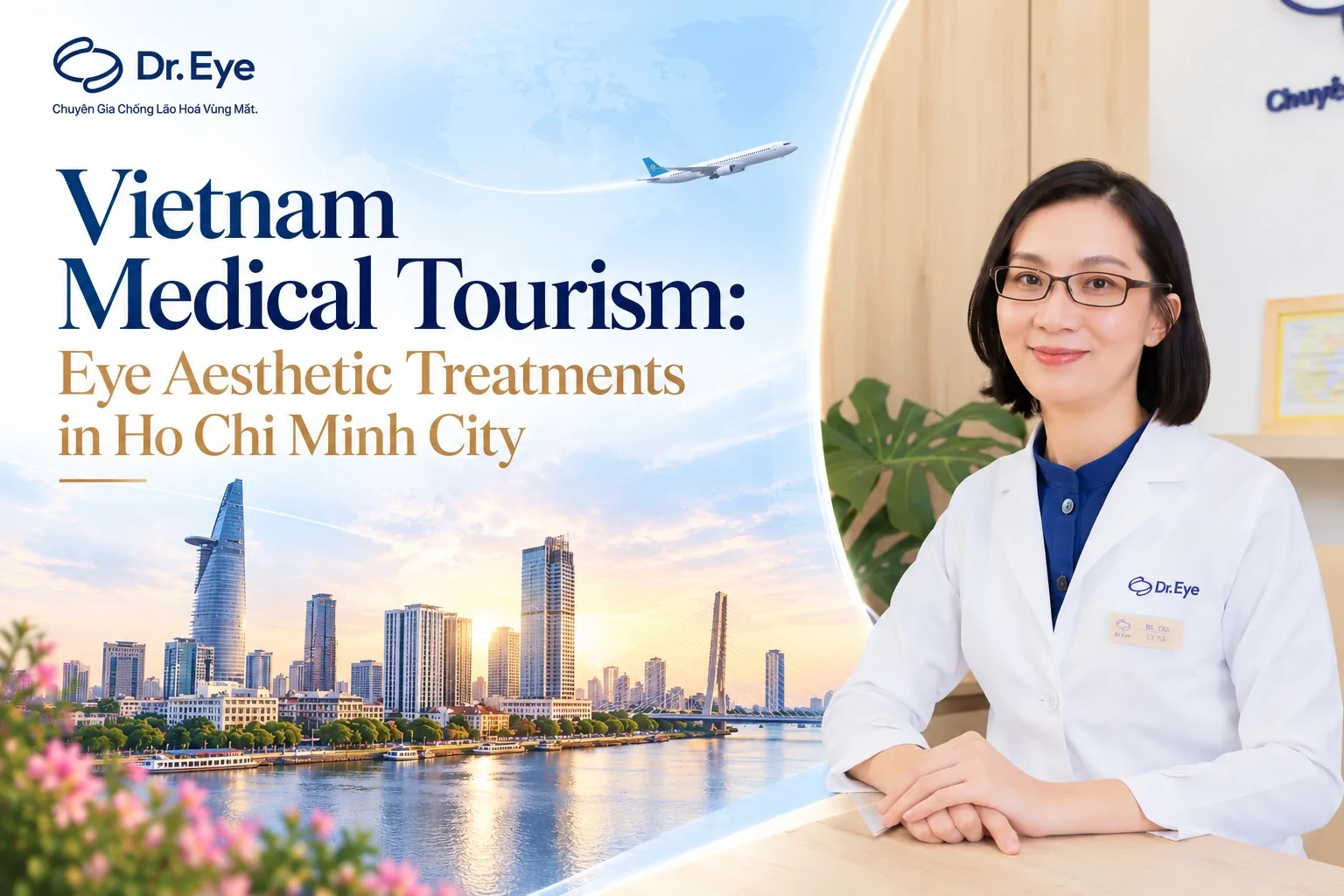
Vietnam Medical Tourism: Specialized Eye Rejuvenation at Dr. Eye
Vietnam medical tourism is attracting interest from international travelers who want to explore healthcare services while experiencing the culture, hospitality, and lifestyle of Vietnam. Among the available aesthetic treatments, eyelid surgery and specialized eye rejuvenation are options for patients seeking to address age-related changes around the eyes.
Located in Ho Chi Minh City, Vietnam, Dr. Eye is a clinic specializing in eyelid aesthetics and periocular rejuvenation, particularly for middle-aged women who wish to improve their appearance while preserving their natural facial characteristics.
Our approach focuses on understanding each patient’s unique eye anatomy, identifying the underlying causes of aesthetic concerns, and developing an individualized treatment plan.
For international patients considering cosmetic procedures during a trip to Vietnam, Dr. Eye offers an opportunity to explore specialized eye rejuvenation through medical consultation and carefully planned treatment.
Planning a visit to Vietnam? Leave your phone number with your international country code to request a personalized eye rejuvenation consultation at Dr. Eye.
1. What Is Vietnam Medical Tourism?
Vietnam medical tourism refers to traveling to Vietnam to receive healthcare services, medical consultations, or treatments. This may include dental care, cosmetic surgery, aesthetic medicine, and other medical specialties.
For international visitors, medical tourism can be part of a dedicated healthcare journey or an extended stay in Vietnam.
According to the Centers for Disease Control and Prevention (CDC), medical tourism involves international travel for medical care. Some travelers also combine their healthcare arrangements with vacation activities.
In aesthetic medicine, this can include consultations for cosmetic eyelid surgery, facial rejuvenation, and other elective procedures.
At Dr. Eye, our specialization is eyelid aesthetics and rejuvenation of the surrounding eye area, rather than general ophthalmic surgery or comprehensive facial cosmetic surgery.
Our services focus on concerns such as:
- Excess skin and sagging around the upper eyelids.
- Under-eye bags and lower eyelid aging.
- Deep tear troughs and hollow-looking eyelids.
- Monolids, hidden eyelid creases, and eyelid asymmetry.
- Drooping eyelids that may require ptosis assessment.
- Selected aesthetic concerns following previous eyelid surgery.
Each concern may involve different anatomical structures. Therefore, a consultation is essential to determine which treatment, if any, may be appropriate.
2. Why Consider Vietnam for Medical Tourism and Aesthetic Treatment?
When exploring medical tourism in Vietnam, international patients often consider several factors, including treatment options, medical qualifications, cost, convenience, and opportunities to experience the country.
Vietnam offers a distinctive travel environment, while Ho Chi Minh City provides access to various medical and aesthetic healthcare services.
2.1. Combine Healthcare Planning With a Visit to Vietnam
Vietnam is known for its cultural heritage, regional cuisine, landscapes, and vibrant cities.
For travelers visiting Ho Chi Minh City, an extended stay may provide an opportunity to arrange a specialist consultation for a long-standing aesthetic concern.
However, cosmetic surgery should not be treated as an ordinary holiday activity.
Medical suitability, postoperative monitoring, and adequate recovery time must take priority over sightseeing or a fixed travel itinerary.
Patients considering an elective procedure should plan leisure activities around medical advice, particularly during the early stages of recovery.
2.2. Explore Treatment Costs and Individualized Care
The cost of aesthetic treatment is one consideration when researching Vietnam medical tourism.
However, comparing prices alone does not provide a complete picture of the quality or suitability of a procedure.
The proposed treatment, surgeon’s qualifications, medical facility standards, preoperative assessment, and postoperative care should all be considered.
At Dr. Eye, our doctors assess each patient’s condition before recommending an appropriate treatment plan.
Patients can discuss the proposed procedure, expected recovery, and estimated treatment costs before deciding whether to proceed.
2.3. Find Healthcare Providers With a Specialized Focus
Some aesthetic clinics offer a broad variety of cosmetic treatments. Others focus on particular anatomical areas or medical specialties.
Dr. Eye follows a specialized approach dedicated to the eyelids and surrounding eye region.
Our focus allows us to concentrate on the structural and aesthetic concerns associated with the eye area, including changes related to aging, eyelid asymmetry, and selected functional eyelid conditions.
For international patients specifically interested in eye rejuvenation, this specialized direction may be an important factor when researching treatment providers in Vietnam.
3. Dr. Eye: A Specialized Eye Rejuvenation Clinic in Ho Chi Minh City
At Dr. Eye, we believe that eye rejuvenation should respect the natural characteristics of each person’s face.
Our goal is not to create identical eyelids for every patient. Instead, we aim to recommend suitable techniques that address the patient’s concerns while maintaining harmony with their individual facial features.
A Specialized Approach to Eye Rejuvenation
The eye area contains delicate anatomical structures that influence eyelid movement, eye closure, facial expressions, and appearance.
With age, changes in skin elasticity, fat distribution, supporting tissues, and eyelid position may affect the overall appearance of the eyes.
For middle-aged patients, several concerns may occur simultaneously.
For example, excess upper eyelid skin may become more noticeable while under-eye bags and tear troughs develop in the lower eyelid area.
Treating only one visible concern may not fully address the changes contributing to the patient’s appearance.
At Dr. Eye, our doctors evaluate the upper and lower eyelids individually and consider their relationship to the surrounding facial structures before recommending treatment.
Experienced Medical Professionals
Our medical team includes Dr. Nguyen Thi Ly Na, Specialist Level II, who has 10 years of professional experience in plastic surgery involving the eyes and face.
Dr. Ly Na graduated from the University of Medicine and Pharmacy in Ho Chi Minh City and completed postgraduate training in plastic surgery at Pham Ngoc Thach University of Medicine.
She is also a member of the Vietnamese Society of Aesthetic Plastic Surgery (VSAPS).
Our doctors emphasize clinical examination, individualized treatment planning, and clear explanations of the proposed procedure.
Learn more about our medical specialists at Dr. Eye.
Licensed Medical Facility
Dr. Eye holds medical examination and treatment operating license 10298/HCM-GPHĐ, issued by the Ho Chi Minh City Department of Health on March 13, 2024.
We emphasize medical assessment, infection prevention, appropriate treatment selection, and postoperative monitoring.
Patients considering aesthetic surgery in Vietnam should verify the treating facility’s licensing information and the medical qualifications of the surgeon before making a decision.
4. Specialized Eye Rejuvenation Treatments Available at Dr. Eye
Different eye concerns require different treatment approaches.
At Dr. Eye, our doctors assess the eyelid anatomy, medical history, degree of tissue aging, and patient’s aesthetic preferences before recommending an appropriate technique.
The following table summarizes several treatment categories that international patients may explore during a consultation.
Eye Rejuvenation Treatment Comparison
| Treatment | Common Concerns | Intended Aesthetic Improvement |
|---|---|---|
| Upper Eyelid Surgery (Upper Blepharoplasty) | Excess upper eyelid skin, unwanted fat, poorly defined eyelid crease | Improve upper eyelid contour and create a more defined, balanced eyelid appearance |
| Lower Eyelid Surgery (Lower Blepharoplasty) | Under-eye bags, excess skin, selected tear trough concerns | Improve lower eyelid contour and reduce the appearance of puffiness or sagging |
| Subbrow Lift (Subbrow Blepharoplasty) | Excess upper eyelid skin, particularly toward the outer eye area | Address selected areas of skin laxity while considering the natural eyelid crease |
| Double Eyelid Surgery | Monolids, hidden eyelid creases, uneven eyelid folds | Create or refine an eyelid crease based on individual eye anatomy |
| Ptosis Correction | Drooping upper eyelid margin associated with eyelid-opening dysfunction | Improve upper eyelid position according to the underlying clinical cause |
| Upper Eyelid Fat Grafting | Selected cases of hollow upper eyelids | Restore volume to improve upper eyelid contour |
| Eyelid Revision Surgery | Selected aesthetic or functional concerns after previous eyelid procedures | Address specific issues through an individualized revision plan |
The treatments listed above are not suitable for every patient. Surgical indications, techniques, risks, and expected outcomes must be determined through clinical examination.
4.1. Upper Eyelid Surgery: Refining the Upper Eyelid Contour
Upper eyelid surgery, also called upper blepharoplasty, is an aesthetic procedure used to address selected concerns involving excess skin, fat, and the upper eyelid crease.
As the tissues around the eyes change with age, excess skin may partially cover the natural eyelid fold, making the upper eyelids appear heavier.
In suitable cases, upper blepharoplasty may help:
- Address excess upper eyelid skin.
- Improve the definition of the eyelid crease.
- Reduce selected areas of unwanted fat.
- Create a more balanced upper eyelid appearance.
At Dr. Eye, the procedure is planned according to the patient’s natural eye shape, eyelid position, and aesthetic goals.
The amount of tissue removal and crease design must be carefully considered to avoid an excessively hollow or unnatural appearance.
Explore upper eyelid surgery at Dr. Eye.
4.2. Lower Eyelid Surgery: Addressing Under-Eye Bags and Aging
Under-eye bags are a common aesthetic concern among middle-aged patients.
They may result from changes in orbital fat, skin elasticity, and lower eyelid supporting structures.
Some patients also develop a pronounced tear trough, creating a visible depression between the lower eyelid and cheek.
Lower blepharoplasty is designed to improve selected concerns involving the lower eyelid area.
Depending on the anatomical findings, treatment may involve adjusting orbital fat, removing excess skin, or addressing other relevant tissues.
At Dr. Eye, we consider the relationship between under-eye bags, tear troughs, and lower eyelid support before recommending surgery.
It is important to understand that dark circles and under-eye hollowness may have multiple causes. Lower eyelid surgery cannot address every type of pigmentation or volume-related concern.
Learn more about lower eyelid surgery at Dr. Eye.
4.3. Subbrow Lift: A Specialized Approach to Upper Eyelid Skin Laxity
Subbrow lift, also called subbrow blepharoplasty, is a procedure that can address selected forms of excess skin around the upper eyelids.
The surgical incision is positioned near the lower border of the eyebrow, allowing the surgeon to adjust the excess skin according to the patient’s anatomy.
For suitable individuals, this approach may be considered when upper eyelid skin laxity is present but preservation of the existing eyelid crease is desirable.
At Dr. Eye, our doctors examine the relationship between the eyebrows, eyelids, and surrounding tissues before determining whether a subbrow lift or another technique is appropriate.
This procedure is not a substitute for treating true eyelid ptosis, which requires a separate clinical assessment.
Discover more about brow and upper eyelid rejuvenation.
4.4. Combining Treatments for More Comprehensive Eye Rejuvenation
Some patients experience several age-related changes around the eyes at the same time.
For example, a patient may have excess upper eyelid skin together with prominent lower eyelid bags.
In selected cases, a combined treatment plan may be considered to address concerns in both areas.
Potential combinations include:
- Subbrow lift and lower blepharoplasty.
- Upper and lower blepharoplasty.
- Upper eyelid surgery and another clinically indicated eyelid procedure.
The suitability of combining procedures depends on the patient’s health, eyelid anatomy, surgical complexity, and expected recovery.
At Dr. Eye, our doctors recommend combined procedures only when they are clinically appropriate.
Interested in finding out which eye rejuvenation treatment may suit you? Leave your phone number with your international country code to request a personalized consultation at Dr. Eye.
5. Why Personalized Eye Rejuvenation Matters
Every patient’s eyes have different anatomical characteristics.
Two individuals of a similar age may experience very different changes around the eyelids.
One patient may mainly have excess upper eyelid skin. Another may have under-eye bags, hollow upper eyelids, and changes in eyelid position.
A suitable treatment plan should reflect these differences rather than applying the same surgical technique to everyone.
Comprehensive Clinical Assessment
During a consultation at Dr. Eye, the doctor may evaluate:
- Upper and lower eyelid anatomy.
- Eyebrow position and skin elasticity.
- Eyelid crease and symmetry.
- Orbital fat distribution.
- Tear trough anatomy and lower eyelid support.
- Eyelid movement and function.
- Previous procedures and existing scars.
- Relevant medical conditions, medications, and ocular health concerns.
This information helps determine whether aesthetic treatment is appropriate and which approach may offer a reasonable balance between the patient’s goals and medical considerations.
Natural-Looking Results as a Treatment Objective
Aesthetic preferences differ among patients.
Some want a more visible eyelid crease, while others are primarily concerned about age-related skin laxity or under-eye bags.
At Dr. Eye, our treatment planning emphasizes balanced eyelid proportions and results that complement the patient’s natural facial features.
The objective is to improve appropriate concerns without unnecessarily changing the individual’s distinctive appearance.
No surgical technique can guarantee perfect symmetry or a particular aesthetic outcome. Expectations, limitations, and risks should be discussed during consultation.
6. How to Plan Your Eye Rejuvenation Journey in Vietnam
For international patients, medical tourism involves more than selecting a treatment.
Planning should also consider travel dates, medical assessment, accommodation, postoperative recovery, and follow-up appointments.
At Dr. Eye, we encourage patients to discuss their proposed travel schedule before arranging an elective procedure.
Step 1: Contact Dr. Eye Before Your Trip
If you are considering eye rejuvenation during your visit to Vietnam, you can contact our consultation team before arriving.
It is helpful to provide:
- Your name and country of residence.
- Your phone number with international dialing code.
- Your main eyelid or eye rejuvenation concern.
- Your expected arrival date in Ho Chi Minh City.
- Your intended length of stay.
- Your preferred language for communication.
Our team can discuss available appointment arrangements and explain the next steps.
If you need assistance in a particular language, please confirm the availability of that support in advance.
Step 2: Attend an In-Person Consultation
An in-person consultation is essential for evaluating treatment suitability.
During the appointment, the doctor examines the eye area, reviews relevant medical history, and discusses the patient’s expectations.
When surgery is being considered, the doctor explains the proposed technique, anticipated benefits, potential risks, recovery requirements, and limitations.
A remote inquiry or photograph review cannot replace this medical examination.
Step 3: Complete the Necessary Preoperative Assessment
Before surgery, patients may require a review of their medical history, current medications, vital signs, and additional tests as clinically indicated.
It is important to inform the doctor about relevant health conditions, previous surgeries, medication use, allergies, and symptoms affecting the eyes.
Patients should not discontinue prescribed medication without medical guidance.
If medical assessment indicates that surgery is not appropriate, treatment may need to be postponed or reconsidered.
Step 4: Proceed With an Individualized Treatment Plan
If the patient is considered medically suitable and chooses to proceed, the doctor develops the surgical plan according to the examination findings.
The technique and treatment schedule are selected based on the patient’s individual condition.
At Dr. Eye, we emphasize appropriate medical preparation, careful surgical planning, and postoperative follow-up.
Step 5: Prioritize Recovery Before Returning Home
After treatment, patients receive postoperative care instructions and follow-up appointments based on the procedure performed.
Certain eyelid procedures may require a stitch-removal appointment approximately five to seven days after surgery, although timing varies.
International patients should allow adequate time for medical review and recovery rather than arranging departure immediately after treatment.
Suggested Travel Planning Framework
| Stage | Recommended Planning | Important Considerations |
|---|---|---|
| Before Traveling | Contact Dr. Eye and request an appointment | Share your concerns, medical history, and proposed travel dates |
| Arrival in Vietnam | Allow time for your medical consultation | Avoid assuming that surgery can be performed immediately |
| Medical Assessment | Undergo examination and discuss the treatment plan | Surgery proceeds only if medically appropriate |
| Procedure | Follow the doctor’s preoperative and postoperative instructions | Recovery depends on the specific technique |
| Early Recovery | Rest, follow wound-care instructions, and avoid strenuous activities | Temporary swelling and bruising may occur |
| Follow-Up | Attend scheduled postoperative reviews | The doctor evaluates healing and any complications |
| Return Flight | Arrange departure according to medical advice | Flight clearance depends on individual recovery and risk |
This table is intended for travel planning only. It does not represent a fixed treatment package, guaranteed recovery schedule, or commitment to medical clearance by a particular date.
7. Recovery After Eyelid Surgery: What International Patients Should Expect
Recovery is an important consideration for patients exploring aesthetic eyelid surgery in Vietnam.
Following blepharoplasty, some patients experience temporary swelling, bruising, dryness, irritation, or discomfort.
According to the American Society of Plastic Surgeons (ASPS), postoperative care may include cold compresses, prescribed medication, wound-care instructions, and scheduled follow-up appointments.
Understanding the Healing Process
Although individual recovery varies, it is helpful to distinguish between early postoperative healing and the gradual maturation of surgical results.
During the first week: Swelling, bruising, and temporary discomfort may be present. Patients should follow their surgeon’s wound-care and activity instructions.
After approximately one month: For many patients, swelling has improved and the eyelid contour may appear more settled, although complete healing has not necessarily occurred.
Over approximately three to six months: The surgical area may continue to mature as remaining swelling subsides and scar tissue softens. Some changes may take longer.
These are general recovery references rather than guaranteed timelines.
At Dr. Eye, postoperative instructions and follow-up schedules are tailored to each patient’s treatment and healing progress.
When Can You Fly After Eyelid Surgery?
International patients should carefully consider the timing of their return flight.
The CDC’s Yellow Book 2026 references the ASPS recommendation that patients wait approximately 7 to 10 days after cosmetic procedures involving the face or eyelids before flying.
However, this recommendation does not mean every patient is fit to travel after 7 to 10 days.
Surgical complexity, postoperative symptoms, complications, and individual medical risk factors may require a longer recovery period.
Recent surgery and long-distance travel can also increase the risk of blood clots, particularly when additional risk factors are present.
Patients should obtain individualized medical advice before flying.
Can You Go Sightseeing After Cosmetic Eyelid Surgery?
International visitors may want to explore Ho Chi Minh City or travel to other destinations in Vietnam.
However, recovery should take priority following surgery.
During early healing, patients may need to limit physical exertion, swimming, prolonged sun exposure, and activities that could affect the surgical area.
We encourage patients to plan demanding sightseeing activities before their procedure, when appropriate, and reserve the postoperative period for rest and medical follow-up.
Recognizing Potential Complications
As with any surgical procedure, eyelid surgery carries risks.
These may include infection, bleeding, dry eye symptoms, scarring, asymmetry, changes in eyelid position, and difficulty closing the eyes. Serious visual complications are rare but possible.
Patients experiencing sudden changes in vision, severe eye pain, rapidly worsening swelling, or significant bleeding should seek urgent medical attention.
Chest pain or sudden shortness of breath after surgery or travel also requires emergency evaluation.
At Dr. Eye, we emphasize the importance of understanding possible complications and following the treating doctor’s postoperative instructions.
8. How Much Does Eye Rejuvenation Cost in Vietnam?
One of the common questions among international patients researching medical tourism in Vietnam is the cost of aesthetic procedures.
However, eye rejuvenation does not have a single standard price because treatment requirements vary between individuals.
The estimated cost may depend on:
- The recommended procedure.
- Whether one or several areas require treatment.
- The complexity of the patient’s eyelid anatomy.
- Whether previous surgery has affected the tissues.
- The required preoperative assessment.
- Medication and postoperative care arrangements.
International patients should also consider travel-related expenses such as accommodation, transportation, meals, and possible changes to flight arrangements.
At Dr. Eye, our doctors evaluate the patient’s condition before recommending a treatment plan.
Patients can review our published eye rejuvenation service pricing and discuss treatment-related costs during consultation.
Choosing an aesthetic procedure should involve evaluating clinical suitability and the qualifications of the medical provider, not just the advertised price.
Would you like to explore the appropriate treatment and estimated cost for your eye concerns? Request a consultation and leave your international phone number so our team can contact you.
9. Choosing an Eye Rejuvenation Clinic in Vietnam: What Matters Most?
When comparing providers for aesthetic eyelid surgery in Vietnam, we encourage international patients to ask several important questions.
Is the Medical Facility Appropriately Licensed?
Verify the clinic’s operating license and ensure that the proposed procedure falls within its authorized medical activities.
Who Will Perform the Procedure?
Ask about the doctor’s qualifications, professional experience, and involvement in treatment planning and surgery.
Is the Treatment Plan Personalized?
A medical consultation should consider the patient’s individual anatomy, medical history, and treatment goals.
A particular surgical technique is not necessarily appropriate for everyone with similar visible concerns.
Are the Risks Clearly Explained?
Patients should receive information about the proposed treatment, possible complications, recovery requirements, and the limitations of surgery before providing informed consent.
What Postoperative Care Is Available?
Follow-up care is particularly important for international patients who may return home shortly after treatment.
Before traveling, discuss the recommended follow-up schedule, possible complications, and arrangements for further medical care after returning to your country.
Is the Treatment Cost Transparent?
Request clarification regarding the estimated procedure cost and any additional expenses related to medical assessment, medication, or postoperative treatment.
These questions can help international patients make more informed decisions when researching medical tourism options.
10. Frequently Asked Questions About Vietnam Medical Tourism and Eye Rejuvenation
Is Vietnam a suitable destination for aesthetic eyelid surgery?
Vietnam is an option that international patients may consider when researching aesthetic eyelid surgery. The suitability of a particular clinic or procedure depends on the doctor’s qualifications, the medical facility, the patient’s health, and the proposed treatment. Proper examination and postoperative planning remain essential.
What is the difference between eye surgery and eye rejuvenation?
Eye surgery is a broad term that can include ophthalmic procedures for eye diseases and vision-related conditions.
Eye rejuvenation focuses on aesthetic and, in selected cases, functional concerns involving the eyelids and surrounding eye area.
Dr. Eye specializes in eyelid aesthetics and periocular rejuvenation rather than general ophthalmic surgery such as cataract surgery or LASIK.
Can international patients undergo eyelid surgery at Dr. Eye?
International patients can contact Dr. Eye to request a consultation for aesthetic eyelid concerns. Whether a specific procedure can be performed depends on clinical assessment, medical suitability, informed consent, and applicable requirements.
What types of eye rejuvenation does Dr. Eye specialize in?
Dr. Eye focuses on upper and lower eyelid rejuvenation, subbrow lift, double eyelid surgery, selected ptosis correction, eyelid fat grafting, and eyelid revision surgery. The appropriate procedure is determined through individualized medical examination.
How long should I stay in Vietnam after eyelid surgery?
The required stay varies depending on the procedure and recovery. International patients need to allow time for medical consultation, treatment if appropriate, postoperative care, and follow-up examination. Departure should be planned according to the treating surgeon’s advice rather than a fixed number of days.
Is eyelid surgery painful?
Discomfort varies between patients and procedures. Appropriate anesthesia is used during surgery, and postoperative discomfort may be managed through prescribed medication and care instructions. Some swelling, irritation, or discomfort can still occur during recovery.
Can I combine upper and lower eyelid procedures?
Selected patients may be suitable for combined procedures. However, this depends on the condition of the upper and lower eyelids, overall medical health, surgical complexity, and the doctor’s assessment. Combining procedures is not automatically recommended for everyone.
Will the results of eyelid rejuvenation look natural?
At Dr. Eye, treatment planning aims to create an eyelid appearance that complements each patient’s facial anatomy. However, aesthetic results vary between individuals, and no specific outcome can be guaranteed. Final appearance may take several months to develop.
Do I need a visa to travel to Vietnam for aesthetic treatment?
Entry requirements depend on your nationality, passport, and intended length of stay. Vietnam offers an electronic visa system with eligible e-visas valid for up to 90 days, including single-entry and multiple-entry options.
Travelers should verify the latest requirements through the official Vietnam e-visa website.
Can I arrange a consultation before arriving in Ho Chi Minh City?
You can contact Dr. Eye before traveling to discuss your concerns and request an appointment. Our team can provide information about consultation arrangements. An in-person medical examination is still required to determine whether a treatment is appropriate.
11. Begin Your Eye Rejuvenation Journey With Dr. Eye in Vietnam
Choosing to pursue aesthetic treatment while traveling abroad is a personal decision that deserves careful consideration.
At Dr. Eye, our focus remains on what matters most to each patient: understanding the condition of their eyes, recommending clinically appropriate treatment, and respecting their natural facial characteristics.
Whether you are concerned about excess upper eyelid skin, prominent under-eye bags, hollow eyelids, or an uneven eyelid crease, a personalized consultation can help you better understand your available options.
You do not need to decide on a surgical procedure before contacting us.
Our team welcomes inquiries from international patients who are considering a consultation during their visit to Ho Chi Minh City.
Request a Personalized Eye Rejuvenation Consultation
Are you planning to visit Vietnam and interested in aesthetic eyelid surgery or specialized eye rejuvenation?
Let us know your main concerns and expected travel dates.
Please complete the consultation form:
By submitting the form, you consent to Dr. Eye contacting you regarding your consultation request. Please review our Privacy Policy for further information.
Contact Dr. Eye
Dr. Eye | Specialized Eye Rejuvenation Clinic
Address: 07 Nguyen Co Thach Street, An Khanh Ward, Ho Chi Minh City, Vietnam
Hotline: +84 899 099 799
Email: [email protected]
Website: www.dreye.vn
Working Hours: 8:00 AM to 7:00 PM, Monday to Sunday (Vietnam Time)
Medical Operating License: 10298/HCM-GPHĐ
Dr. Eye: Specialized Care for Naturally Harmonious, Refreshed Eyes.
Medical Disclaimer: This article provides general information about medical tourism and eye rejuvenation. It does not replace individualized medical consultation, diagnosis, or treatment. All aesthetic surgical procedures involve potential risks, and results and recovery vary between patients.
Medical References
- Centers for Disease Control and Prevention (CDC). Medical Tourism, CDC Yellow Book 2026. Guidance on international medical travel, treatment-related risks, postoperative recovery, and air travel.
- American Society of Plastic Surgeons (ASPS). Eyelid Surgery Recovery. Clinical guidance regarding recovery and postoperative care following blepharoplasty.
- American Society of Plastic Surgeons (ASPS). Eyelid Surgery Risks and Safety. Information about potential risks and complications of eyelid surgery.
- Vietnam Immigration Department. Official Vietnam E-Visa Portal. Information about eligibility, application procedures, and visa validity.
- Dr. Eye. About Our Clinic. Clinic specialization, professional direction, and medical operating license.
- Dr. Eye. Our Medical Team. Information about our doctors and their professional qualifications.
Introduction Dr. Eye
Understanding the desire to preserve the youthful beauty of the eyes for middle-aged women, Dr. Eye offers modern solutions to address all aging issues around the eyes such as sagging eyelids, eye bags, crow’s feet,…


Related articles








 BOOK AN APPOINTMENT


