

What medication should be taken after the non-incisional double eyelid procedure to reduce swelling and pain, along with important considerations?
In addition to diet and care, what medication to take after double eyelid surgery is a common concern for many women, as swelling and discomfort may occur after the procedure. Read the following article to understand more, ladies.
1. Why is it necessary to take medication after double eyelid surgery?
After the double eyelid procedure, the wounds may swell, ache, bruise, and become inflamed. Therefore, the doctor may prescribe medication to reduce swelling and inflammation, provide antibacterial support, and prevent infection. This helps you feel more comfortable while also speeding up the healing process.
2. What medication should be taken after double eyelid surgery?
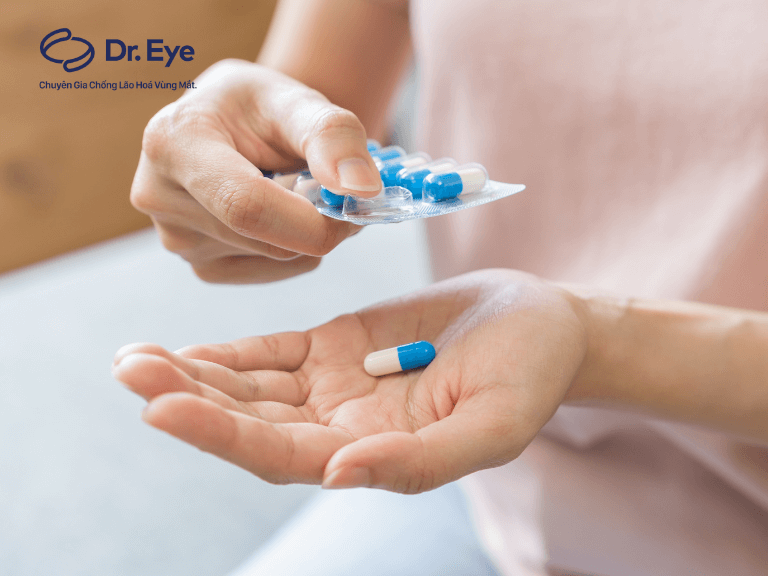
Below are some types of medication used to help reduce pain and limit the risk of infection after double eyelid surgery:
2.1. Antibiotics
Antibiotics work to prevent the growth of bacteria and help eliminate them, effectively reducing inflammation. Some antibiotics prescribed by doctors after double eyelid surgery include Cefuroxime, amoxicillin, oxacillin, etc.
2.2. Pain relievers
In fact, double eyelid surgery is a minimally invasive cosmetic procedure, so it typically does not cause much pain afterward. Usually, after the procedure, clients only feel a slight tingling sensation in the eyelids for the first few days. However, in some cases, individuals with sensitive skin may experience more pain, so the doctor may prescribeprescribe additional pain relief medications containing ingredients like Paracetamol,… to alleviate this sensation.
2.3. Anti-inflammatory and Edema Medications
Anti-inflammatory and edema medications can help suppress symptoms of swelling, pain, and redness around the wound. They also help prevent the spread of infection that could cause more serious damage. Some anti-inflammatory and edema medications that may be prescribed include Alpha chymotrypsin, Katrypsin, Nonsteroid,…
In addition to oral medications, the doctor may prescribe certain ointments to help prevent scarring and support faster wound healing, such as Tetracycline ointment, Vitagrand bruise medication,…
Note: You should only use oral and topical medications as directed by your doctor to ensure safety and avoid damaging the eyelid crease.

3. Duration of Medication After Non-Incisional Double Eyelid Procedure
After the non-incisional double eyelid procedure, the duration of medication may be within the first 7 – 10 days. Depending on the condition of each person’s eyelids, the doctor will provide appropriate instructions, and you need to follow the doctor’s guidance to help the eyelid crease no longer be painful andheal faster.
At Dr. Eye clinic, after upper eyelid surgery, the doctor will prescribe appropriate medications and provide dosage instructions for you. After returning home, if you still experience swelling or pain even after taking the medication, please contact Dr. Eye immediately at the hotline 0899 099 799 for the quickest support.
4. Important Notes When Taking Medication and Caring for Your Eyes After Non-Incisional Double Eyelid Procedure
During the process of taking medication and caring for the wound after the non-incisional double eyelid procedure, please keep the following in mind:
- Take medication as directed by the doctor, and do not adjust the dosage on your own.
- If you notice any unusual symptoms after taking the medication, inform the doctor immediately for timely intervention.
- Avoid stimulants such as tobacco, alcohol, and beer while taking medication to prevent affecting the wound or your health.
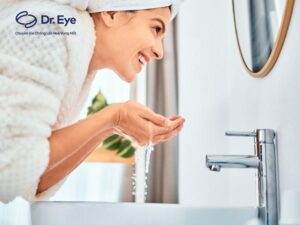
- Wash your hands thoroughly before cleaning to limit the spread of bacteria that could enter the body through the wound.
- Clean your eyes with saline solution daily to keep the wound clean.
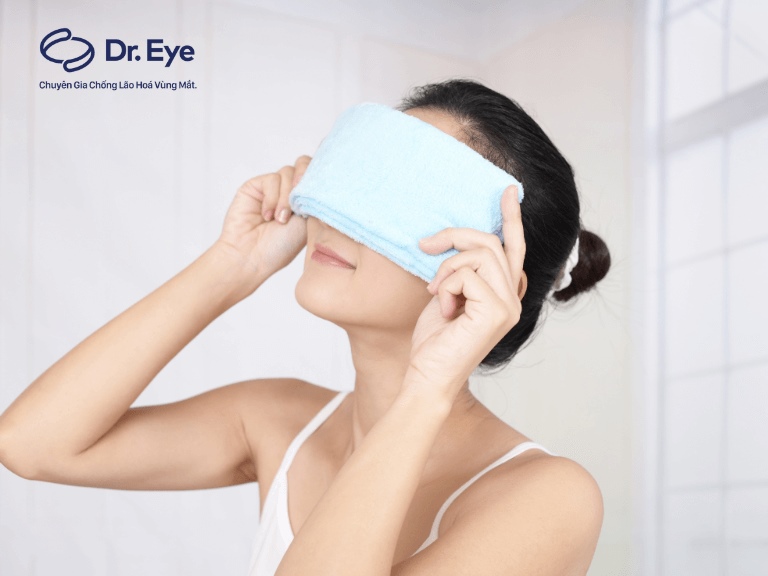
- Apply a cold compress after the non-incisional double eyelid procedure to reduce swelling.swelling.
- Avoid getting water, sweat, etc. on the wound and keep the area dry.
- Limit touching or applying pressure to the eyes to prevent infection.
- Minimize makeup and contact lens use until the wound is fully healed.
- Protect your eyes with sunglasses and a wide-brimmed hat whenever going outside.
Through this article, we hope to have provided answers to the question what medication to take after the double eyelid procedure. Please note that you should not take or apply any medication without a doctor’s prescription to avoid affecting your health and the healing process after the double eyelid procedure. Additionally, to minimize swelling and discomfort after the procedure, it is advisable to choose a reputable aesthetic clinic with experienced doctors from the outset.
As a trusted beauty destination, Dr. Eye – the FIRST center specializing in comprehensive anti-aging treatments for the eye area dedicated toEvery day, middle-aged women visit to enhance their “windows to the soul.” At Dr. Eye, a specialized aesthetic clinic, a team of highly qualified doctors with over 5 years of experience helps hundreds of clients rediscover beautiful and youthful eyes.Surgery times can be scheduled upon request (24 hours in advance).Does it affect your appearance?
References
- Kadaba VR – Ahluwalia H. Postoperative systemic antibiotic usage in elective eyelid surgery: is it really necessary?. 03/18/2021. https://pubmed.ncbi.nlm.nih.gov/33736568/ (accessed 08/01/2024)
- Tips to Reduce Swelling and Bruising After Eyelid Surgery. https://www.drbishsoliman.com.au/blog/tips-to-reduce-swelling-and-bruising-after-eyelid-surgery/ (accessed 08/01/2024)
Introduction Dr. Eye
Understanding the desire to preserve the youthful beauty of the eyes for middle-aged women, Dr. Eye offers modern solutions to address all aging issues around the eyes such as sagging eyelids, eye bags, crow’s feet,…


Related articles

![[Consultation] Can I eat duck after upper eyelid surgery? 4 things you need to know](https://dreye.vn/wp-content/uploads/2024/09/cat-mi-an-thit-vit-duoc-khong-ava.jpg)


 BOOK AN APPOINTMENT


