

Endoscopic double eyelid surgery: 6 important notes before performing
Endoscopic eyelid crease creation is a modern eyelid surgery method chosen by many people. This is a solution that brings you large, round eyes, with clear, natural, and harmonious eyelid creases quickly. However, to perform endoscopic eyelid crease creation safely and effectively, do not overlook the important notes in the article below.
1. What is endoscopic eyelid crease creation?
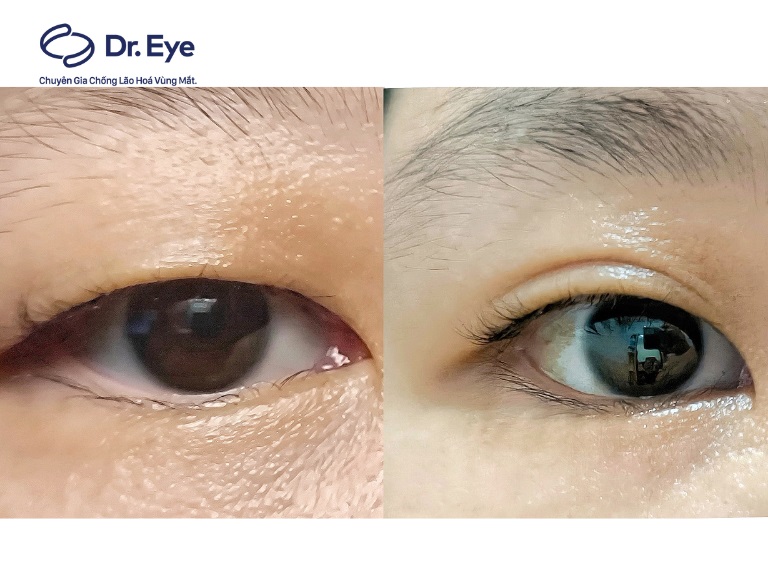
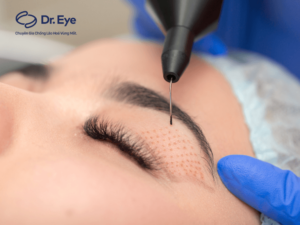
Endoscopic eyelid crease creation is a non-invasive eyelid crease shaping technique with high precision that helps the practitioner achieve naturally beautiful eyes with minimal pain. During the procedure, the doctor marks the points to be connected on the inner eyelid skin. Then, the doctor applies endoscopic techniques to skillfully thread cosmetic sutures through the marked points, connecting the eyelid cartilage with the inner skin. The special feature of this method is that the sutures are hidden beneath the eyelid skin, creating a new natural fold.
2. Indications and contraindications for endoscopic eyelid crease creation
Below are some subjects who should and should not undergo endoscopic eyelid crease creation:
2.1. Indicated subjects
definition
Some individuals are encouraged to perform endoscopic eyelid crease creation are:
- People aged 18 and over.
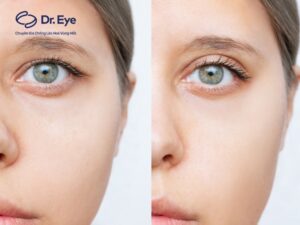
- People with small eyes, double eyelids, uneven eyelids, hooded eyelids.
- People who want to have beautiful double eyelids quickly, painlessly, and without surgery.
- People with skin that heals quickly, without blood disorders.
- People whose upper eyelids have not encountered serious aging issues such as eyelid fat, drooping eyelids,…
2.2. Contraindicated subjects
Those who should not perform endoscopic eyelid crease creation are:
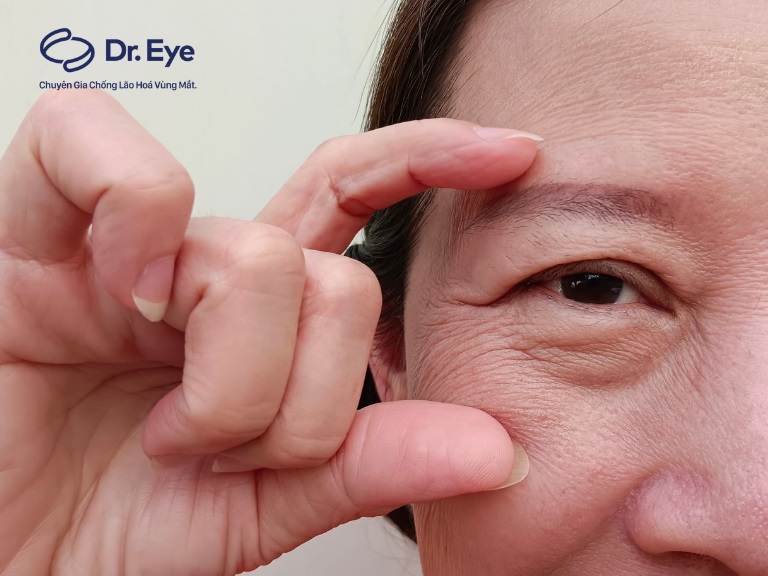
- People with serious aging issues around the eyes such as excess skin, sagging, crow’s feet, skin excess,…
- People with large eye bags, dark circles, lower eyelid fat.
- People suffering from conditions such as diabetes, hypertension, hemolysis,…
- Women who are menstruating, pregnant, or breastfeeding.

3. Advantages and limitations of endoscopic eyelid surgery
Before deciding whether to perform the endoscopic eyelid surgery method, do not overlook the analysis of the advantages and disadvantages below:
3.1. Advantages
The endoscopic eyelid surgery method has some advantages:
- Effective creation of two beautiful eyelid folds quickly.
- No surgical scars, minimizes swelling and pain after surgery.
- The method is non-invasive, ensuring safety for the person undergoing treatment.
- Quick recovery time.
3.2. Limitations
In addition to the advantages, this eyelid surgery method has some disadvantages such as:
- Endoscopic eyelid crease does not have long-lasting results like invasive methods.
- Not suitable for all subjects with aging issues such as sagging skin, many eye bags,…
- Requires high skill from the doctor.
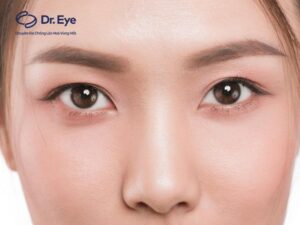
4. Detailed procedure for endoscopic eyelid crease
Let’s explore the detailed steps in the endoscopic eyelid crease procedure below:
- Step 1: The doctor examines the current condition of the eyelids of the person undergoing the procedure, then provides a suitable surgical plan to create the optimal eyelid fold.
- Step 2: The doctor clearly explains the condition, the person undergoing the procedure can preview the results after the endoscopic eyelid crease.
- Step 3: The person performing answers some information related to the pathology, allergies, and any medications being used if applicable,… After that, the doctor may instruct you to undergo some tests to ensure safety during the surgery.
- Step 4: The doctor measures and marks the positions to create the eyelid shape. This ensures that the results of the eyelid crease are beautiful and harmonious with the customer’s facial features.
- Step 5: Proceed to disinfect and anesthetize the upper eyelid area to help the customer not feel pain during the eyelid crease procedure.
- Step 6: The doctor performs the eyelid crease technique according to the positions drawn initially, then uses a specialized endoscope to insert the connecting thread without affecting the structure of the eyes.
- Step 7: The customer cares for the wound according to the doctor’s instructions. After that, you go to the hospital/clinic for a follow-up appointment as scheduled by the doctor.

5. Common symptoms after eyelid crease surgery
Below are some common symptoms after performing eyelid crease surgery that you should know:
- Eyelids are tight, painful, and bruised.
Regarding the eyelid crease service, customers can rest assured because Dr. Eye is an aesthetic facility fully licensed by the Department of Health. The doctors are highly skilled and ensure that the eyelid crease process is accurate, safe, and minimizes scarring. Customers are also closely accompanied by Dr. Eye from the examination, designing the treatment plan until complete healing, with beautiful, even eyelids that maintain long-lasting aesthetic results.
Dr. Eye also has a modern system of machines and surgical equipment to assist doctors in quickly and accurately performing the eyelid crease. Additionally, the operating room ensures sterility and cleanliness to maintain safety and prevent infections. Especially, after the minor surgery, the doctor guides customers on how to care for the wound, appropriate eating, and living habits to help the wound heal quickly.

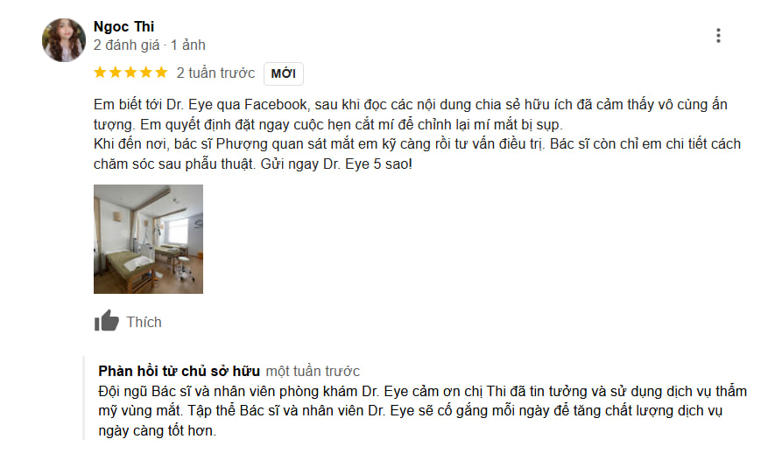
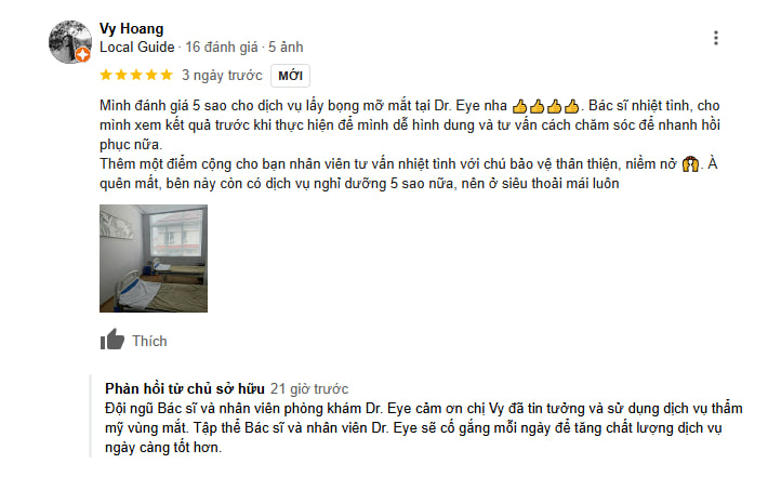
Dr. Eye’s doctor has excellent eyelid crease technique to help you perform the eyelid crease safely and effectively. Accompanying thousands of customers in changing the beauty of their eyes and regaining confidence, Dr. Eye has received a 5-star rating for service quality from many women such as:


Join Dr. Eye to regain the radiant, youthful beauty of your eyes with safe eyelid crease services and long-lasting results.Contact us now!
Request a callback for consultation
6. Effective eyelid care instructions after eyelid crease
To minimize complications, ensure the crease is beautiful and maintain long-lasting results, you can refer to the care instructions below:
- Apply ice as directed by the doctor for 1 – 2 days after the eyelid crease, helping to reduce swelling and bruising.
- Use pain relief medication (if any) as prescribed by the doctor, do not self-medicate.
- Do not apply eye makeup after the eyelid crease until the wound heals and the crease is formed.
- Absolutely do not use stimulants for 2 weeks after the surgery.
- Pay attention to your diet such as: drink plenty of water, supplement foods rich in vitamins A, C (carrots, tomatoes, oranges, papayas,…); avoid foods that mayprone to allergies, increased swelling potential like seafood, beef, chicken,…
- Follow-up as directed by the doctor, ensuring the eyelid crease recovers well after the procedure, helping to detect complications early.
Above are all the notes when performing endoscopic eyelid crease creation, helping you understand information about the new eyelid crease shaping method, thereby providing more options to own beautiful, round double eyelids. Especially, the decisive factor for a successful endoscopic eyelid crease creation is the doctor’s skill and the clinic’s facilities. Therefore, when deciding to perform endoscopic eyelid crease creation, you should choose a reputable and quality address to ensure safety and long-lasting aesthetic effectiveness.


References
- med.stanford.edu. Asian Double Eyelid. https://med.stanford.edu/cosmeticsurgery/aestheticservices/face/asian-double-eyelid.html (accessed on 18/02/2025).
Introduction Dr. Eye
Understanding the desire to preserve the youthful beauty of the eyes for middle-aged women, Dr. Eye offers modern solutions to address all aging issues around the eyes such as sagging eyelids, eye bags, crow’s feet,…


Related articles

![[Góc thắc mắc] How long does Nano double eyelid tape last?](https://dreye.vn/wp-content/uploads/2025/03/nhan-mi-nano-2-lop-giu-duoc-bao-lau-ava.jpg)


 BOOK AN APPOINTMENT


