


Can I eat guava after eyelid surgery? Notes on diet, care methods
Can I eat guava after eyelid surgery? is a question that many people ask after cosmetic surgery when they want to maintain a reasonable diet for quick wound recovery. Although guava is a fruit rich in vitamin C, good for skin and health, does it affect the healing process after eyelid surgery? Let’s find out in the following article!
1. Can I eat guava after eyelid surgery?
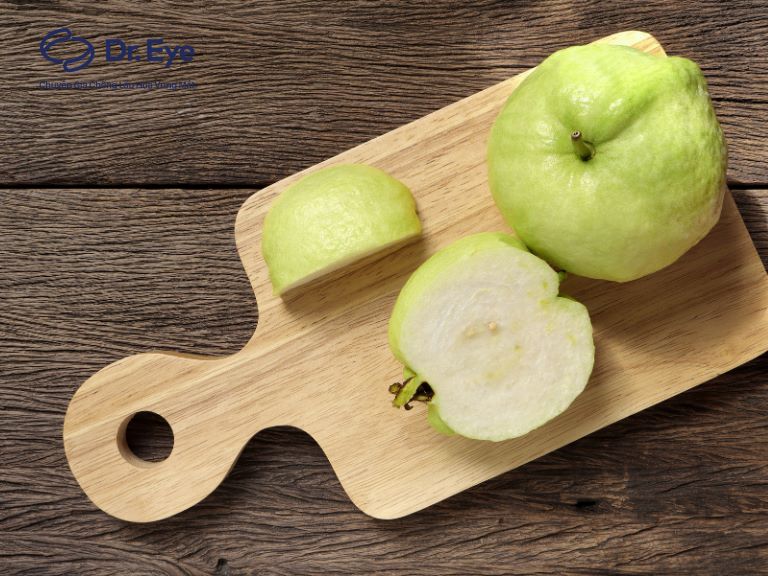
Guava is a tropical fruit rich in nutrients, particularly notable for its high antioxidant and fiber content. The fiber in guava helps support the digestive system and improve intestinal health. In particular, guava contains valuable nutrients such as vitamin A, potassium, manganese, and an amount of vitamin C that surpasses that of oranges. The vitamin C in guava not only helps boost the immune system but also supports the body in fighting off pathogens, helping the body maintain better health.
Thus, to answer the sisters’ question about whether can I eat guava after eyelid surgery, the answer is absolutely YES. Because when enjoying guava, the body will be provided with a large amount of nutrients and antioxidants, helping to enhance anti-inflammatory capabilities, reduce bruising, and stimulate the skin to produce collagen. As a result, the skin regeneration process will occur quickly and the eyelids will heal faster.
2. Notes when eating guava after eyelid surgery
After knowing whether you can eat guava after eyelid surgery, you can completely enjoy this fruit, but you need to pay attention to some things to avoid affecting the wound:
- Choose ripe guavas that are not bruised, have a balanced size, and are not deformed. If you see guavas with slightly rough, bumpy skin, you should choose them because those are the guavas that have more flesh than seeds and taste very good. If the guava skin looks smooth, shiny, and feels light in hand, it is usually bland, less sweet, and spongy.
- Choose guavas that do not contain chemicals, based on the natural characteristics of the fruit such as color, shape, and flavor. For example, still having the stem, crunchy texture, natural aroma,…
- Although guava is beneficial for health, if you have diabetes, eat in moderation and it is advisable to peel the guava before eating.
- For those with digestive issues, it is advisable to remove the guava seeds or crush them before eating to avoid causing difficulties fordigestive system.
- For those who are physically weak, consuming guava in the form of puree or juice will help the body absorb nutrients more easily.
3. Foods to eat and avoid after eyelid surgery
Overall, after eyelid surgery, the diet plays a very significant role in supporting the recovery process and helping the eyes quickly return to their natural beauty. Therefore, in addition to finding out if you can eat guava after eyelid surgery, you also need to pay attention to the foods to eat and avoid to ensure the results of the eyelid surgery last as long as possible!
3.1. Foods to eat
Below are 5 foods that should be added to the diet to help the skin regenerate quickly and heal wounds:
- Foods rich in healthy fats: Foods containing healthy fats such as fatty fish, grains, chia seeds, and cheese not only provide energy but also help the body effectively absorb fat-soluble vitamins, such as vitamins A, D, E, K,…
- Protein-rich foods: The diet of someone who has just had eyelid surgery should include enough protein, prioritizing lean protein sources from pork and fish, to boost collagen, help wounds heal quickly, and enhance the body’s antibacterial and anti-inflammatory capabilities.
- Fruits and vegetables: Vegetables are essential in the diet after eyelid surgery, especially those rich in vitaminsand minerals such as sweet potatoes, bell peppers, pumpkins, and carrots…
- Seaweed: Seaweed is a great food for those who have just undergone surgery because it is rich in vitamins K, A, C, and protein. Eating seaweed in moderation will help the eyelid incision heal quickly and prevent scarring.
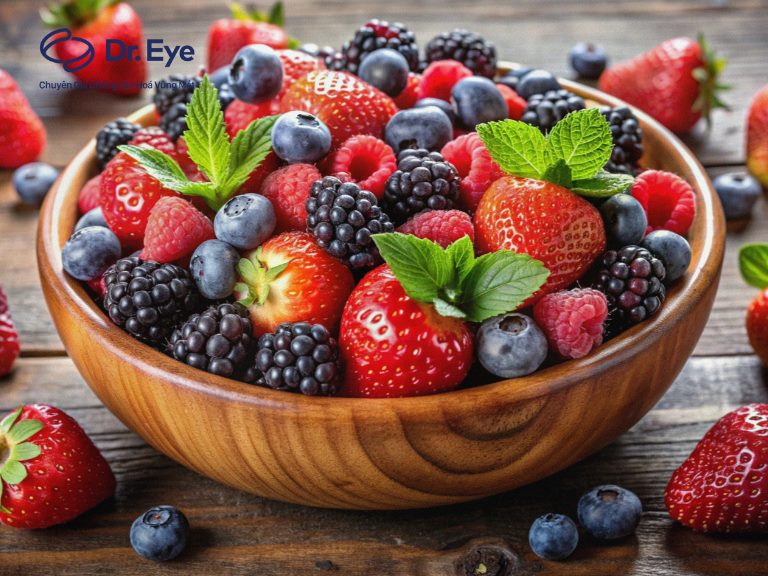
- Berries: Berries such as raspberries and blueberries are excellent sources of vitamin C and antioxidants, helping to boost immunity, support anti-inflammatory responses, and reduce the risk of allergies after surgery.
3.2. Foods to avoid
To ensure a smooth recovery after eyelid surgery and achieve the best results, doctors recommend that you avoid certain foods such as:
- Beef: Beef contains amino acids like Glycine and Proline that can cause bruising and stimulate keloid scarring, so you should not eat it for at least 4 weeks after surgery.
- Poultry: Chicken and duck meat have a warming nature, which can harm the eyelids, slow down the healing process, and cause keloid scarring,dark.
- Water spinach: You should avoid eating water spinach for at least 1 – 2 weeks after eyelid surgery. Accordingly, water spinach can increase collagen production, making it difficult for the eyelid crease to form properly and can lead to unsightly scars.
- Seafood: After eyelid surgery, you should avoid eating seafood such as squid, snails, shrimp,… for at least 3 to 4 weeks as they can cause irritation, pain, and prolonged itching.
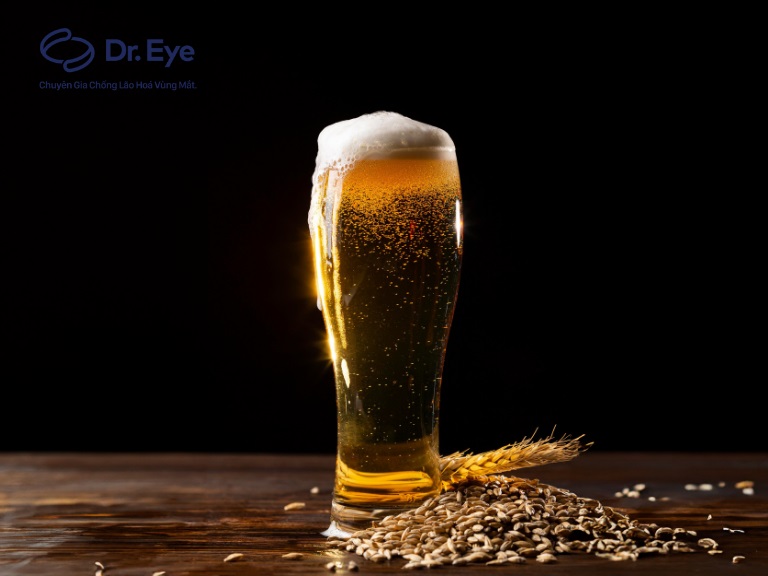
- Beer, alcohol, stimulants:Beer, alcohol, and stimulants can cause swelling, redness, pus, and itching, affecting the recovery process. Therefore, you should not consume these beverages not only before but also after eyelid surgery to ensure the eyelids heal properly and quickly.
4. What should be done for the wound after eyelid surgery to heal quickly?
In addition to paying attention to your diet, proper habits and care measures will help the wound after eyelid surgery recover quickly and safely.
4.1. Proper eyelid care
YouYou should follow the eyelid care instructions to protect your eyelids from infection and promote quick healing. Specifically:
- Use a cotton swab soaked in saline solution to gently wipe the eyelids and around the eyes twice a day in the morning and evening to keep the eye area clean.
- After eyelid surgery, you should apply a cold compress to the eye area within the first 24 hours. This helps reduce swelling and control inflammation.
- After the third day, you can start applying a warm compress gently to dissolve bruising and reduce swelling. Each compress should last from 5 to 15 minutes, performed about 3 – 4 times a day.
- To prevent infection, you need to keep this area dry. You can use gauze or a cotton swab to gently dab the wound, avoiding strong impacts on the eye area.
- Additionally, to support the recovery process, you should sleep with your head elevated above your chest for a few days.
- Don’t forget to wear sunglasses to protect the sensitive skin around the eyelids from the effects of sunlight and wind, helping to maintain long-lasting aesthetic results.

| *When performing eyelid surgery at Dr. Eye clinic, the doctors will carefully guide you through the steps of caring for your wound at home, including how to clean your eyes, a proper diet, and reasonable activities to help the wound heal quickly and minimize unwanted complications. In addition, the staff at Dr. Eye will always accompany you throughout the recovery process, frequently calling to monitor your health and the progress of the wound. If any issues arise, do not hesitate to share, so that the Dr. Eye team can support you promptly and thoughtfully. |
4.2. Take medication as prescribed by the doctor
You should strictly follow the doctor’s instructions, take pain relief medication at the correct dosage, and return for follow-up appointments as scheduled to ensure a smooth recovery process. At the same time, consult your doctor about the necessary topical medications that will help the wound heal quickly. Using medication correctly will promote the healing process, reduce swelling, and achieve satisfactory surgical results.and aesthetics. Thanks to this, you will have sharp and beautiful eyelids as expected.
At Dr. Eye, after eyelid surgery, you will receive a special medication package, including antibiotics to prevent infection and pain relievers to soothe discomfort. Accordingly, each prescription is meticulously prescribed by the doctor and tailored to the individual health condition of each patient, aiming to minimize swelling and provide a naturally beautiful surgical result.

4.3. Follow-up appointment on time
Following up on time is very important for the doctor to monitor the wound and ensure the recovery process is on track. Moreover, this helps to timely detect any issues if they arise, thereby allowing for appropriate intervention measures to achieve the best surgical results.
At Dr. Eye, the doctor will schedule a follow-up appointment after 7 days to check the condition of the wound, provide free plasma treatment to prevent bad scars, and simultaneously clean and disinfect the wound. This process not only supports quick recovery but also helps the wound heal naturally. When the wound is stable, the doctor will proceed to remove the stitches, completing the treatment process.
Please make an appointment with Dr. Eye or contact Hotline 0899 099 799 today. The team of doctors with high expertise and many years of experience will advise on suitable aesthetic solutions, helping you restore the natural, youthful beauty of your eyes to feel more confident!. Request a callback for consultation So, after finding out the answer to the question can I eat guava after eyelid surgery, you can rest assured that eating guava helps supplement the necessary nutrients and is very good for women who have just had eyelid surgery. However, it is important to note a few things when eating guava after eyelid surgery to ensure the best recovery of the eyelids and maintain a beautiful crease! Ms. Ngoc Anh shared that she was truly impressed with the skills of Dr. Eye, just after 14 days, her eyelids had changed significantly, and her face looked much younger.
References
- Mayo Clinic Staff. Blepharoplasty. 24 06 2022. https://www.mayoclinic.org/tests-procedures/blepharoplasty/about/pac-20385174 (Accessed 21 11 2024)
- WebMD Editorial Contributor. Health Benefits of Guava. 03 07 2023. https://www.webmd.com/diet/health-benefits-guava (Accessed 21 11 2024)
Introduction Dr. Eye
Understanding the desire to preserve the youthful beauty of the eyes for middle-aged women, Dr. Eye offers modern solutions to address all aging issues around the eyes such as sagging eyelids, eye bags, crow’s feet,…


Related articles




 BOOK AN APPOINTMENT


