

Can I eat snails after upper eyelid surgery, and for how long should I avoid them?
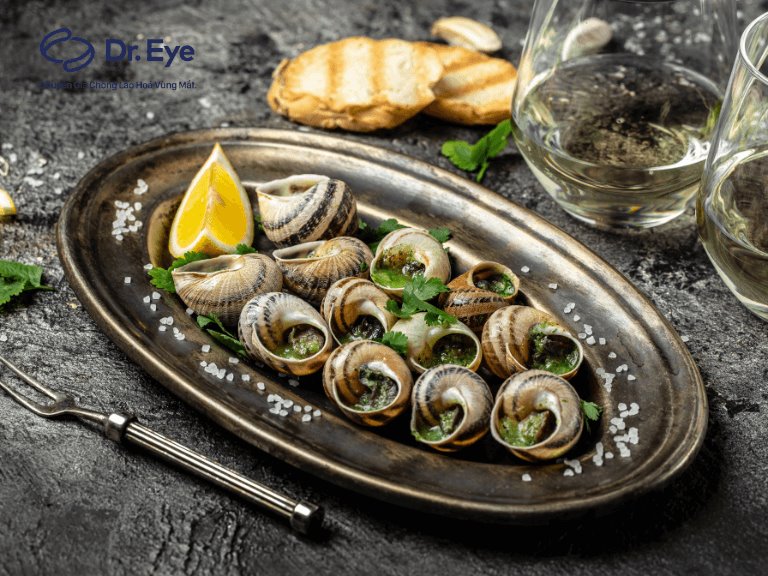
Can you eat snails after upper eyelid surgery? is a common concern among many clients. Snails are a type of seafood rich in nutrients beneficial for health, such as magnesium, phosphorus, and vitamin E,… However, many reports indicate that snails have a strong odor, which may cause allergic reactions in sensitive individuals with fresh wounds. If you are also wondering about this, let’s find the answer in the following article.
1. Can you eat snails after upper eyelid surgery?
After upper eyelid surgery, you should avoid eating snails, as traditional medicine suggests that snails have cold and strong properties, which can easily lead to allergies, itching, discomfort, and may cause the wound to become pus-filled or infected. Additionally, the cold nature of snails may inhibit blood clotting, prolonging the healing process. The high vitamin E content in snails (meeting 28% of the body’s needs) may also contribute to prolonged swelling and the potential for raised scars.
Moreover, to enhance the flavor of snails, spicy seasonings such as pepper, chili, and garlic are often added, which can interfere with the blood clotting process and wound healing. If you have a sensitive constitution, improperly cooked snails may cause stomach pain, diarrhea, or digestive disorders, affecting your recovery process.
2. How long should you avoid eating snails after upper eyelid surgery?
Depending on individual healing ability and body condition, the duration of avoiding snails after upper eyelid surgery will vary. If the incision is healing well and has progressed past the initial healing phase, you may eat snails after 2 to 4 weeks. However, for those with sensitive skin prone to scarring, it is advisable to avoid snails until the eyelid wound has fully healed, specifically for 1 to 2 months.

3. Can you eat other seafood after eyelid surgery?
Clams, freshwater crabs, various types of fish, etc., are delicious seafood options. However, can you eat these after upper eyelid surgery? Let’s explore the detailed answer below.
3.1. Clams
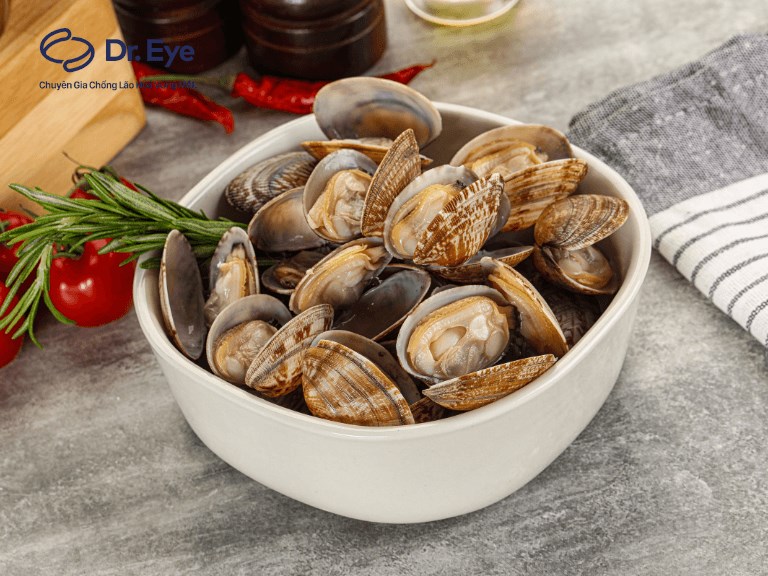
Clams are a type of seafood rich in vitamin C, which helps boost the immune system and supports wound healing. However, clams also have a cooling property that may cause allergic reactions, affecting the healing process. Additionally, consuming clams before the eyelid crease has fully healed may increase the risk of scarring.
Therefore, to ensure the desired results from your eyelid surgery, it is recommended to avoid clams for 1 to 2 months after the procedure.

3.2. Freshwater Crabs
Freshwater crabs are known to be a seafood rich in essential nutrients for the body, such as magnesium, calcium, phosphorus, and iron, which play an important role in protecting the skeletal system. However, for open wounds like those from eyelid surgery, consuming crabs may cause allergies, infections, or pus formation. This can lead to redness, tightness, and delayed recovery of the eyelid crease.
Therefore, you should avoid eating freshwater crabs for about 15 days after upper eyelid surgery, and do not consume more than 500g per meal to prevent digestive issues.
3.3. Types of Fish
Fish is a source of food rich in protein, fats, vitamins, and other beneficial nutrients that can aid in the healing process and skin cell regeneration. Additionally, fish is not part of the shellfish group, which means it has a lower risk of causing allergies. Therefore, you can eat fish after 7 days post-surgery, ideally around 200g per meal, while monitoring your body’s reactions to ensure it does not affect the healing process.
In summary, should you eat seafood after eyelid surgery? The answer is no; you should wait until the wound gradually heals and the skin begins to regenerate before reintroducing these foods.seafood. This ensures a smooth recovery process, preventing keloid and darkening at the eyelid incision site.
|
Foods to Avoid After Upper Eyelid Surgery for Faster Healing To promote faster healing after upper eyelid surgery and achieve the desired eyelid crease, in addition to seafood, you should avoid the following foods:
|
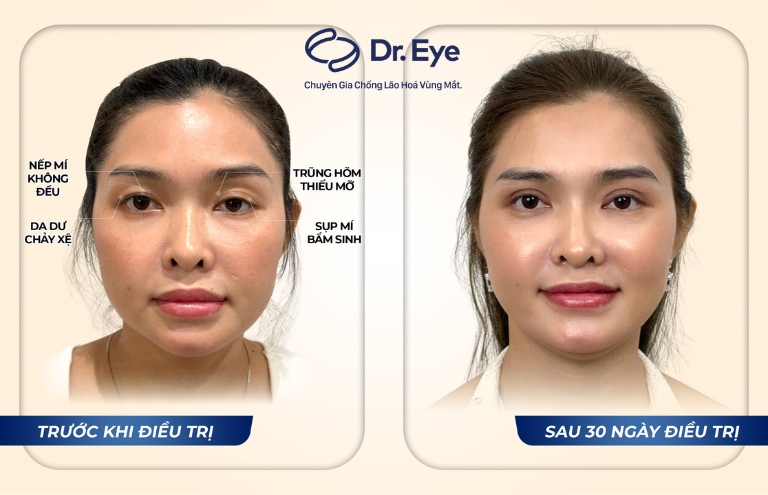
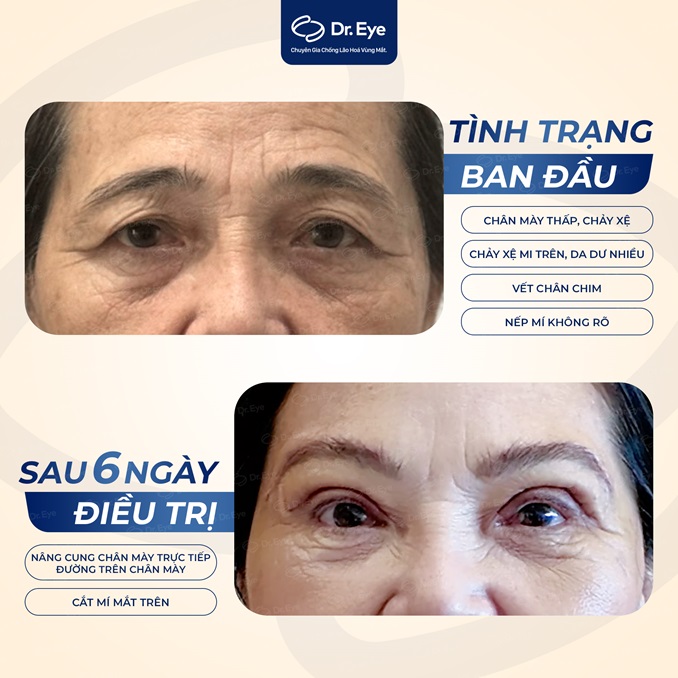
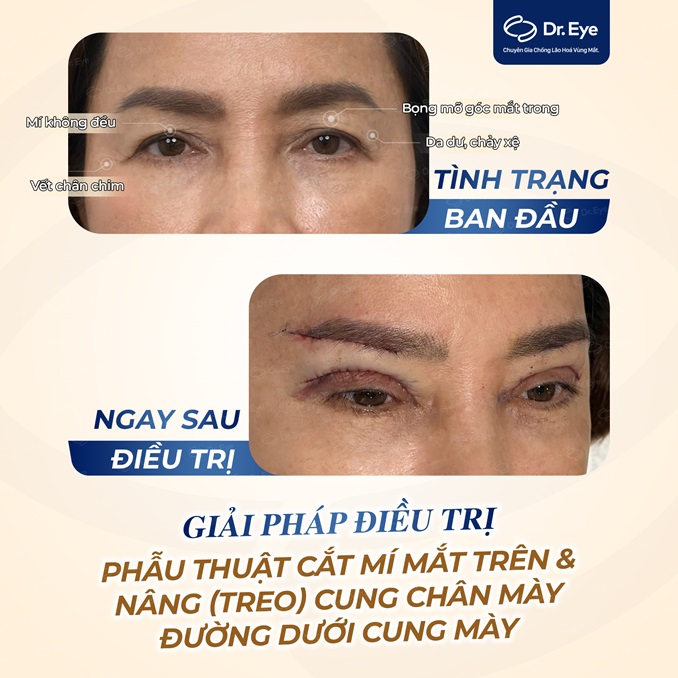
RegainRestore youthful eyes with our specialized upper eyelid surgery and reasonable pricing at Dr. Eye. Contact Dr. Eye for a detailed consultation!
Introduction Dr. Eye
Understanding the desire to preserve the youthful beauty of the eyes for middle-aged women, Dr. Eye offers modern solutions to address all aging issues around the eyes such as sagging eyelids, eye bags, crow’s feet,…


Related articles





 BOOK AN APPOINTMENT


