

Guide to Reducing Eye Swelling After Upper Eyelid Surgery and Important Considerations
Swelling after upper eyelid surgery is a normal occurrence and will resolve on its own if you take proper care. Be sure to keep the methods for reducing swelling after upper eyelid surgery in mind from the following article to minimize this condition and help your recovery.
1. Effective Methods to Reduce Swelling After Upper Eyelid Surgery
Below are some effective methods to reduce swelling after upper eyelid surgery that you can refer to:
1.1. Cold Compress to Reduce Swelling and Pain
If you’re unsure what to do after upper eyelid surgery to reduce swelling, you can apply a cold compress. The temperature of ice or cold water will constrict blood vessels, allowing them to relax, thereby effectively reducing swelling and pain.
How to do it: Place small ice cubes in a clean plastic bag and wrap it with a soft, clean cloth, then apply it around the eye area. You should do this 2 – 3 times a day, for 10 – 15 minutes each time. Note that you should apply the cold compress for 24 – 48 hours after eyelid surgery to reduce swelling. Additionally, avoid placing the cold compress directly on the wound, as it may cause frostbite, and water coming into contact with the incision could lead to infection.
1.2. Warm Compress for the Eyelids
After the cold compress period, you should apply a warm compress to the eyelid area to better support the reduction of swelling and pain. When the heatThe warmth helps to dilate capillaries, enhance blood circulation, and nourish cells, thereby helping to quickly alleviate pain, reduce bruising, and promote faster healing of wounds.
How to reduce eye swelling after upper eyelid surgery with warm compresses: Use a clean towel soaked in warm water, then wring it out and apply it to the wound for about 10 minutes. You should only apply warmth after 48 hours post-surgery. Be careful not to use water that is too hot, as it may cause skin burns, irritation, and redness.
1.3. Elevate your head while resting or sleeping
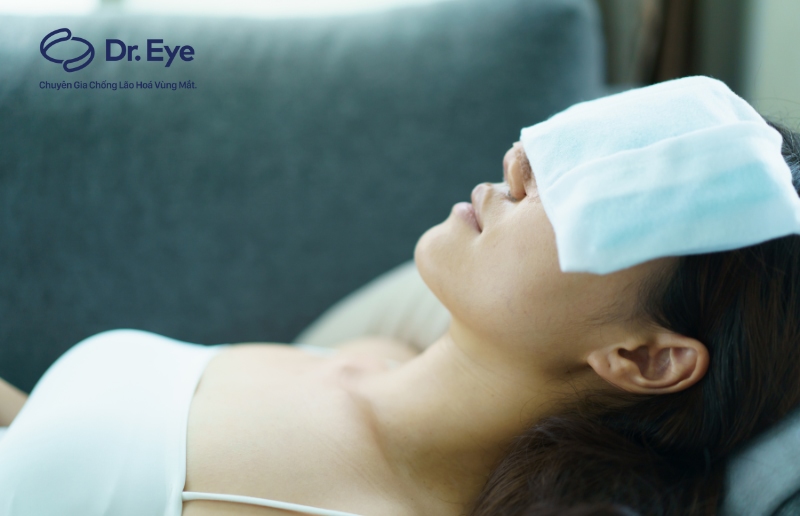
If you are wondering how to reduce swelling quickly after upper eyelid surgery, elevate your head while sleeping or resting. This will reduce fluid pressure in the tissues around the eyes, promoting blood circulation and effectively reducing eye swelling. You should practice this method in the first few days after surgery, and you may use a pillow to support a more comfortable sleeping and resting position.
1.4. Take medication as prescribed by your doctor
Typically, after upper eyelid surgery, the doctor will prescribe medication to manage pain and reduce swelling quickly. Therefore, you must take the medication as directed and should not stop taking it on your own.replace with other medications.
1.5. Drink enough water every day
During the wound care phase after upper eyelid surgery, you should drink at least 2 liters of water daily. This not only helps alleviate swelling and pain symptoms, reducing the side effects of anesthetic medications, but also supports better blood circulation to promote healing time. Additionally, adequate hydration helps maintain skin moisture and prevents dryness and peeling, thereby avoiding bleeding and infection at the wound site.
1.6. Accompany with sunglasses to protect the eyelid crease
Wearing dark sunglasses for the first few weeks after surgery helps protect the eyes from the harmful effects of UV rays from sunlight or dust that can affect the wound. Limiting these impacts on the incision will reduce swelling and pain around the eyes, leading to faster healing.
1.7. Use fresh turmeric juice to reduce eyelid swelling
Due to its curcumin content, which has anti-inflammatory and antibacterial properties, fresh turmeric is widely recommended as a home remedy to reduce swelling after upper eyelid surgery.
How to do it: Choose large fresh turmeric roots, then wash them thoroughly and grind or mash them. Next, take the fresh turmeric juice and apply it to the skin around the incision.
Note: Although it is a natural ingredient, the possibility cannot be ruled outmay cause irritation, especially for those with sensitive skin. Therefore, to ensure safety, you should test applying turmeric on the skin of your arm before using it around the eye area.
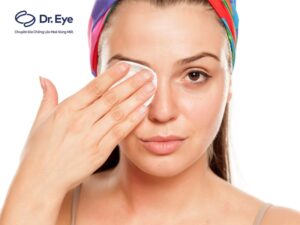
1.8. Properly Cleaning Eyelid Surgery Wounds Helps Reduce Swelling
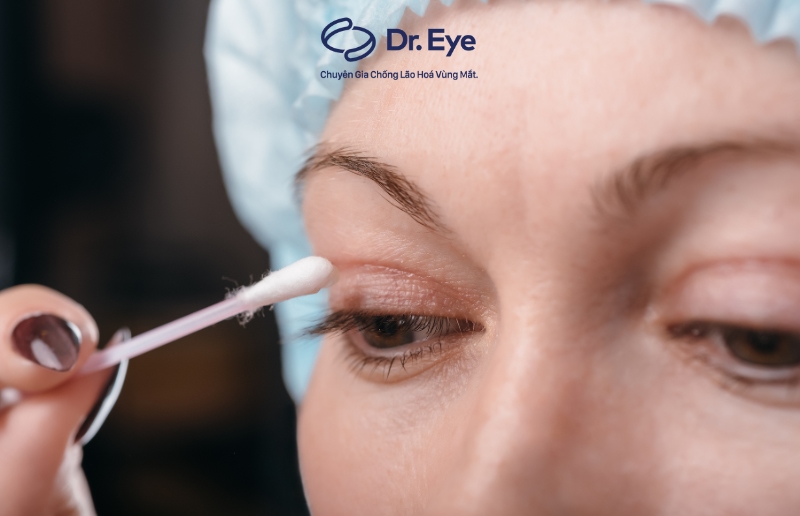
Properly cleaning the eyelid surgery wound helps remove dirt and debris, thereby reducing swelling and pain in the eye area and preventing scar formation.
Here’s how to do it: Use medical cotton or a cotton swab soaked in a diluted saline solution to gently clean the eyelid wound.
Note:
- Wash your hands with soap before cleaning the eye area; do not use your hands directly as this may allow bacteria to enter the wound.
- When performing the cleaning, be very gentle to avoid applying strong pressure on the eyelid area.
1.9. Healthy Eating Habits
If you are wondering what to do after eyelid surgery to reduce swelling, do not overlook the importance of establishing a healthy diet. Providing all essential nutrient groups is crucial. (proteins, fats, carbohydrates, vitamins, and minerals) for the body helps enhance health and shorten recovery time, allowing swelling to heal quickly. For example, pork, soybeans, almonds, walnuts, fresh milk, yogurt, celery, carrots, tomatoes, pineapple, kiwi, strawberries, spinach, broccoli,…
Additionally, it is important to avoid foods such as beef, seafood, chicken, water spinach, sticky rice, spicy foods, greasy foods, alcohol, beer,… as they may cause allergic reactions, lead to keloid scars, and prolong the healing time of wounds.
1.10. Avoid bad habits that affect the recovery process of the eyelids
In addition to implementing ways to reduce swelling, you should avoid bad habits that may cause eyelid swelling after surgery, such as:
- Touching, rubbing, or scratching the eyelid crease.
- Wearing makeup or contact lenses before the wound has fully healed.
- Using facial cleansers, exfoliants,… before the wound has healed.
- Excessive use of phones, TVs, reading newspapers, working,… causing eye strain.
- Intense physical activities or sudden head movements, hot baths, saunas, swimming,… may cause the eyelid crease to become misaligned.
2. Upper Eyelid SurgeryHow many days does it take for the eyelids to stop swelling?
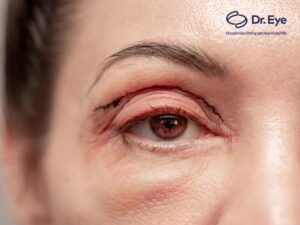
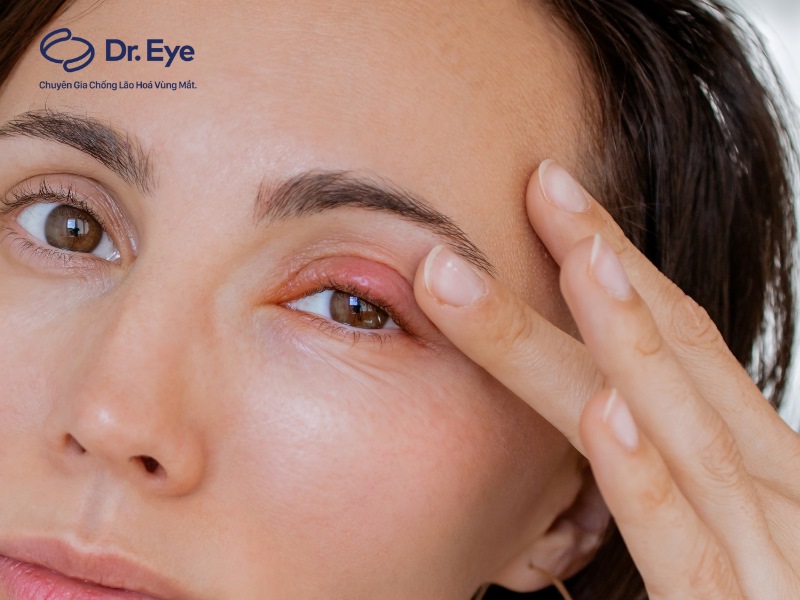
The swelling of the eyelids typically subsides within 5 to 7 days after upper eyelid surgery. However, the duration of swelling can vary from person to person depending on individual factors, the skill of the performing doctor, and post-operative care. In some cases, eyelids may remain swollen for up to 10 days.
3. When should you see a doctor for swollen eyelids?
Swelling after upper eyelid surgery is normal and will gradually decrease, so there is no need to worry. However, if you experience symptoms such as prolonged dryness for more than 2 weeks, severe pain, excessive swelling, or changes in vision, you should contact your doctor immediately for timely intervention.

Recognizing the signs of aging around her eyes affecting her confidence, after much research, she chose to place her trust in Dr. Eye to perform a combination treatment: Upper eyelid skin removal – Brow lift under the brow – Upper eyelid fat grafting. “After the treatment, even just one week later, I see the results are amazing. All my concerns have been addressed, and I feel my eyes are younger and brighter; looking in the mirror feels like I’m back to being 18 years old,” Ms. Nhi happily shared.

Let’s listen to Ms. Phuong Nhi’s experience on her journey to regain youthful eyes at Dr. Eye through the video below:
In addition to Ms. Phuong Nhi, many clients after upper eyelid surgery at Dr. Eye are also satisfied with their treatment results:


Contact us to schedule an appointment today, so Dr. Eye can accompany you on your journey to regain youthful, radiant eyes.
Detailed Information:
- Address: 07 Nguyen Co Thach, An Loi Dong Ward, District 2 (Sala Area), Thu Duc City, Ho Chi Minh City.
- Dr. Eye Consultation Hotline: 0899 099 799
Request a callback for consultation
References
- Dr. Guy Watts, “10 Aug Swelling And Bruising After Blepharoplasty”, https://guywattsplasticsurgeon.com.au/blog/swelling-and-bruising-after-blepharoplasty/ (accessed 28/05/2024)
- WebMd, “Blepharoplasty (Eyelid Surgery)”, https://www.webmd.com/beauty/cosmetic-procedures-eyelid-surgery (accessed 28/05/2024)
- Mayo Clinic, “Blepharoplasty”, https://www.mayoclinic.org/tests-procedures/blepharoplasty/about/pac-20385174 (accessed 28/05/2024)
- Capital Facial Plastic Surgery, “How to Reduce Eyelid Swelling After Blepharoplasty for a Comfortable Recovery”, https://www.capitalfps.com/reduce-eyelid-swelling-after-blepharoplasty/ (accessed 05/28/2024)
- Karidis, “HOW TO REDUCE EYE SWELLING AFTER BLEPHAROPLASTY”, https://www.karidis.co.uk/our-blog/how-to-reduce-swelling-after-eyelid-surgery/ (accessed 05/28/2024)
Introduction Dr. Eye
Understanding the desire to preserve the youthful beauty of the eyes for middle-aged women, Dr. Eye offers modern solutions to address all aging issues around the eyes such as sagging eyelids, eye bags, crow’s feet,…


Related articles


 BOOK AN APPOINTMENT


