

Reasons for Swelling One Month After Upper Eyelid Surgery and Effective Solutions
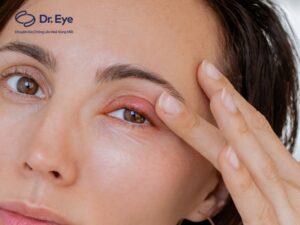
Swelling around the eyelid area after surgery is completely normal and will subside within a few days to about a week or a few weeks. However, in some cases, swelling may persist for a month after upper eyelid surgery, causing aesthetic concerns and inconvenience in daily activities. To understand the causes of this condition and how to address it, let’s continue reading the article below with Dr. Eye.
1. How long does swelling from eyelid surgery typically last?
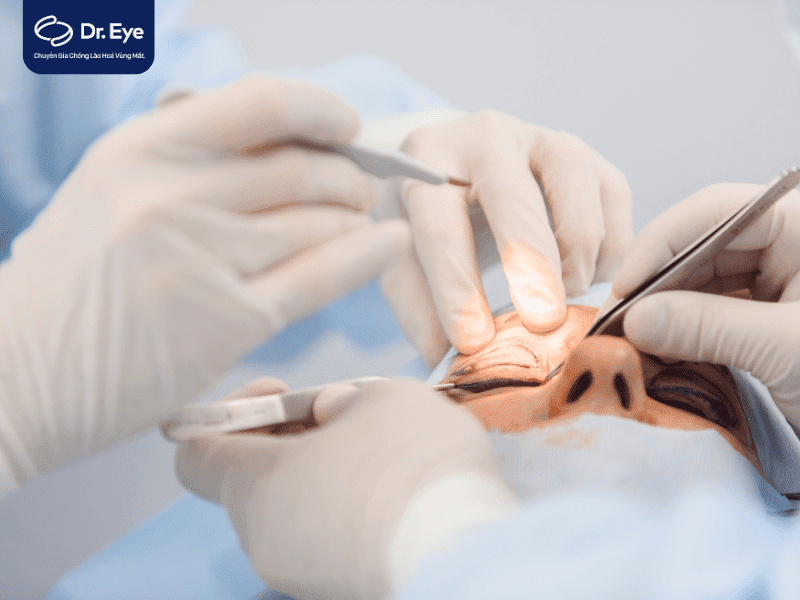
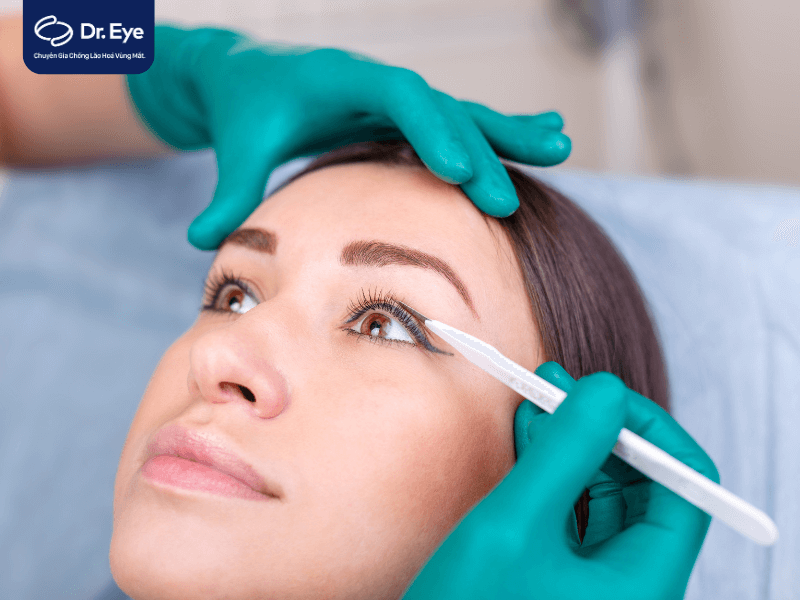
Upper eyelid surgery is a simple procedure to remove excess skin and fat from the eyelids, helping to create a more defined, beautiful, and natural eyelid crease. This procedure is suitable for clients with monolid eyes, hidden eyelid creases, or those with uneven double eyelids or multiple creases; clients who have ptosis due to excess fat and sagging skin.
Most surgeries require a recovery period to achieve optimal results, and upper eyelid surgery is no exception; the recovery process will go through several different stages.
Typically, within 1 to 3 days after surgery, the eyelids may experience swelling, mild pain, and bruising, depending on individual physiology and pain tolerance.people, but it will significantly improve after 7 – 10 days if proper care is taken. Note that the healing time for eyelid surgery varies depending on individual constitution and care methods.
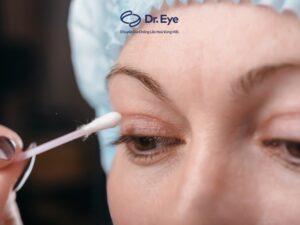
2. Why is there still swelling after 1 month of eyelid surgery?
In fact, there are many cases where swelling persists after 1 month of eyelid surgery due to the following reasons:
2.1. Low-quality aesthetic facility
The reason for swelling after 1 month of eyelid surgery is mostly due to procedures performed at untrustworthy aesthetic clinics, where the doctor may have used incorrect techniques, and the surgical process did not meet sterile standards… This can lead to damage to the eyelid lifting muscle, causing the eyelids to droop, and in severe cases, paralysis of the lifting muscle may harm the cornea and affect vision.
Therefore, choosing a reputable aesthetic facility with highly qualified and experienced doctors is crucial for achieving naturally beautiful eyelids. Additionally, facilities equipped with modern technology and procedures that meet the Ministry of Health’s standards will ensure safety, minimize complications, and reduce swelling.
2.2. Incorrect post-operative care
The condition of swelling persisting after 1 month may be due to improper post-operative care. Here are some common mistakes in post-operative care that many clients make:
- Improper eye hygiene: Not cleaning the eyes properly or usingThe strong impact on the eyelid area can cause bleeding, making it easier for bacteria to invade and lead to infection, resulting in swelling and prolonged healing.Additionally, during upper eyelid surgery, the soft tissue around the eyes and the capillary system are affected. This can hinder blood circulation and nutrient supply to the cells, leading to swelling around the eyes.Eyes:
- Cold Compress: This is one of the effective ways to reduce eye swelling, as the low temperature decreases blood flow, reduces oxygen consumption, and the permeability of white blood cells, numbing the area where the cold compress is applied, thereby reducing swelling and pain.
How to apply a cold compress: Place ice in a clean cloth or compress bag, crush it into small pieces for even distribution around the eyes. Apply to the eyes for about 10-15 minutes, then remove the cloth and pat the eyes dry, applying the compress within the first 24-48 hours after surgery.
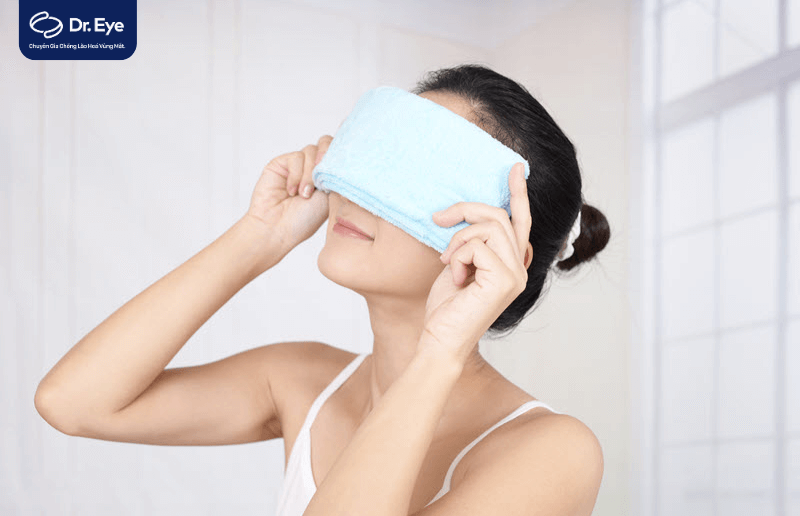
- Warm Compress: The warmth from a warm compress helps dilate blood vessels, promotes blood circulation, and reduces nerve stimulation to the eyes, providing a relaxing effect that alleviates pain and irritation for the eyes.
How to apply a warm compress: Soak a cloth in warm water and wring it out. Then fold the cloth into a rectangle and place it over the eyes for a maximum of 10 minutes, starting from the third day after surgery.

A warm compress around the eyes helps improve blood circulation, thereby soothing pain and reducing swelling of the wound. Note: Warm and cold compresses should only be applied when swelling is at a mild level, mouthThe wound has completely dried. When performing, you need to handle gently and monitor the condition of the eyelids; if swelling worsens, do not apply heat/cold anymore.
Additionally, you need to pay attention to:
- Elevate your head while sleeping to promote blood circulation and help reduce swelling.
- Clean the incision with saline solution as directed by your doctor, and use eye drops every hour and ointment for 4 weeks after upper eyelid surgery to help reduce swelling and promote healing.
- Gently perform eye area massage exercises to prevent blood from pooling in the eyes, helping to reduce swelling.
- Follow your doctor’s instructions and attend follow-up appointments as scheduled, so the doctor can monitor the healing process and assess the results after upper eyelid surgery. Additionally, timely address any unusual symptoms.
- If swelling persists 2 months after upper eyelid surgery, the best course of action is to contact your doctor for appropriate solutions.
I hope the above information has helped clarify some questions regarding the causes and remedies for swelling after upper eyelid surgery. If swelling persists after 1 month and is not addressed promptly and correctlyThis can lead to unsightly scarring, uneven eyelid creases, resulting in poor eyelid surgery outcomes.
To prevent this situation, it is best for women to choose a reputable aesthetic clinic from the start. The skill of the doctor is a crucial factor that determines the final result, ensuring that the eyelid crease is even and harmonious with the face while minimizing the risk of complications.
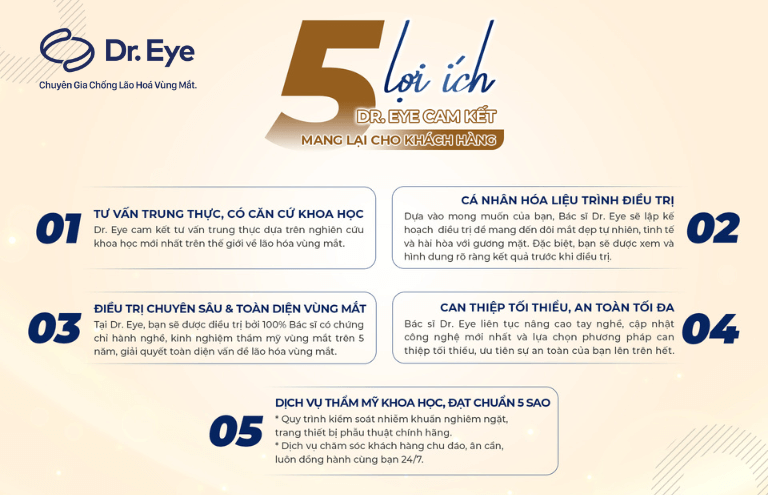
If you are looking for a reputable aesthetic clinic licensed by the Ministry of Health, consider Dr. Eye. This is the first center specializing in comprehensive anti-aging treatments for the eye area, offering a variety of services including upper and lower eyelid surgery, non-incisional double eyelid procedures,…
When undergoing aesthetic procedures at Dr. Eye, clients can feel assured with many outstanding advantages such as:

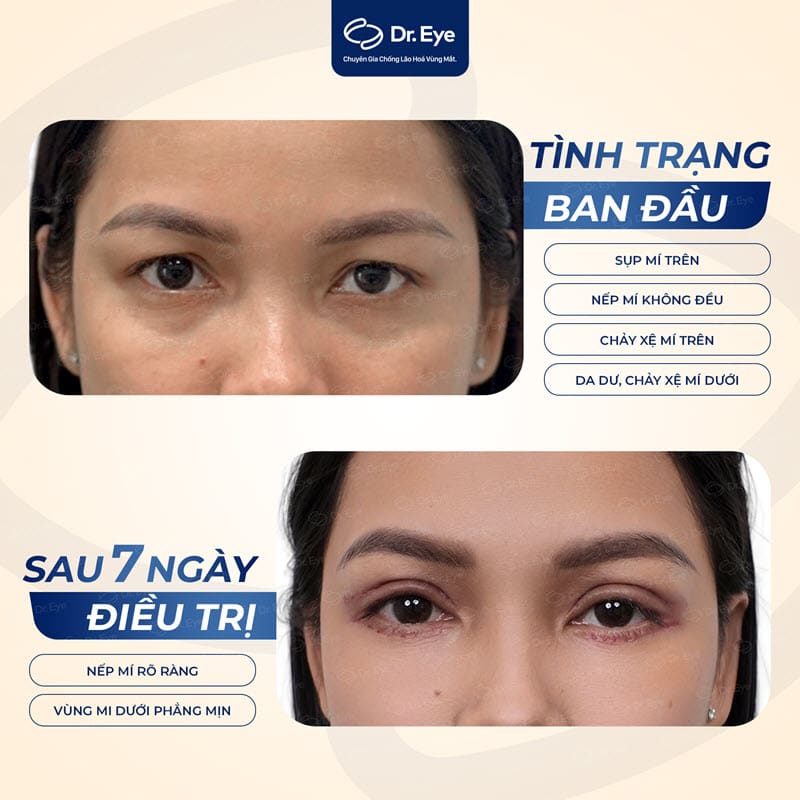
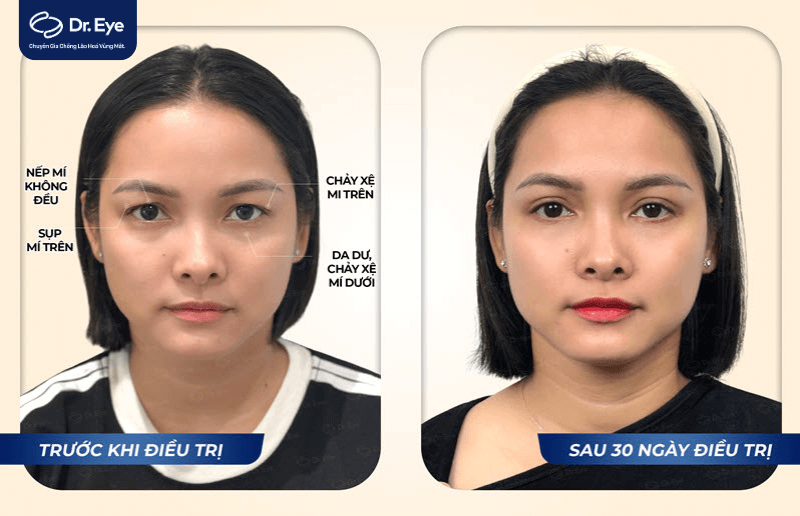
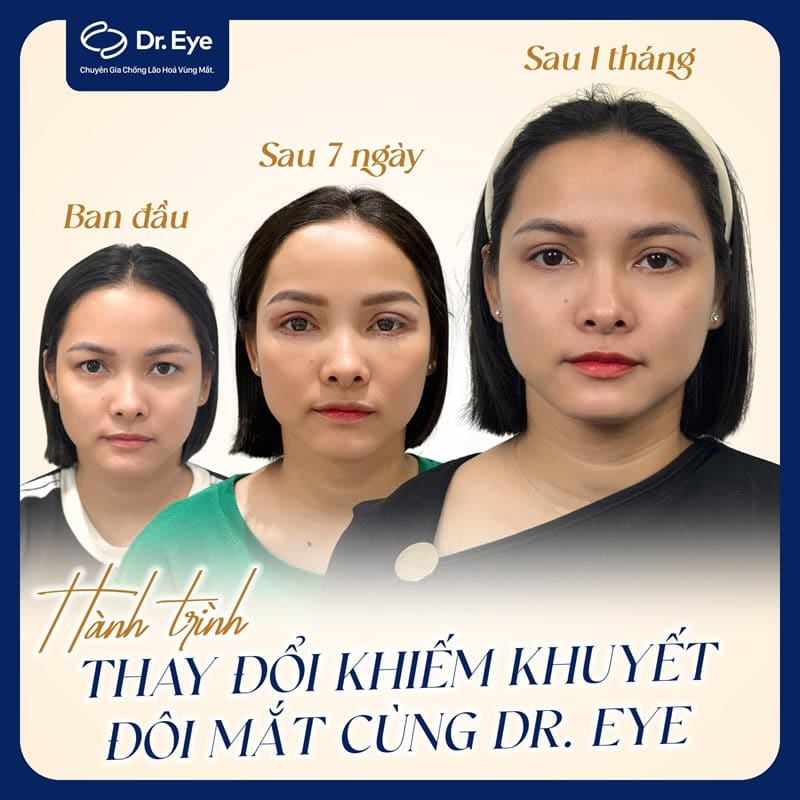
A clear example is the case of Ms. Tran Thi Thuy Giang (29 years old, Dong Thap), who came to Dr. Eye for upper and lower eyelid surgery to create a new, even eyelid crease and address sagging skin. Due to her tendency to bruise and swell, after 7 days, her surgical area still had slight bruising, but the shape of the eyelid crease had significantly improved. It only took about 3 – 4 weeks after that for her eyelid crease to fully settle.Giang has recovered, with no more swelling or pain, and her lower eyelid is smoother and more refined.

Thanks to the doctor’s precise technique in performing upper eyelid surgery, Giang has achieved a beautiful, harmonious eyelid crease that does not cause swelling, pain, bruising, or scarring. After one month, the eyelid crease is completely stable, and the swelling has gradually reduced since day seven, giving Giang a new, vibrant, confident, and beautiful look. Don’t hesitate, contact Dr. Eye today to begin your journey to restore the natural, harmonious, youthful beauty of your eyes!

References
- Dan Mills Md “HOW LONG IS RECOVERY AFTER EYELID SURGERY?”, https://www.danmillsmd.com/eyelid-surgery/how-long-is-recovery-after-eyelid-surgery/ (accessed 05/28/2024)
- Dr. Guy Watts, “10 Aug Swelling And Bruising After Blepharoplasty”, https://guywattsplasticsurgeon.com.au/blog/swelling-and-bruising-after-blepharoplasty/ (accessed 05/28/2024)
Introduction Dr. Eye
Understanding the desire to preserve the youthful beauty of the eyes for middle-aged women, Dr. Eye offers modern solutions to address all aging issues around the eyes such as sagging eyelids, eye bags, crow’s feet,…


Related articles




 BOOK AN APPOINTMENT


