

[Q&A] Can I eat fish after the non-incisional double eyelid procedure? Important considerations to know
The doctor recommends that clients who have just undergone a non-incisional double eyelid procedure should consume protein-rich foods to help the wound heal quickly and prevent the formation of indentations. Therefore, many wonder whether it is safe to eat fish after the procedure, and which types are safe to minimize allergies. The following article will compile useful information for your reference, so read on!
1. Doctor’s answer: Is it safe to eat fish after the procedure?
The answer is yes, but clients must choose carefully and consume only a moderate amount at a time. Specifically, you should opt for fish that are high in protein and low in fat, such as salmon, cod, and tilapia, rather than those with mercury levels exceeding safe limits, like swordfish, tuna, and mackerel. This is to minimize the risk of allergies and poisoning when consuming them.
Additionally, clients who have just undergone the procedure should limit their fish intake to about 340g per week, as fish contains histamine, which can irritate the wound if consumed in excess.
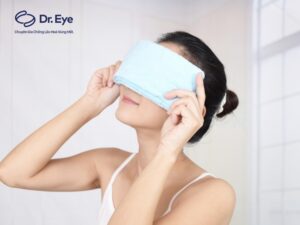
For the most accurate advice, it is best to consult with your doctor regarding whether it is safe to eat fish after the procedure and which types are recommended.
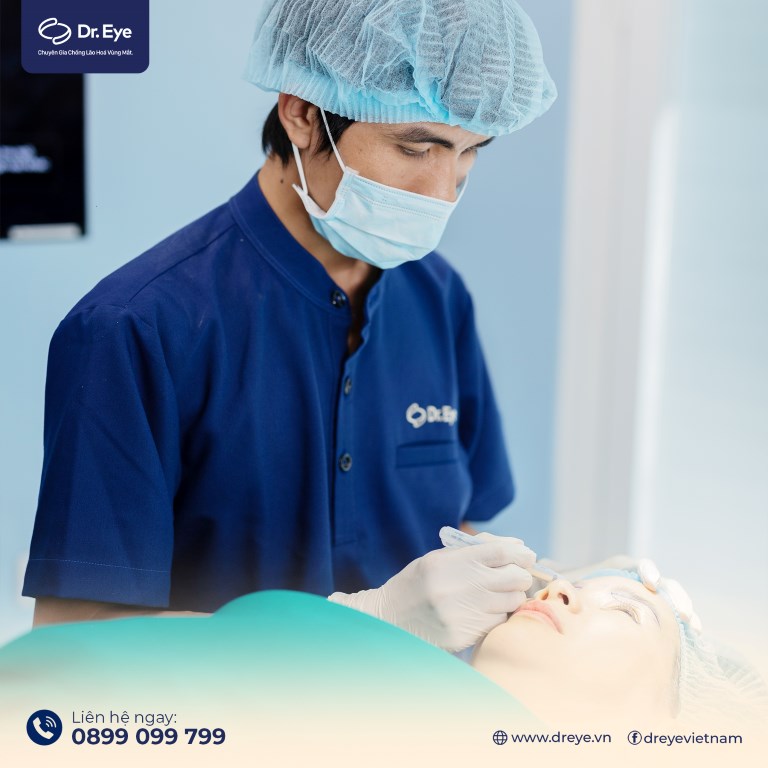
* Tip: By undergoing the non-incisional double eyelid procedure at the specialized aesthetic center Dr. Eye, clients can feel completely assured as the doctors always provide guidance on wound care and dietary recommendations.Follow appropriate dietary and lifestyle practices at home very carefully. Additionally, the doctor and staff are always ready to answer any questions about the nutrition plan after the non-incisional double eyelid procedure via the Hotline 0899 099 799 to help ensure the aesthetic results of the eye area are as naturally beautiful as expected.

In addition, the team of doctors at the center possesses solid skills, excellent expertise, and all necessary certifications to identify aging issues and appropriate treatment methods from the start, as well as to perform the non-incisional double eyelid procedure correctly, gently, and painlessly. Combined with advanced machinery and a sterile surgical room, this ensures safety and prevents infections for all beauty procedures.
Request a callback for consultation
2. How long after the procedure can I eat fish as usual?
Although fish is a source of many important nutrients forThe body requires proteins, fats, etc., but for those with sensitive constitutions, it is advisable to temporarily avoid fish for 2 weeks after the non-incisional double eyelid procedure to minimize the risk of irritation and the formation of unsightly scars.
Additionally, when reintroducing fish into the diet, clients should try benign types of fish such as anchovies, salmon, cod, and sole to monitor their body’s reaction. If there are no unusual signs, they can comfortably eat as usual.
3. How to Eat Fish for Those Who Have Had the Non-Incisional Double Eyelid Procedure?
Not only should clients choose the right timing or type of fish to try, but they should also keep in mind the following useful tips for eating fish after the procedure:
- Prepare and Cook Fish Thoroughly: You should select fresh fish from a clear source, then remove all internal organs (especially the bile and intestines) to limit toxins from entering the body, which could affect the healing process of the wound. Furthermore, clients should prioritize easily digestible cooking methods such as steaming or making soup rather than frying in a lot of oil.
- Avoid Eating Fish on an Empty Stomach: Eating fish when hungry can cause the purines in the body to convert into uric acid, leading to inflammation and swelling at the wound site. Therefore, it is advisable to have a small amount of rice or porridge before enjoying fish.
- Avoid Eating Raw Fish: Raw fish carries a high risk of contamination with various underwater toxins. Therefore, clients shouldAfter undergoing the non-incisional double eyelid procedure, it is advisable to choose well-cooked fish instead of raw.Zinc: Zinc is a mineral with strong antioxidant properties. Therefore, you should incorporate foods high in zinc (such as egg yolks, cereals, legumes, etc.) into your daily diet to help wounds heal faster and avoid irritation.
4.2. Foods to Avoid
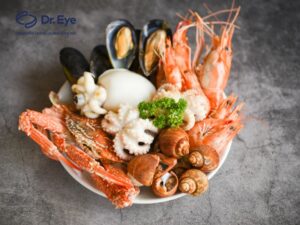
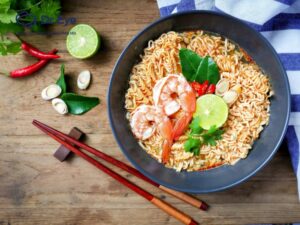
- Seafood: Some proteins in seafood, such as tropomyosin and parvalbumin, have a high potential to cause allergies. Therefore, those who have just undergone eyelid surgery should temporarily avoid this food group for a while to ensure safety.
- Red Meat: Since red meat (such as beef, goat, veal, etc.) is very high in protein, the area of the open wound may excessively produce collagen. This can lead to the formation of unsightly scars, affecting aesthetics.
- Certain Vegetables: While vegetables are essential in daily meals, some types, such as water spinach and giant water lily stems, may irritate the eyelid crease and cause raised scars.
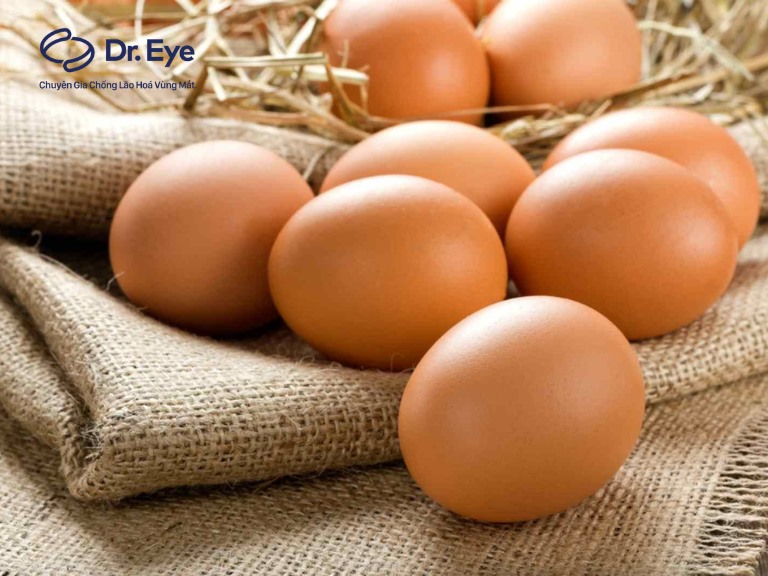
- Eggs: This food has a strong odor, so it is advisable to avoid eggs for a few weeks to reduce the risk of swelling and itching at the wound site.
- Poultry (such as chicken, duck, etc.): Most types of poultry have a cooling effect and are high in protein, which can prolong the healing of the eyelid crease and increase the risk of scarring.
- Sticky rice dishes: On the other hand, sticky rice dishes (such as sticky rice, bánh chưng…) have a warming effect, which can cause the injured eyelids to become swollen, red, and itchy…

At this point, we hope the question “Can I eat fish after the non-incisional double eyelid procedure?” has been answered for our clients. In general, those with a benign constitution can enjoy their meals according to their preferences (except for the foods that may cause irritation mentioned in this article) to ensure adequate energy and nutrients. For those with a more sensitive constitution, it is advisable to temporarily avoid foods that may affect the open wound for a few weeks to ensure safety!
References
- Mangat Copit Plastic Surgery and Skin Care. Best Foods To Eat For Healing After Plastic Surgery. https://www.mangatplasticsurgery.com/blog/best-foods-to-eat-for-healing-after-plastic-surgery (accessed 10/24/2024)
- Mayo Clinic. Shellfish allergy. https://www.mayoclinic.org/diseases-conditions/shellfish-allergy/symptoms-causes/syc-20377503 (accessed 10/24/2024)
Introduction Dr. Eye
Understanding the desire to preserve the youthful beauty of the eyes for middle-aged women, Dr. Eye offers modern solutions to address all aging issues around the eyes such as sagging eyelids, eye bags, crow’s feet,…


Related articles


 BOOK AN APPOINTMENT


