

What causes tearing after upper eyelid surgery and how to address it appropriately?
Upper Eyelid Surgery is a fairly common cosmetic procedure, but not every surgery yields the desired results. In fact, many clients experience complications such as tearing after upper eyelid surgery. So what causes this, and how can it be addressed? Let’s explore with Dr. Eye.
1. Causes of Tearing After Upper Eyelid Surgery
Tearing after upper eyelid surgery is a common complication, and to find a solution, it’s essential to understand the underlying causes:
1.1. Improper Technique by the Surgeon
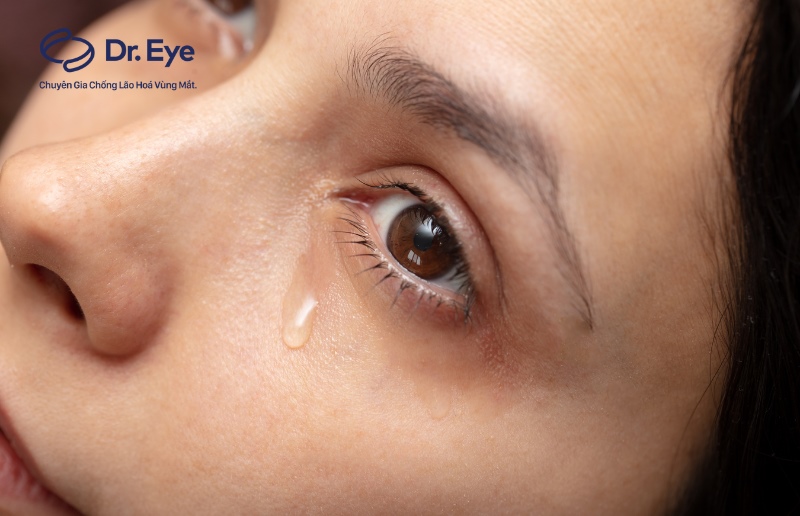
The cause of tearing after upper eyelid surgery often relates to the surgeon’s skill. Specifically, if the surgeon performs the procedure incorrectly, perhaps due to inexperience, the incision may be too deep, affecting the delicate area beneath the eyelid. This can lead to damage to the eyelid, impacting the eye’s function and resulting in tearing.
1.2. Inadequate Surgical Instrumentssurgery
Surgical conditions and the procedure itself can also affect the eyelids. If the surgical instruments do not meet standards and are not properly sterilized, it can create an environment for bacteria to enter, increasing the risk of infection and causing continuous tearing.
1.3. Clients with Sensitive Skin
In some cases, clients with sensitive skin may experience continuous tearing after upper eyelid surgery.
1.4. Pre-existing Eye Conditions
Excessive tearing after surgery may occur if clients have a history of eye-related conditions, such as dry eye syndrome. When the eyes are dry, it can be very uncomfortable, leading to irritation and stimulating the tear glands to produce more tears. Additionally, the surgical procedure can further increase tear production in this area.
1.5. Improper Post-operative Care
The post-operative care process significantly impacts your aesthetic results. If clients do not follow the doctor’s guidelines for rest and care, their eyes may become strained, leading to frequent tearing.
1.6. Side Effects of Medication
In rare cases, side effects from medications such as isotretinoin or morphine may cause damage to the conjunctiva.with symptoms such as red eyes, itchy eyes, and tearing. Additionally, additives and preservatives in some medications can increase your eyes’ sensitivity, leading to excessive tearing.
2. Dangerous complications if tearing after eyelid surgery is not properly addressed
Tearing after eyelid surgery, if not managed correctly, poses a risk of causing many other dangerous complications.
- Overall aesthetic impact on the face: Excessive tearing after eyelid surgery can cause the eyes and surrounding skin to remain swollen and red, losing their natural beauty and affecting your confidence.
- Conjunctivitis: If tearing persists for an extended period, you are at a higher risk of developing conjunctivitis. At this point, the eyes not only become swollen and uncomfortable, but continuous tearing can also disrupt daily activities.
- Eye infection: Frequent and excessive tearing can create an environment conducive to bacterial invasion, leading to eye infections and redness. If not addressed promptly, it may result in vision impairment.
3. What should you do if you experience tearing after eyelid surgery?
If you encounter tearing after eyelid surgery,If your eyes are watering continuously, please remain calm and contact your doctor or the clinic to discuss and receive timely assistance.
In addition, the doctor may guide you to perform the following methods at home to help improve excessive tearing after upper eyelid surgery:
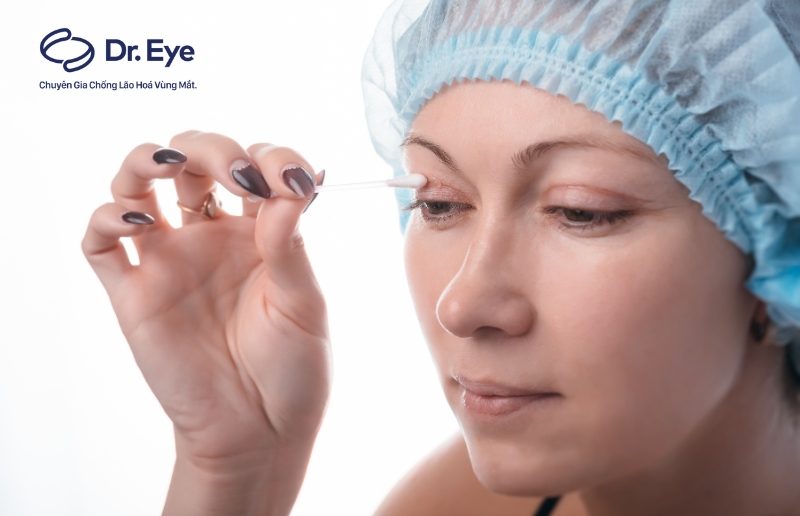
3.1. Clean the Wound Thoroughly
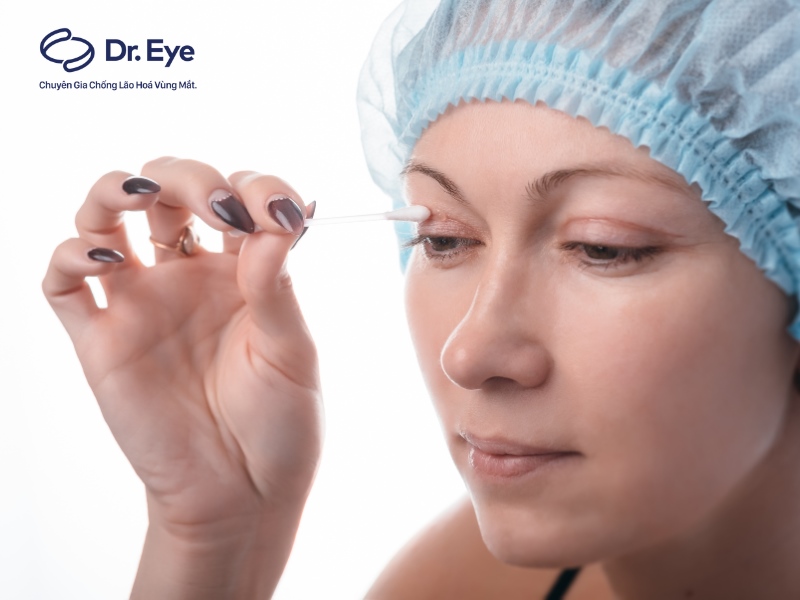
To avoid complications such as excessive tearing, you need to clean the wound thoroughly by using a cotton swab or medical gauze soaked in saline solution, then gently wipe the eyelid area daily.
Additionally, you can apply cold compresses to the wound for 10 – 15 minutes, 2 – 3 times a day for the first 2 days and then switch to warm compresses starting on the third day after surgery to help reduce swelling and discomfort. Note that you should not touch or rub your eyes as this may cause irritation and increase tearing.
3.2. Use Medication and Follow Up as Scheduled
Take anti-inflammatory and pain relief medication as prescribed by your doctor.The doctor will help reduce swelling, limit the risk of infection, and support a quick recovery process. Additionally, you should adhere to the regular follow-up schedule for the doctor to check the healing progress of the incision, assess the aesthetic results, and promptly address any unusual issues (if any).
3.3. Establish a Healthy Diet
Irritated eyelids and excessive tearing after surgery may be due to an inadequate diet. Therefore, to promote quick healing and achieve beautifully shaped eyelids without excessive tearing, clients should prioritize foods rich in protein and zinc, such as pork, milk, and almonds; vitamin C sources like oranges, kiwis, and strawberries. Additionally, you should limit spicy, hot foods, and deep-fried items that can cause irritation, such as sticky rice, beef, water spinach, and seafood.

Alongside the post-operative care methods mentioned above, to minimize unwanted complications, you should choose a reputable aesthetic clinic from the outset, with doctors specialized in the eye area for the procedure.
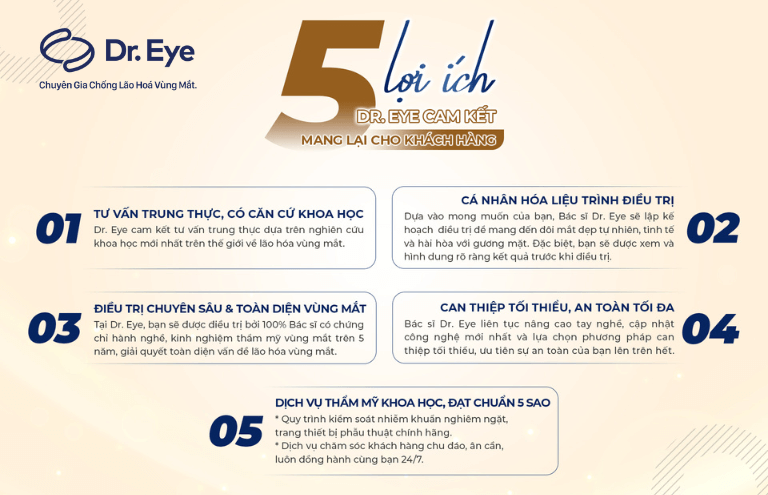
For instance, Dr. Eye – the FIRST center specializing in comprehensive anti-aging treatments for the eye area specifically for middle-aged women. At Dr. Eye, we offer safe upper eyelid surgery, ensuring natural and long-lasting results thanks to our outstanding advantages, including:
References
- The Aesthetic Society “Extreme Watering 6 Months Post Bleph” – 09/15/2019, https://www.theaestheticsociety.org/ask-question/100796 (accessed 05/15/2024)
- Aartefacial, “Watery eyes after eyelid plastic surgery: what’s going on?”, https://www.artefacial.com/en/surgery/watery-eyes-after-eyelid-plastic-surgery-whats-going-on (accessed 05/15/2024)
Introduction Dr. Eye
Understanding the desire to preserve the youthful beauty of the eyes for middle-aged women, Dr. Eye offers modern solutions to address all aging issues around the eyes such as sagging eyelids, eye bags, crow’s feet,…


Related articles
![[FAQ] Can I eat peanuts after eyelid surgery?](https://dreye.vn/wp-content/uploads/2024/07/cat-mi-co-an-dau-phong-duoc-khong-ava.jpg)


 BOOK AN APPOINTMENT


