

What foods should be avoided after a non-incisional double eyelid procedure for quicker healing and to minimize scarring?
Diet is one of the significant factors affecting the healing speed and final results after double eyelid surgery. Therefore, there are certain foods you need to completely avoid to prevent irritation of the wound and the formation of unsightly scars. So, what exactly should you avoid eating after double eyelid surgery, and for how long? Let’s find the answers with Dr. Eye.
1. What should you avoid eating after double eyelid surgery to prevent scarring?
Although the double eyelid procedure is a minor surgery, there will still be incisions on the eyelids. Therefore, you need to avoid certain foods to prevent complications that could affect the recovery process.
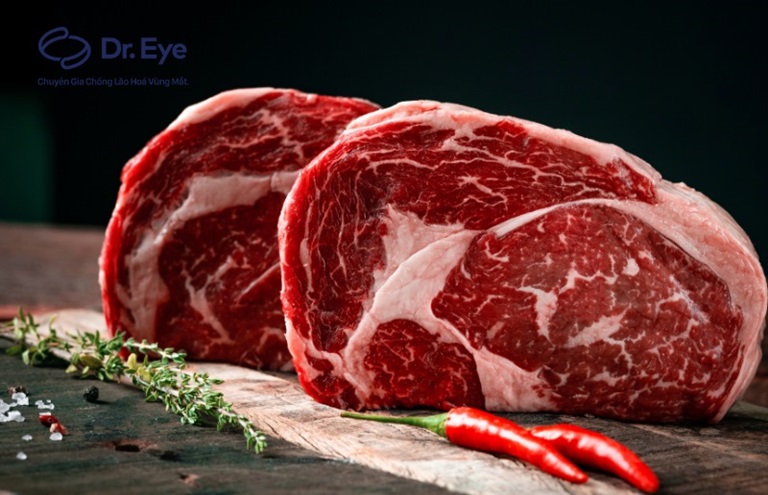
1.1. Beef
Beef contains a high level of protein and iron, which can cause swelling of the eyelids, stimulate the body to produce more melanin, and lead to the formation of dark scars that affect the aesthetic results after double eyelid surgery.
Moreover, consuming beef while the wound is in the healing phase can easily cause dryness, itching, and discomfort. At this point, you may be inclined to touch or scratch, and this action could lead to infection, prolonging the healing time.
1.2. Poultry
Chicken and duck meat contain a high level of Arginine – a type of protein that can cause allergies and itching. Especially when the wound is healing, consuming chicken can exacerbate the itching.
1.3. Sticky Rice Dishes
Are you wondering what to avoid after double eyelid surgery? Don’t forget to steer clear of sticky rice dishes like xôi and bánh chưng, as their warming properties can easily cause irritation, pus formation, swelling, and may lead to raised scars affecting aesthetics.
1.4. Spicy Foods
When considering what to avoid after double eyelid surgery, spicy foods must be mentioned. Foods like spicy noodles, pizza, and fried chicken contain capsaicin, which can irritate the wound, causing a feeling of heat and discomfort in the skin around the eyes.
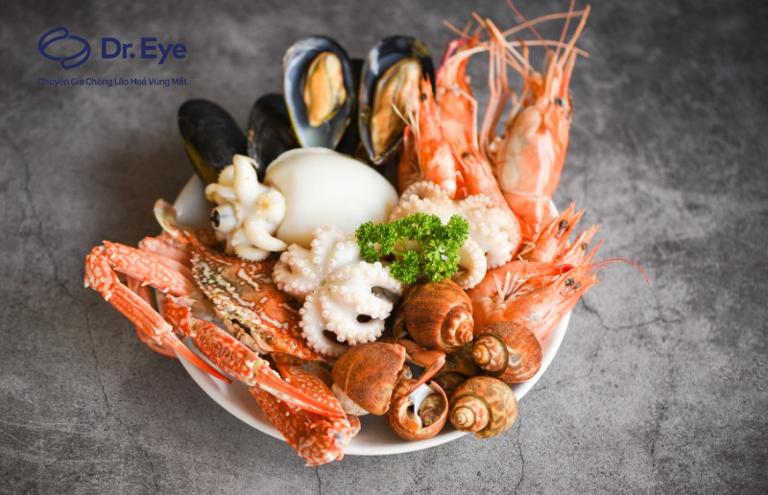
1.5. Seafood
Avoiding seafood after double eyelid surgery is also essential, as foods like shrimp, crab, and squid contain high levels of protein and histamine. These substances can cause allergic reactions in the body, increasing the risk of scar formation and prolonging the healing process.
Water spinach, amaranth, and bitter leaf may stimulate excessive collagen production, leading to the formation of hard fibrous tissue, which can result in raised scars that affect the aesthetic outcome after the non-incisional double eyelid procedure.
1.7. Alcohol and Stimulants
Consuming alcoholic beverages and stimulants such as alcohol, beer, coffee, and tea can cause swelling, itching, and irritation. Moreover, excessive intake of these substances can lead to insomnia and an irregular lifestyle, negatively impacting your physical and mental health, which may prolong the healing of wounds after upper eyelid surgery.
1.8. Eggs
If you’re unsure about what to avoid after the non-incisional double eyelid procedure, you should refrain from consuming eggs. Eggs are known for their strong odor, and eating them right after the procedure can lead to swelling and infection of the wound. Additionally, the collagen in egg yolks can contribute to raised scars and uneven skin tone.
1.9. Sugary Foods
Consuming sweet foods high in sugar, such as candies, soft drinks, and ice cream, can increase blood sugar levels, thereby triggering inflammatory responses in the body, which may prolong the recovery process after the non-incisional double eyelid procedure. Furthermore, sugar can cause water retention and swelling, exacerbating the condition of puffiness in the eye area.the eyelid crease.
[irp posts="7573" ]2. What to Eat After Eyelid Surgery for Faster Healing?
In addition to questions about what to avoid eating after eyelid surgery, it’s important to include certain foods that can support your recovery process.
So, what should you eat after eyelid surgery to promote healing? Here are some suggestions:
2.1. Green Vegetables
While some types of vegetables (such as water spinach, amaranth, and bitter melon) should be avoided after eyelid surgery, you should still include green vegetables in your diet to provide essential nutrients that support healing. For example, spinach, kale, and broccoli are rich in vitamin K, which helps reduce inflammation and swelling after eyelid surgery.
2.2. Fruits
Fruits are typically high in vitamins and minerals that are beneficial for those recovering from eyelid surgery. Particularly, vitamin C is a powerful antioxidant that boosts the immune system and enhances resistance. This helps the body fight infections, stimulates skin regeneration, and supports a quicker recovery. Therefore, fruits you should include are oranges, grapefruits, kiwis, strawberries, and more.
2.3. Protein-Rich Foods
Providing an adequate amount of protein is essential for stimulating the regeneration of new cells, which aids in faster wound healing. Protein-rich foods beneficial for those recovering from eyelid surgery include pork, soybeans, and nuts such as walnuts and almonds.
[irp[irp posts="9075" ]From the third day, you can apply warm compresses to reduce swelling and bruising. [caption id="attachment_5360" align="aligncenter" width="768"]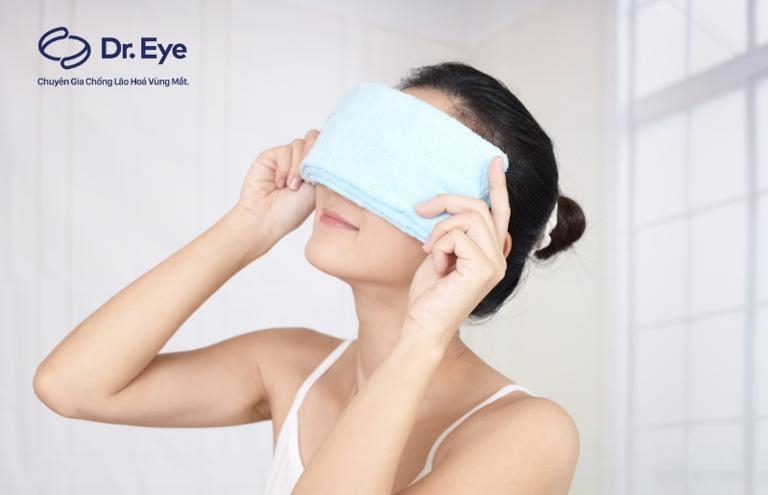 Combine cold and warm compresses to reduce swelling and bruising around the eyelids.
- Elevate your head while sleeping: This will prevent blood from pooling in the facial area, causing excessive swelling at the surgical site.
- Take medication and follow up as scheduled: Take medication as directed to help reduce swelling and pain at the surgical site. Additionally, it is crucial to attend follow-up appointments so the doctor can monitor the incision, check the healing progress, and provide timely solutions if any abnormalities arise.
- Avoid rubbing or scratching the eye area: This may lead to infection and prolong the recovery time of the eyelid.
- Keep hair away from the eye area: Hair can come into contact with the incision, causing discomfort and itching, while dirt in the hair may also lead to irritation and infection.
- Avoid makeup and contact lenses: For at least one month after surgery, you should avoid makeup and wearing contact lenses, as they can easily causebacterial infections and strong impacts on the eye area, affecting the wound.
- Avoid activities that strain the eyes (such as reading, watching TV…): Because these activities affect the resting time of the eyes, causing strain and slowing down the recovery process.
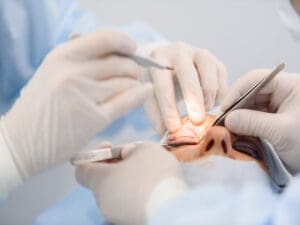
Thus, the article has provided information to help women know what to avoid eating and what to eat after non-incisional double eyelid procedure for faster healing. Moreover, in addition to the post-operative diet, a particularly important factor that determines the results of the non-incisional double eyelid procedure is the facility where it is performed. If the cosmetic address has modern facilities, advanced equipment, and highly skilled doctors, the eyelid crease will be accurate, less painful, and minimize errors and complications.
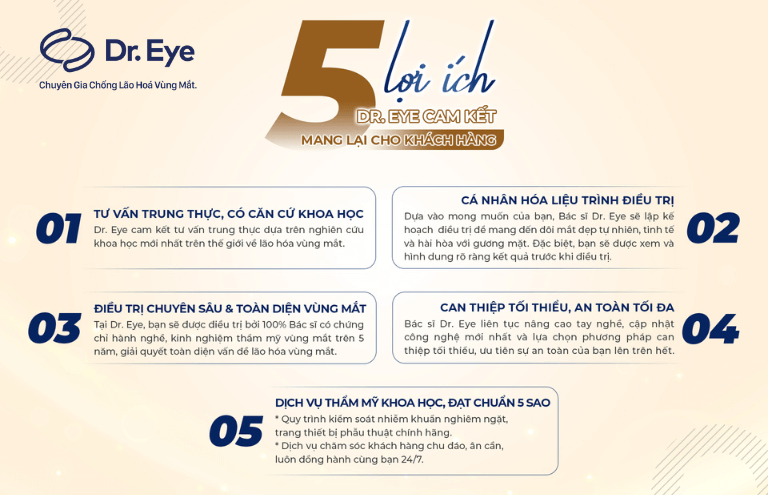
Proud to be the FIRST center specializing in a treatment focused on addressing the aging of the eye area, Dr. Eye is sure to provide middle-aged women with a perfect non-incisional double eyelid experience with the outstanding advantages below:
Contact Dr. Eye now for a consultation on the most suitable non-incisional double eyelid method, ensuring a radiant youthful appearance for your eyes.Eye!
Detailed Information:
|
Request a Callback for Consultation
References
- Northwest Valley “Post-Operative Instructions for Eyelid Surgery and Forehead Lift”, https://www.nwvalleyoralandfacialsurgery.com/procedures/cosmetic-surgery/surgery-instructions/eyelid-and-forehead-lift/ (accessed 05/15/2024)
- Become Wealth Company Limited. Beautiful eyes, wounds heal quickly. What to eat? After having double eyelids. https://www.lovelyeyeclinic.com/en/article/beautiful-eyes-wounds-heal-quickly-what-eat-after-having-double-eyelid (accessed 05/15/2024)
Introduction Dr. Eye
Understanding the desire to preserve the youthful beauty of the eyes for middle-aged women, Dr. Eye offers modern solutions to address all aging issues around the eyes such as sagging eyelids, eye bags, crow’s feet,…


Related articles


 BOOK AN APPOINTMENT


