

Can I eat goat meat after eyelid surgery? Tips for faster eyelid healing.
Goat meat is known to be a food rich in nutrients beneficial for the body, such as protein, iron, zinc, riboflavin, and more. However, whether one can eat goat meat after eyelid surgery is a concern for many clients following this procedure. If you have similar questions, don’t miss the detailed information in the article below.
1. Can you eat goat meat after eyelid surgery?
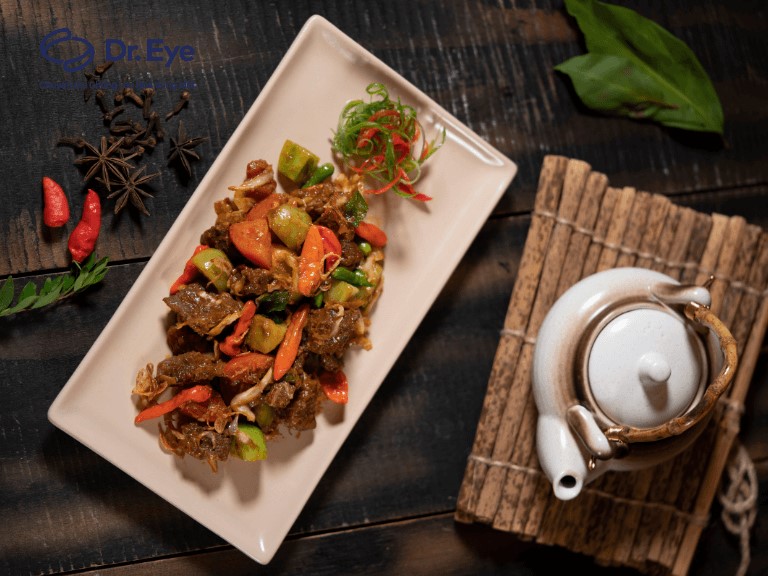
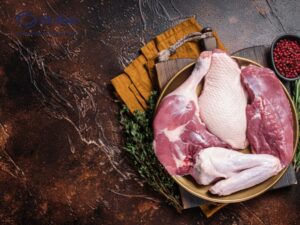
Goat meat contains many nutrients that provide various health benefits. Specifically, 85g of goat meat contains 23g of protein, 2.6g of fat, and the iron content accounts for 18% of the Daily Value (DV: recommended daily value needed by the body), Riboflavin 30% DV, zinc 30% DV, and more. These nutrients help nourish the body, warm the digestive system, and calm the mind. Notably, the protein in goat meat is an excellent nutrient source for tissue and muscle development.
But can you eat goat meat after eyelid surgery? The answer is NO, because goat meat has a warming property that may increase the risk of infection, causing the wound to heal slowly and potentially leaving scars. Additionally, the high levels of protein and iron in goat meat may increase the risk of keloid scars and dark scars forming.
2. When can you eat goat meat after upper eyelid surgery?
After about 3 – 4 weeks post-surgery, when the wound has healed, you can eat goat meat. For those with a tendency to scar easily or have sensitive skin, the period of avoiding goat meat may extend to 4 – 6 months until the eyelid crease is no longer swollen, painful, or bruised. However, this timeframe depends on the healing process, the condition of the eyelid crease, and the technique used by the doctor… Therefore, you should closely monitor the wound condition and consult your doctor before reintroducing goat meat into your diet.
3. Tips for post-surgery care to promote healing and minimize scarring
Here are some tips to help the wound at the eyelid crease heal quickly and prevent unsightly scars that could affect the aesthetics of your eyes:
3.1. Nutritional regimen
Establishing a scientific nutritional regimen helps provide all the necessary nutrients for the body, promoting faster wound healing and effectively preventing unsightly scarring. Accordingly, in addition to goat meat, after upper eyelid surgery, you should avoid eating chicken, seafood, beef, sticky rice dishes,… because these foods can cause the eyelids to bruise easily and stimulate the formation of raised scars, affecting aesthetic results.
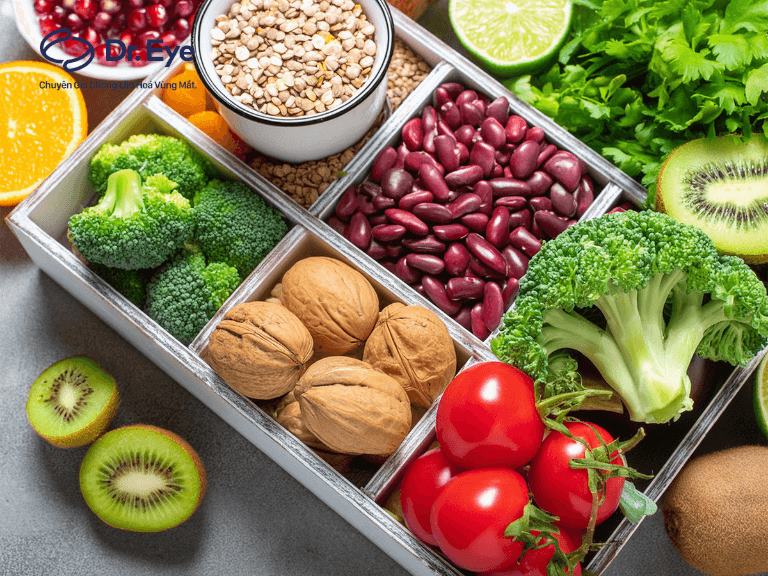
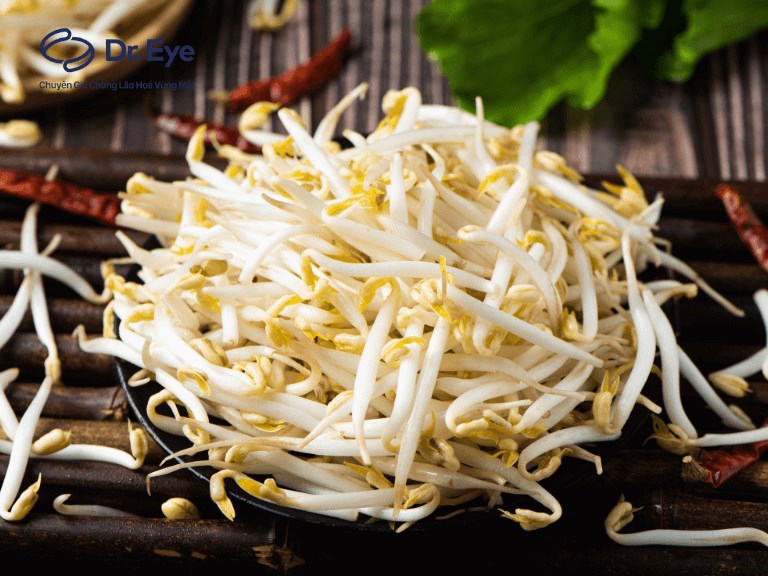
Alongside this, you should include foods such as green vegetables, fruits, legumes, grains, and lean pork in your diet… because they contain manyProtein, fiber, vitamins, and minerals support wound healing, reduce swelling and redness, and help minimize scarring.
3.2. How to Clean and Care for the Eye Area
To help your eyelid surgery wounds heal quickly and minimize complications such as infection and inflammation, proper cleaning and care are essential. You should follow these eye care steps: Clean the wound with saline solution; during the first 24 hours after upper eyelid surgery, apply ice to the wound to reduce swelling; go to bed early; limit the use of electronic devices; protect your eyes with sunglasses and a wide-brimmed hat to minimize UV exposure to the wound;…
3.3. Use Medications and Follow-Up as Directed by Your Doctor
The use of pain relief, anti-inflammatory, and antibiotic medications should be done according to your doctor’s instructions to ensure your safety. Additionally, you should attend follow-up appointments as scheduled to monitor the healing progress of your wound, allowing your doctor to recommend appropriate next steps for treatment.
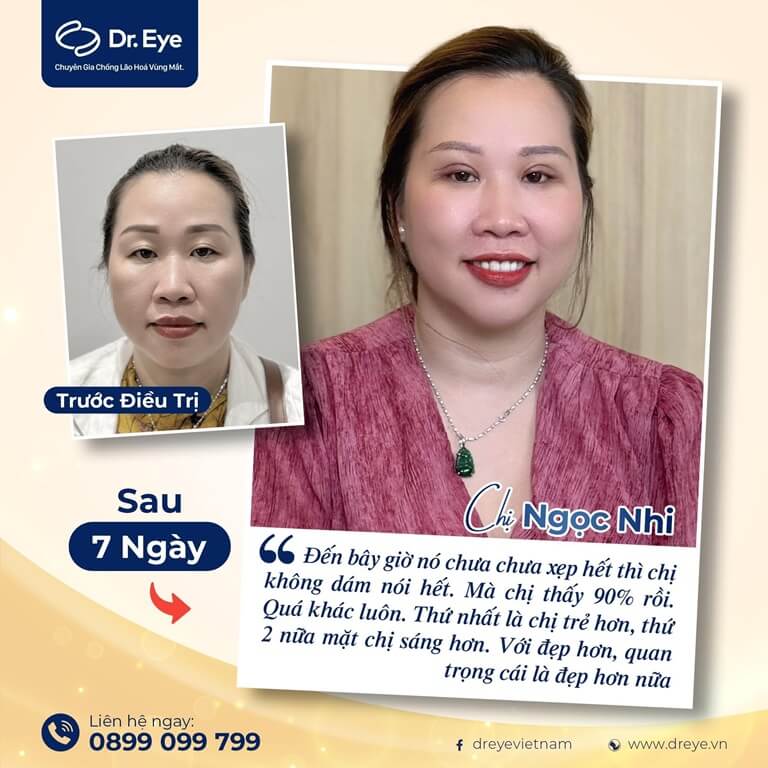
When undergoing upper eyelid surgery at Dr. Eye, the specialized doctor will provide detailed guidance to clients on how to care for the wound after upper blepharoplasty, helping it heal quickly. At the same time, a follow-up appointment will be scheduled to closely monitor the recovery process after the procedure, ensuring the eyelids settle into the desired crease without unsightly scars.At Dr. Eye, Ms. Nhi has noticed a significant change in her eyes, specifically:
The next successful upper eyelid surgery at Dr. Eye involves Ms. Giang, who faced congenital ptosis, which made her feel less confident in social interactions. With precise consultation from the doctors at Dr. Eye, a suitable treatment plan was provided, along with detailed post-operative care advice. After one month of upper eyelid surgery, Ms. Giang now has radiant eyes, and her surgical wounds have healed well.
Contact Dr. Eye now for detailed consultation from our doctors on effectively addressing aging eye concerns, achieving youthful and radiant eyes.
Request a callback for consultation
By now, you surely have a detailed answer to the question of whether you can eat goat meat after eyelid surgery. In addition to the impact of diet on the healing process after upper eyelid surgery, the choice of a clinic is also important.The reputation of a cosmetic clinic is crucial from the start. Among them, Dr. Eye is a specialized clinic for eye-area rejuvenation that you shouldn’t overlook, thanks to its top-notch services, professional consultations, and dedicated client care.
Introduction Dr. Eye
Understanding the desire to preserve the youthful beauty of the eyes for middle-aged women, Dr. Eye offers modern solutions to address all aging issues around the eyes such as sagging eyelids, eye bags, crow’s feet,…


Related articles


 BOOK AN APPOINTMENT


