

Can I eat rabbit meat after upper eyelid surgery? How long should I avoid it?
Proper care after upper eyelid surgery is key to achieving naturally beautiful and captivating eyes. However, avoiding certain everyday foods can cause concern for many, such as can you eat rabbit meat after upper eyelid surgery? Let’s explore this issue further to ensure the recovery process goes as smoothly as possible.
1. Answer: Can you eat rabbit meat after upper eyelid surgery?
Like most other types of meat, rabbit meat is an excellent source of protein, even higher than beef and pork. However, rabbit meat is low in fat, making it suitable for those with high cholesterol or cardiovascular issues. Additionally, rabbit meat contains various vitamins and minerals, such as vitamin B12 and selenium, which help boost the immune system.
That said, in response to the question can you eat rabbit meat after upper eyelid surgery?, the answer is no. Due to its high protein content, it may irritate the skin and prolong the healing of the wound. It could even lead to swelling, inflammation, or pus at the incision site. Therefore, to ensure safety and not affect the aesthetic results after upper eyelid surgery, it is advisable to avoid rabbit meat.
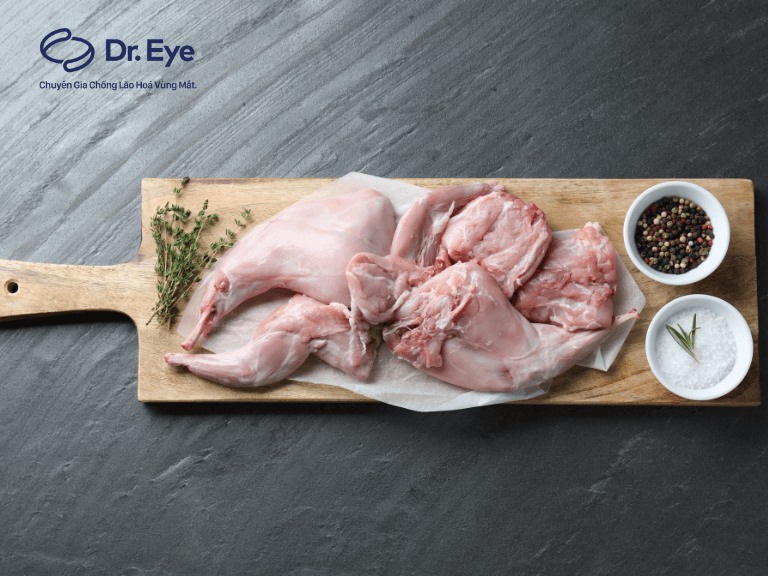

2. How long should you avoid eating rabbit meat after upper eyelid surgery?
The duration of avoiding rabbit meat depends on the healing speed and individual body conditions. Typically, clients should refrain for 2 – 3 weeks or 1 – 2 months for those with sensitive skin or slower healing.
If you accidentally consume rabbit meat, you should closely monitor the wound. Eating a small amount may not cause any issues, but if you notice any unusual signs, it is advisable to consult with your surgeon for appropriate management.
3. Other foods to avoid after upper eyelid surgery
In addition to rabbit meat, clients should also avoid certain foods after upper eyelid surgery:
- Seafood: Seafood contains high levels of protein and histamine, which can easily cause allergies, itching at the wound site, and affect the recovery process.
- Beef: Although beef is rich in protein and iron, beneficial for healing and blood replenishment, it can also produce a lot of melanin. Therefore, beef often causes the wound to darken during the healing process.
- Eggs: Eggs contain a lot of protein and collagen, which can cause the newly healed skin to have an uneven white discoloration that is aesthetically unpleasing. Additionally, eggs may lead to swelling of the eyelids, keloid scars, and affect the results after upper eyelid surgery.
- Sticky Rice Dishes: Sticky rice dishes such as xôi, bánh chưng, bánh giò, etc., have a warming property and can easily cause swelling, inflammation, and prolong the healing time.
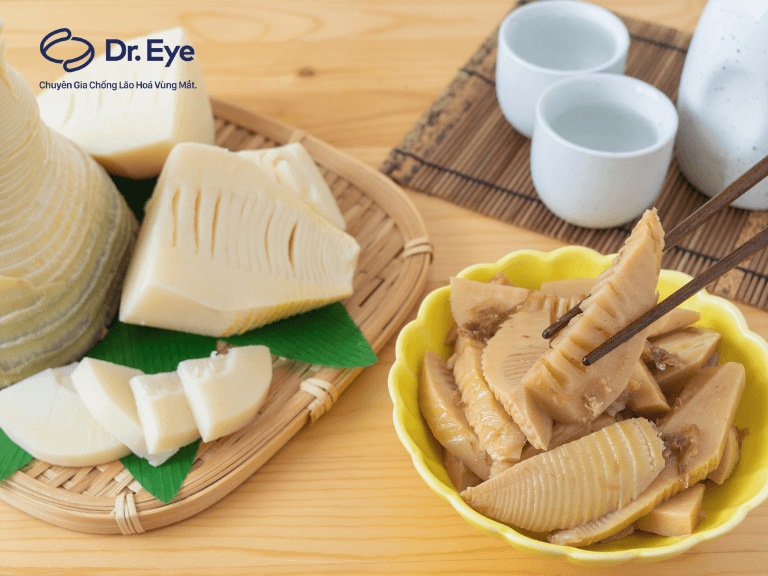
- Bamboo Shoots: Bamboo shoots contain cellulose and oxalic acid, which can hinder the absorption of essential nutrients in the body, specifically iron and zinc. These components are crucial for wound healing.
- Peanuts: Peanuts contain a high level of procoagulants, which can slow down the blood clotting process, leading to swelling, redness, and pus formation in the wound, thus delaying recovery.
- Instant Noodles: This is a spicy food that can causecan stimulate the inflammatory process, causing an increased secretion of inflammatory fluid, which makes the wound heal much more slowly. Additionally, instant noodles contain ingredients such as preservatives, additives, and frying oil, which may lead to internal heat, causing fatigue and affecting the speed of wound recovery.
4. Care Tips for Faster Eyelid Recovery
Below are some care tips that clients should keep in mind to promote quick recovery of the eyelid crease, reduce the risk of swelling and inflammation, and maintain the desired aesthetic results.
- Clean the eyelid crease with saline solution daily and keep the wound dry.
- Apply cold compresses during the first 24 hours to reduce swelling.
- From the third day, you can apply warm compresses at a moderate temperature to help dissolve bruising and reduce swelling.
- It is advisable to elevate your head with pillows while resting or sleeping to reduce swelling.
- Incorporate green vegetables and fruits rich in vitamin A, vitamin C, and antioxidants to help the wound heal faster, such as carrots, pumpkin, strawberries, blueberries, kiwi, etc.
- You should go to bed early, at the right time, and avoid staying up late.
-
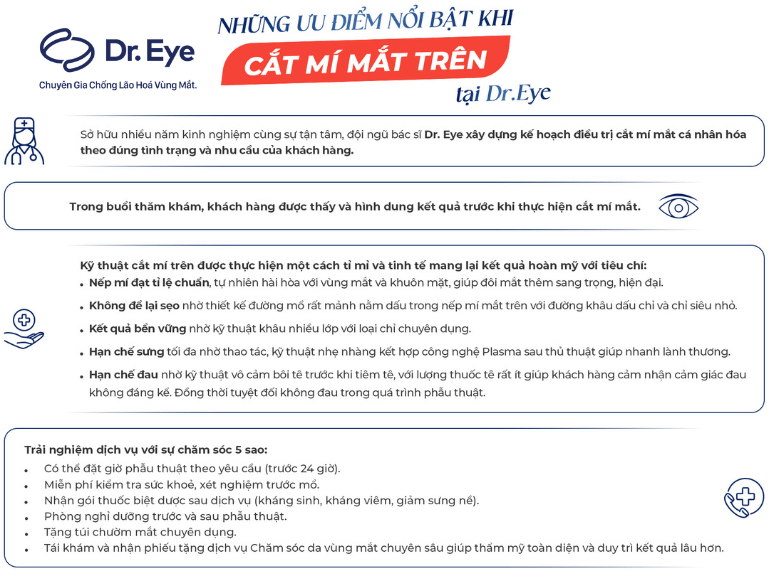
With the upper eyelid surgery service, clients will receive a thorough examination and consultation from a specialized aesthetic doctor following a personalized plan. In particular, the doctor will create a trial eyelid design, allowing clients to visualize the results before proceeding, and if they are not satisfied, adjustments can be made in a timely manner. This ensures that the final result is a beautiful, natural eyelid crease that harmonizes with the face as expected.
Here are the outstanding advantages of undergoing eyelid surgery at Dr. Eye that many clients highly appreciate:

Having experienced the eyelid surgery service at Dr. Eye clinic, client Thao Suong shared her honest feelings and was satisfied with the results after treatment, which addressed concerns such as ptosis, sagging, hollowness due to lack of fat, under-eye bags, and deep tear troughs. Instead, she now has brighter and more youthful eyes. Let’s listen to more of her insights in the video below:
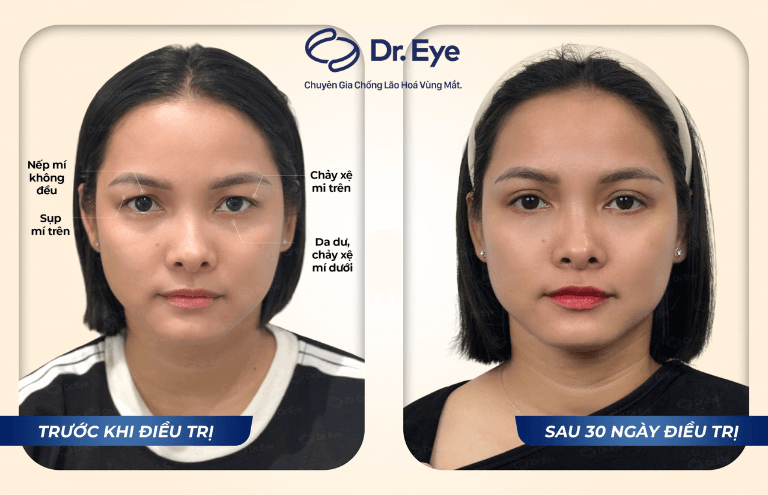
Another case is client Thuy Giang after the examination and procedure, Dr. Eye helped transform her eyes completely. Looking back at the initial images, Giang shared: “It was truly a wise decision. I regret not having the courage to undergo the procedure sooner. The new eyelid crease is natural and aligns perfectly with my initial expectations. Dr. Eye is very professional and dedicated.”

The condition of droopy eyelids, uneven eyelid creases, and excess sagging skin around Giang’s eyes has been completely addressed after treatment at Dr. Eye. Transform your ‘windows to the soul’ for greater confidence and happiness with our professional and safe upper eyelid surgery. Please contact Dr. Eye for a consultation with our specialized eye-area aesthetic doctor to receive a suitable treatment plan!
Request a callback for consultation
We hope this has helped clarify the concern about whether one can eat rabbit meat after eyelid surgery. Dietary restrictions after eyelid surgery can be challenging in the initial stages, but these small considerations will aid in quick recovery, allowing you to achieve satisfying results after the procedure.
References
- Taylor Wendt. What Are the Health Benefits of Rabbit Meat?. 02/06/2024. https://www.webmd.com/diet/health-benefits-rabbit-meat (accessed 30/10/2024)
- The role diet and nutrition play in recovery from plastic surgery. 18/04/2023. https://www.plasticsurgery.org/news/articles/the-role-diet-and-nutrition-play-in-recovery-from-plastic-surgery (accessed 30/10/2024)
Introduction Dr. Eye
Understanding the desire to preserve the youthful beauty of the eyes for middle-aged women, Dr. Eye offers modern solutions to address all aging issues around the eyes such as sagging eyelids, eye bags, crow’s feet,…


Related articles




 BOOK AN APPOINTMENT


