

How long after upper eyelid surgery can I eat beef? Note to avoid causing unsightly scars.
Dietary restrictions after cosmetic surgery are crucial for a swift recovery and to ensure the best possible results. This is why many clients wonder how long after upper eyelid surgery can they eat beef. Follow the article below to find the answer.
1. Why should you avoid eating beef after upper eyelid surgery?
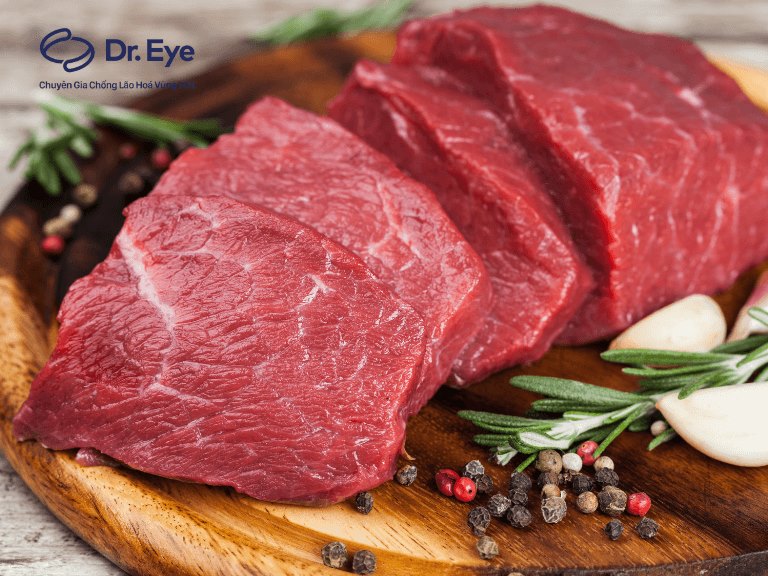
Beef is a protein-rich food with a high fat content, providing vitamins and minerals such as vitamin B12, zinc, and iron, which are beneficial for health.
Although there is no documentation proving that beef hinders the surgical process, to ensure proper wound healing, doctors often advise patients to avoid this type of food to reduce the risk of keloid formation. Therefore, individuals who have just undergone upper eyelid surgery should refrain from eating beef to promote faster healing and avoid negatively impacting aesthetic results.
2. How long after upper eyelid surgery can you eat beef?
To ensure the success of the upper eyelid surgery and to help the wound heal quickly, you need to be mindful when consuming beef, such as after:
- Before Upper Eyelid Surgery:
You should not consume too much beef (more than 300g) within 1 – 3 days. Eating a lot of red meat can alter blood cell counts, leading to slower healing and bruising.
- How long after upper eyelid surgery can you eat beef?:
Depending on each person’s body type and the healing ability after upper eyelid surgery, the duration of avoiding beef may vary. Typically, the wound after upper eyelid surgery can heal within 1 – 2 weeks. After 2 weeks, the scar will gradually fade; however, to ensure safety, you should avoid beef for 4 – 6 weeks, until the scar has faded, the eyelid crease has settled into a normal shape, and there is no swelling or pain.
Additionally, the speed of eyelid healing can greatly depend on the surgical technique of the operating doctor. Therefore, you should choose a reliable clinic for upper eyelid surgery, with a team of experienced doctors and precise techniques to ensure quick healing and a naturally beautiful eyelid crease.
3. What happens if you accidentally eat beef after upper eyelid surgery?
In the case of accidentally eating beef after upper eyelid surgery, the extent of the impact on the wound will depend on each person’s body characteristics as well as the amount of beef consumed.
If you eat a small amount of beef (about 1 – 2 pieces) thenIt does not affect those with a tendency to heal well. However, for those with very sensitive skin, swelling and bruising may occur quickly. In this case, you should monitor your reaction and consult a doctor promptly for appropriate management.
4. What else should be avoided to promote quick healing?
In addition to beef, you should also avoid the following foods to promote quick healing and minimize complications.
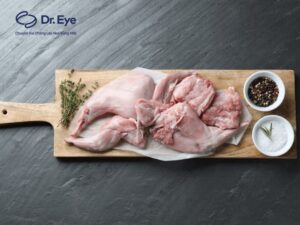
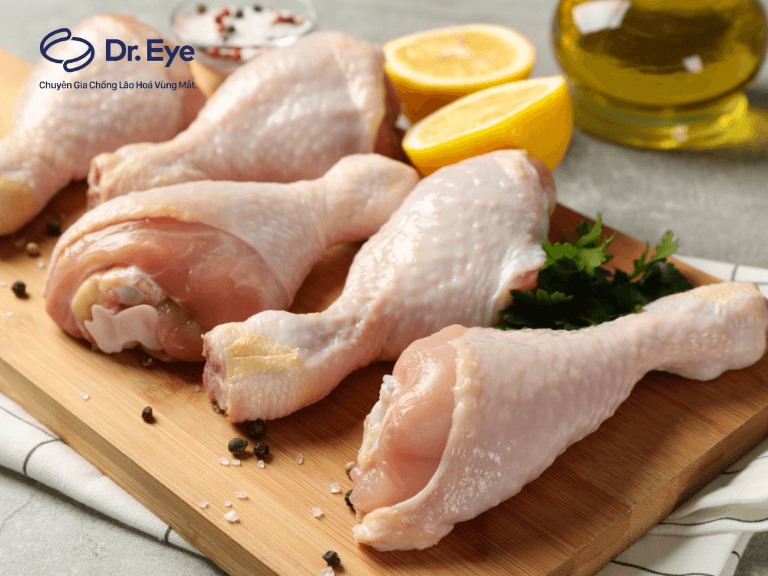
- Chicken and duck: Chicken and duck contain a lot of protein, which may cause allergic reactions, itching, and even pus formation, leading to unsightly scars for those who have just undergone eyelid surgery.
- Sticky rice: Foods made from sticky rice, such as sticky rice, bánh chưng, bánh giò, etc., are considered hot foods that can cause swelling and pus formation at the wound site. Additionally, these foods can lead to indigestion, affecting the digestive system and prolonging the healing process.
- Seafood: Seafood such as shrimp, crabs, and snails are cold and fishy, which can easily causeAbdominal pain and fatigue can delay wound healing. Especially for those with sensitive skin, there may be itching, allergies, and redness around the eyelid crease and unsightly scars.
- Fermented shrimp paste and fermented fish sauce: These foods are made from seafood and the fermentation process can cause allergies, affecting aesthetic results. Additionally, the strong smell of fermented shrimp paste and fish sauce may make those who have just undergone surgery feel fatigued, lose their appetite, and experience nausea, which can impact wound recovery.
- Water spinach: Consuming water spinach can lead to excessive collagen production, resulting in unsightly raised scars. Furthermore, water spinach can hinder the absorption of calcium and iron in the blood, causing pain at the eyelid incision.
- Spicy and greasy foods: Foods high in chili, pepper, or grease, such as hot pot, spicy noodles, fried chicken, etc., have heating and spicy properties that can cause swelling, itching, pain, and delayed healing at the eyelid incision.
- Alcoholic beverages and stimulants: Beverages like alcohol, beer, carbonated drinks, coffee, and energy drinks can alter the properties of antibiotics, leading to side effects such as infections and unsightly scars.
Through the above information, I hope it has helped women find the answer to the question of how long after upper eyelid surgery they can eat beef. To promote healing and avoid affecting aesthetic results, it is important to refrain from eating beef after upper eyelid surgery and to maintain a healthy diet and proper rest. Additionally, you should choose a reputable aesthetic clinic with highly skilled doctors to ensure quick healing, achieve the desired eyelid crease, and minimize complications.
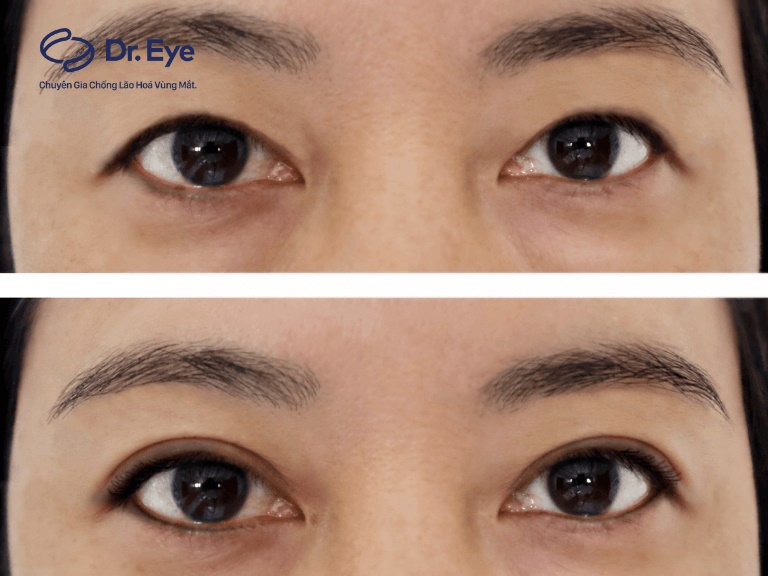
If women are looking for a reputable beauty clinic licensed by the Ministry of Health, with a team of highly qualified and experienced doctors, consider the specialized aesthetic clinic Dr. Eye. Proud to be the first center to provide comprehensive and in-depth treatments for eye-area rejuvenation for middle-aged women, Dr. Eye offers personalized upper eyelid surgery solutions tailored to individual conditions, helping women achieve naturally defined eyelid creases.
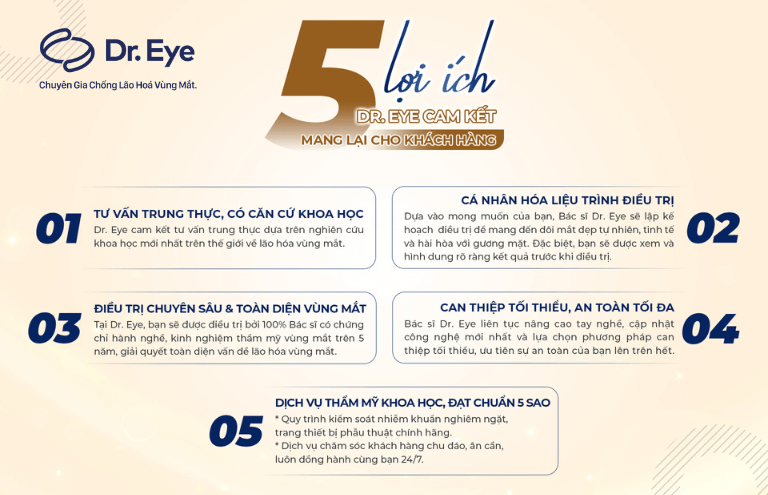

Upper eyelid surgery services at Dr. Eye are performed by highly skilled doctors who continuously refine their expertise. Therefore, the clinic is confident in providing clients with the most natural and harmonious eyelid crease. Additionally, the doctors care for and guide clients on proper post-operative care and nutrition to help the eyelid crease heal quickly and maintain long-lasting results.
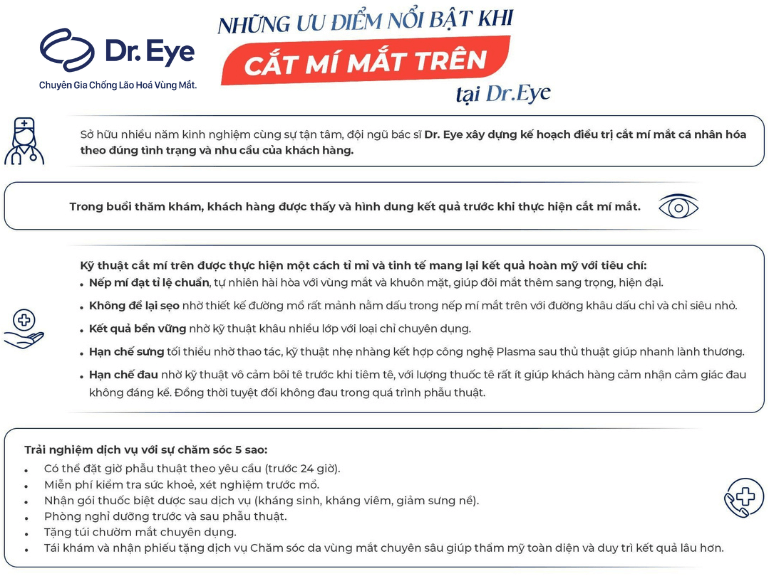
Moreover, the cost of upper eyelid surgery at Dr. Eye is considered reasonable, always transparently disclosed, and specifically communicated during consultations. As a result, the upper eyelid surgery service at Dr. Eye is increasingly trusted by many clients.
Overall, dietary concerns after upper eyelid surgery are no longer a worry for women, as the team at Dr. Eye is always ready to provide detailed advice and guidance. Contact Dr. Eye now for more detailed information about the upper eyelid surgery method.
Request a callback for consultation
References
- “Beautiful eyes, wounds heal quickly. What should you eat after undergoing double eyelid surgery?”https://www.lovelyeyeclinic.com/en/article/beautiful-eyes-wounds-heal-quickly-what-eat-after-having-double-eyelid (accessed 07/05/2024)
Introduction Dr. Eye
Understanding the desire to preserve the youthful beauty of the eyes for middle-aged women, Dr. Eye offers modern solutions to address all aging issues around the eyes such as sagging eyelids, eye bags, crow’s feet,…


Related articles



 BOOK AN APPOINTMENT


