

How long should you avoid beef after a non-incisional double eyelid procedure, and what happens if you accidentally eat it?
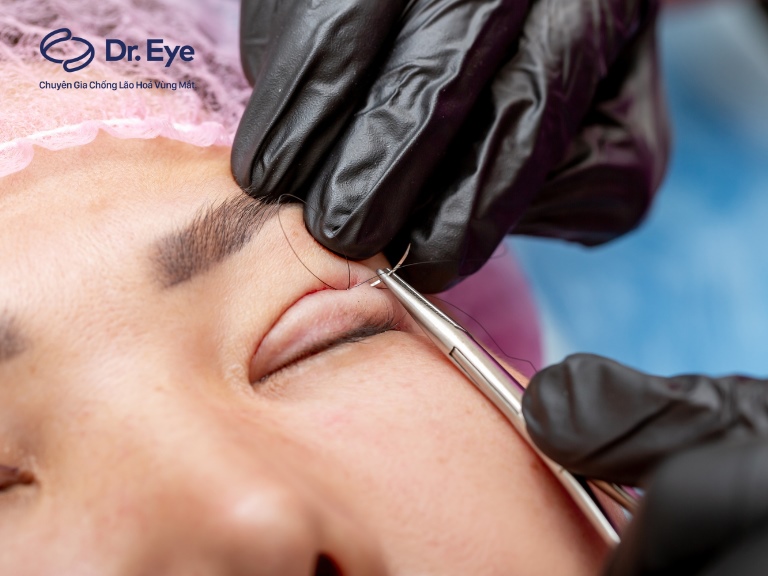
Most women know that nutrition plays a crucial role in recovery after double eyelid surgery. However, the issue of how long to avoid certain foods, such as how long to avoid beef after double eyelid surgery, often leaves many women wondering.
1. Why is it necessary to avoid beef after double eyelid surgery?
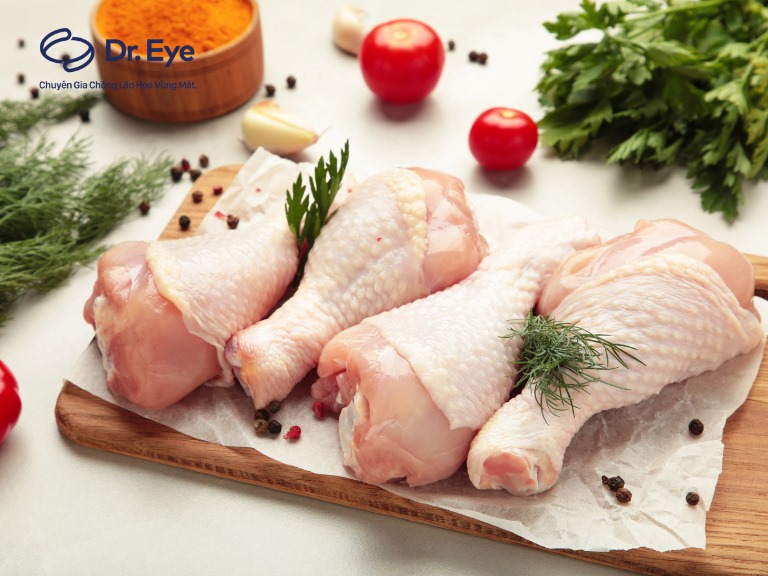
After double eyelid surgery, avoiding beef is part of the post-operative care regimen to support optimal recovery. Here are the benefits of avoiding beef after double eyelid surgery:
- Prevents the formation of unsightly keloids: Beef is high in protein, which can disrupt collagen synthesis, leading to excessive cell production and the formation of keloids.
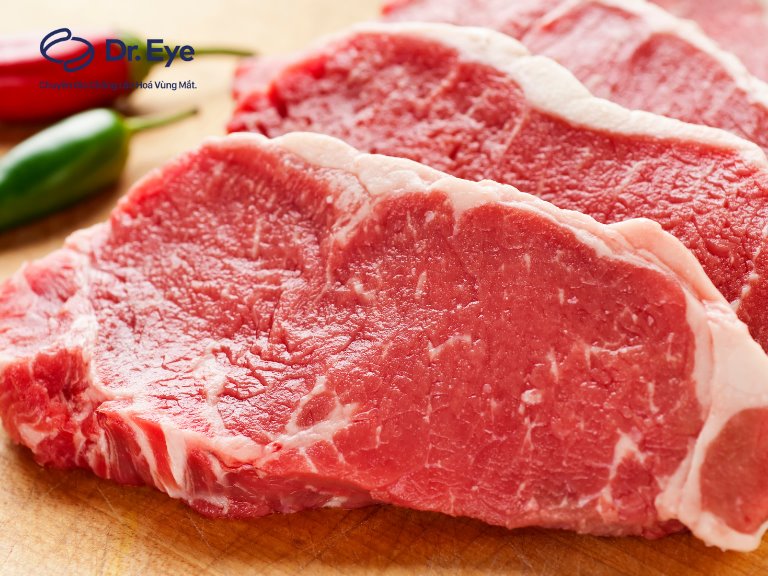
- Prevents dark, uneven scars: Beef can cause skin pigmentation in the wound area, resulting in scars that are darker than the surrounding skin after the eyelids heal.
- Helps wounds heal faster:Beef may cause skin irritation or exacerbate inflammation, leading to slower wound healing.
To avoid affecting the healing speed of the wound and the results after the non-incisional double eyelid procedure, you should avoid beef as advised by your doctor.
2. How long should you avoid beef after the non-incisional double eyelid procedure?
Depending on your body type and the recovery status of your eyelids, the duration of avoiding beef will vary. Generally, you should avoid it until the wound has scabbed and new skin has formed, which may take 7 to 10 days. For those with slower healing tendencies, the recovery process may take longer, so it is advisable to avoid beef for about 14 days. It is best to consult your doctor for the exact duration that is appropriate for your condition.
You can rest assured that after the non-incisional double eyelid procedure, Dr. Eye will provide detailed dietary advice, including what to avoid and what foods to include. Additionally, guidance on at-home care will be provided to promote faster wound healing, along with prescriptions if necessary.

Moreover, when undergoing the non-incisional double eyelid procedure at Dr. Eye – the FIRST specialized clinic for comprehensive anti-aging treatments for the eye area aimed at middle-aged women, you will not only be satisfied with the final results but also have a completely unique experience:
- The doctor
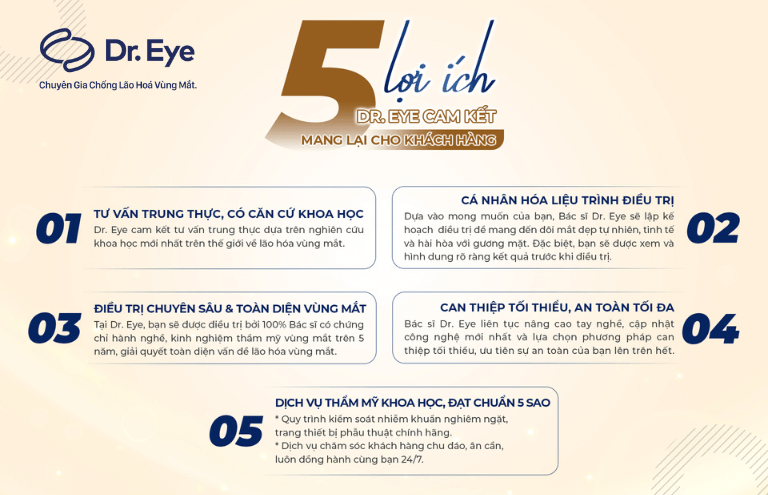
Additionally, Dr. Eye is committed to providing practical benefits for clients, which include:
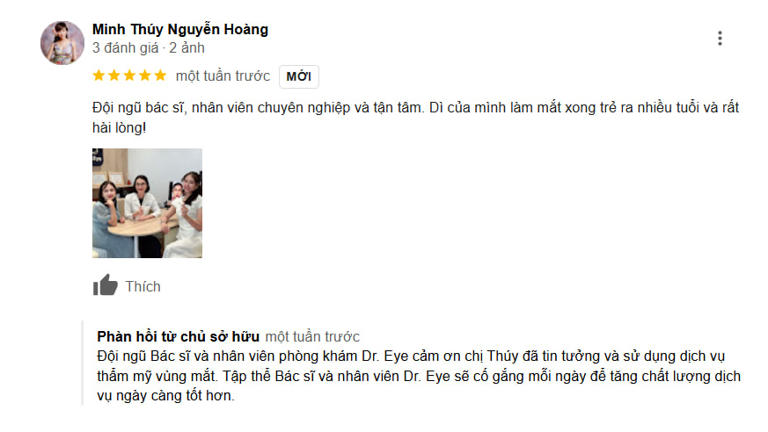
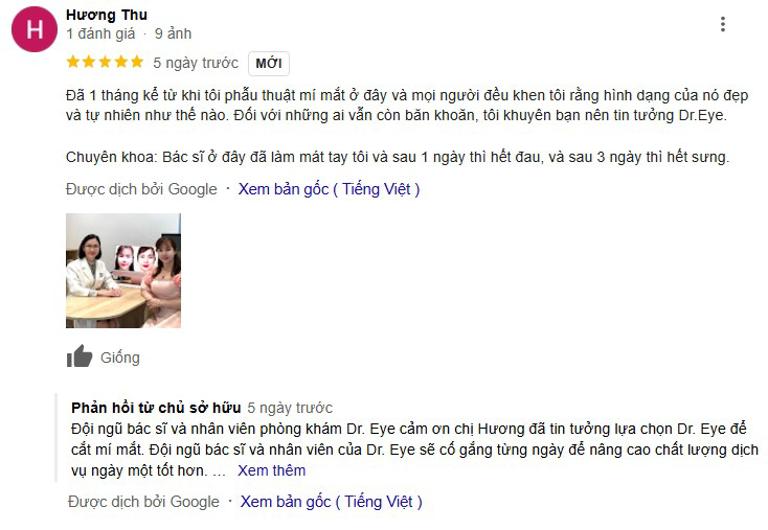
Moreover, to feel more at ease while rediscovering the ‘youthful look’ for your eyes, you can check out authentic testimonials from clients who have experienced the services at Dr. Eye:


Contact to schedule an appointmentIf you accidentally eat beef after the procedure, it doesn’t always lead to serious consequences, but there are some potential negative effects to be aware of. Therefore, if you consume a small amount of beef, it shouldn’t have a significant impact. You should monitor the condition of the wound, and if you notice any unusual signs such as infection or swelling, you should consult a doctor immediately.
4. Besides beef, what else should you avoid after eyelid enhancement?
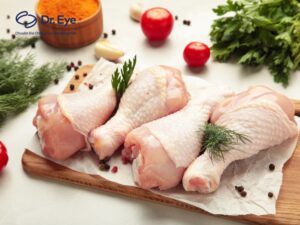
In addition to beef, clients should also avoid certain foods that may cause scarring, darkening, allergies, or infections that could prolong healing, such as seafood, water spinach, sticky rice, fatty or spicy foods, alcoholic beverages, and stimulants.
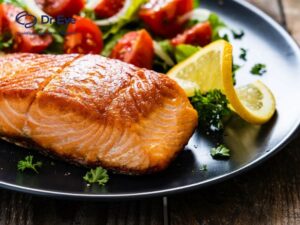
Along with avoiding certain foods, you should include beneficial foods that promote faster healing and support the desired results of your eyelid enhancement, such as leafy greens, fruits rich in vitamin C and antioxidants (strawberries, pineapple, kiwi, blueberries), pork, soybeans, almonds, and more.

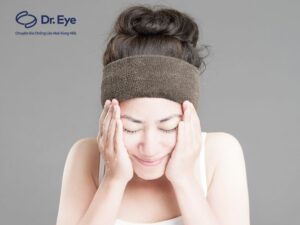
We hope the information above has helped women clarify their concerns about how long to avoid beef after double eyelid surgery and take note for quicker healing. A proper diet is very important after the double eyelid procedure, so it is essential to follow your doctor’s guidelines. Additionally, to achieve the desired results after the double eyelid procedure and minimize swelling and pain, you should choose a reputable aesthetic clinic with experienced doctors performing the procedure.
References
- Caring for Yourself After Your Blepharoplasty. https://www.mskcc.org/cancer-care/patient-education/instructions-care-after-blepharoplasty (accessed 09/27/2024)
- Post-Operative Instructions for Eyelid Surgery and Brow Lift. https://www.nwvalleyoralandfacialsurgery.com/procedures/cosmetic-surgery/surgery-instructions/eyelid-and-forehead-lift/ (accessed 09/27/2024)
Introduction Dr. Eye
Understanding the desire to preserve the youthful beauty of the eyes for middle-aged women, Dr. Eye offers modern solutions to address all aging issues around the eyes such as sagging eyelids, eye bags, crow’s feet,…


Related articles



 BOOK AN APPOINTMENT


