

Can I eat fish after eyelid surgery? Effective care for the incision.
Choosing the right foods in your diet can help wounds heal faster after upper eyelid surgery, minimizing the risk of unsightly scars. So, after upper eyelid surgery, can you eat fish? And how long should you avoid fish after the surgery? Dr. Eye will address these questions and share additional care tips to help maintain beautiful eyelid creases for the long term. Stay tuned!
1. Can you eat fish after eyelid surgery?
In response to the question “can you eat fish after upper eyelid surgery?“, the answer is YES. Fish is a food rich in protein, which is beneficial for the self-recovery and regeneration of the skin. However, fish is known for its slightly fishy smell and can be prone to bacterial contamination during storage. If fish is not cleaned properly before cooking, consuming it may lead to inflammation or rashes on the eyelid wounds, especially since seafood, particularly fish, contains high levels of histamine that can trigger allergies. Therefore, those with slow healing tendencies or sensitive skin should consider this before eating.
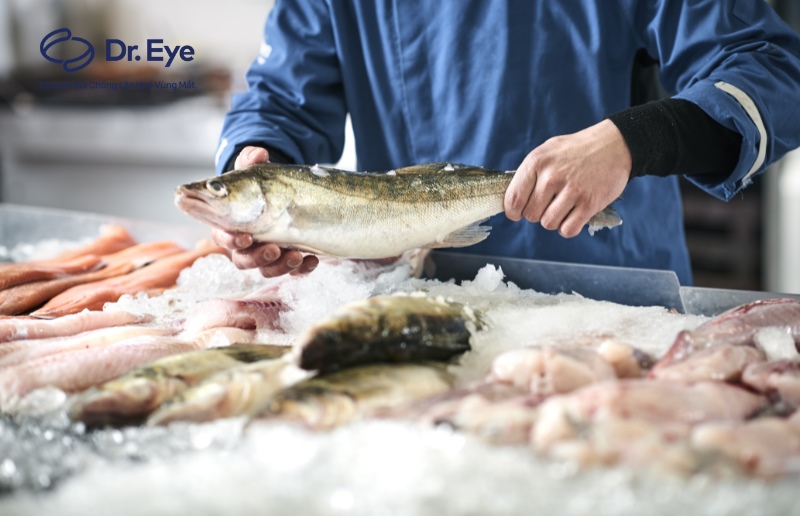

2. How long should you avoid fish after eyelid surgery?
The duration for avoiding fish after upper eyelid surgery will depend ondepends on the individual’s constitution. Specifically:
- Individuals with normal healing abilities: Typically, they only need to avoid eating fish for 1 week after upper eyelid surgery.
- Individuals with sensitive skin and slow healing: It is advisable to avoid fish for at least 1 month to ensure the incision heals properly and to minimize irritation that could lead to infection affecting aesthetic results.
3. What should clients avoid after upper eyelid surgery to ensure safety?
In addition to the question of whether clients can eat fish after upper eyelid surgery, it is also important to avoid certain foods to prevent complications:
- Beef: Although it is a good source of nutrients that help with blood and provide antioxidants, beef contains a lot of protein and dark pigments. Consuming it can easily lead to dark scarring, affecting the aesthetic appearance of the eyelids.
- Spicy and hot foods such as spicy noodles, fried chicken, fried foods, etc.: Eating these can cause internal heat, increasing the risk of inflammation at the incision site and prolonging the healing time.
- Sticky rice dishes: Clients who have just undergone upper eyelid surgery should avoid sticky rice dishes like sticky rice and bánh chưng, as they may cause pus formation, leading to delayed healing and potential scarring.scars.
- Poultry (such as chicken, duck): These types of food can cause itching and discomfort when consumed, affecting the wound healing process.
- Water spinach: Water spinach contains a high amount of collagen, making it unsuitable to eat when there are open wounds, as it can lead to keloid scars.
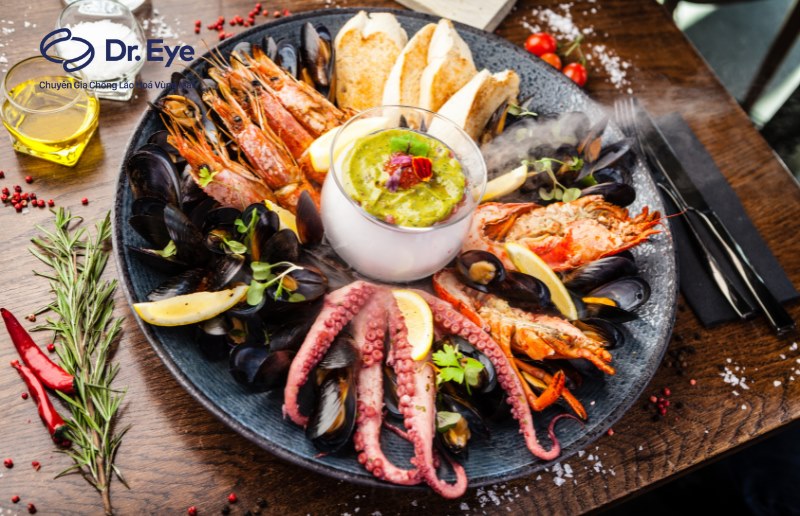
- Seafood: It has a strong odor, is high in protein, and contains a lot of histamine – a substance that can cause allergies when ingested, leading to rashes, itching, and an increased risk of keloid scars after eyelid surgery.

4. What foods should be eaten after eyelid surgery?
Below is a recommended diet for those who have just undergone eyelid surgery, encouraged by Dr. Eye to promote healing and help the eyelid crease return to a naturally beautiful shape:
- Green vegetables: Foods such as spinach, watercress, and kale are rich in nutrients and high in fiber, making them suitable forfor those who have undergone eyelid surgery, it is beneficial for the healing process.
- Fruits: Fruits rich in Vitamin C such as oranges, grapefruits, strawberries, pineapples, kiwis, etc., help boost immunity and support the cell regeneration process, aiding in quick wound recovery.
- Protein-rich foods: Some good plant-based protein sources like soybeans, seaweed, almonds, walnuts, etc., not only provide nutrients and enhance health but also stimulate skin regeneration, helping wounds heal faster.
- Zinc-rich foods: Some foods containing zinc such as grains, nuts, legumes, etc., help reduce inflammation and support the collagen regeneration process, aiding in quick wound recovery.

5. Important notes to help achieve a natural and well-defined eyelid crease
To achieve a naturally beautiful eyelid crease, ensure quick healing and achieve the desired aesthetic results, the most important factors are:
- Choose a reliable facility specializing in aesthetic treatments for the eye area, with extensive experience in eye aesthetics: This is a crucial factor that significantly impacts the results of your upper eyelid surgery. Reputable locations licensed by the Ministry of Health, with skilled doctors, are essential.A licensed practitioner performing upper eyelid surgery and skillfully suturing will help the eyelid crease shape quickly, heal faster, and minimize scarring.
|
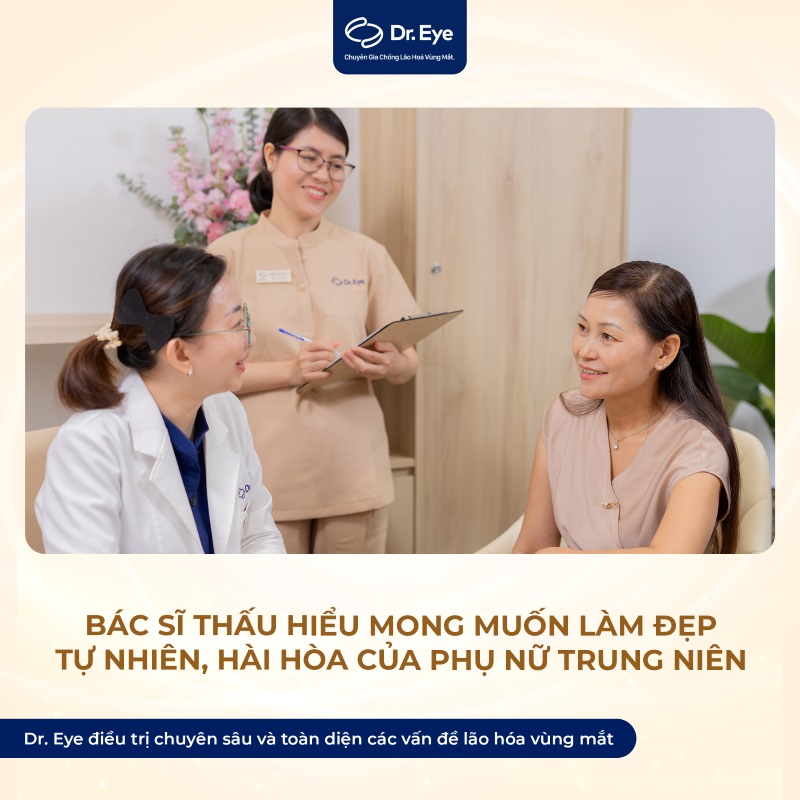
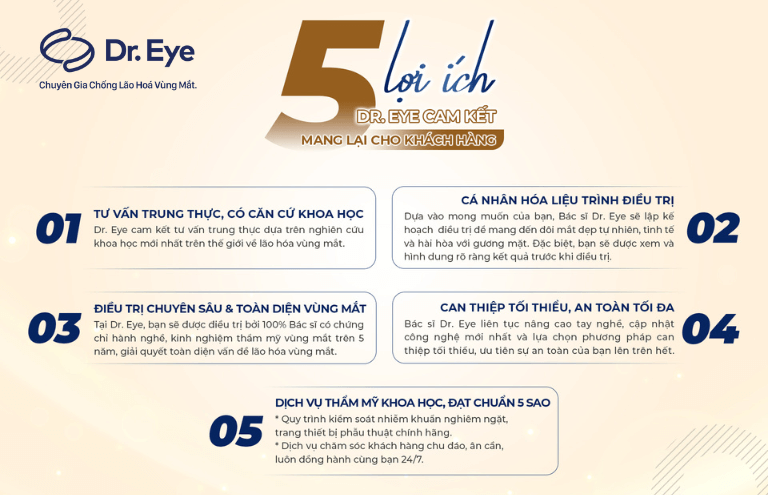
Dr. Eye – A trusted clinic for upper eyelid surgery chosen by many clients Currently, Dr. Eye is the FIRST center specializing in comprehensive anti-aging treatments for the eye area aimed at middle-aged women, offering a variety of services including upper eyelid surgery, non-incisional double eyelid procedure, brow lift, and more. Dr. Eye is a preferred choice for clients seeking upper eyelid surgery due to its outstanding advantages:
Choosing upper eyelid surgery at Dr. Eye, many clients are completely satisfied with the unique experience, achieving optimal results while saving time and enjoying many privileges. Specifically, clients can:
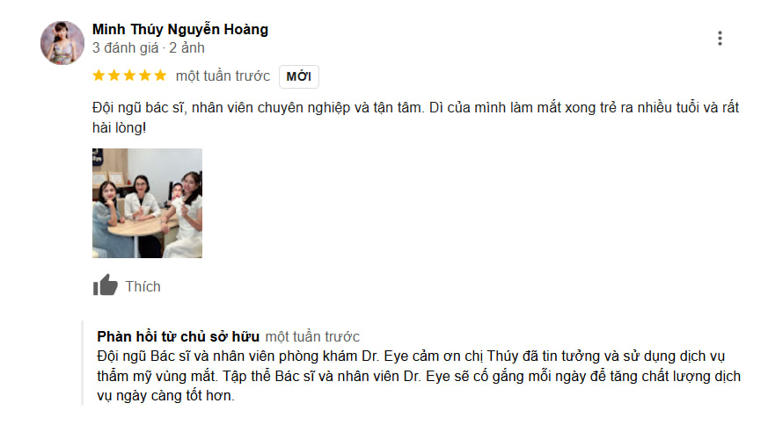
Below are testimonials from clients who have undergone upper eyelid surgery at Dr. Eye: Ms. Dao Phuong Nhi, 44 years old, came to Dr. Eye with sunken eyes lacking fat, accompanied by sagging skin and crow’s feet around the eye area. Additionally, low, sagging brows made her overall facial appearance less harmonious. After a thorough examination, the doctors at Dr. Eye applied a technique of upper eyelid surgery and subbrow lift. The results after surgery on the upper eyelids made her eyes more captivating with a beautifully defined eyelid crease, harmonizing with her overall facial features. Ms. Phuong Nhi expressed her satisfaction with this change, feeling completely confident when interacting with others and happily enjoying life.. 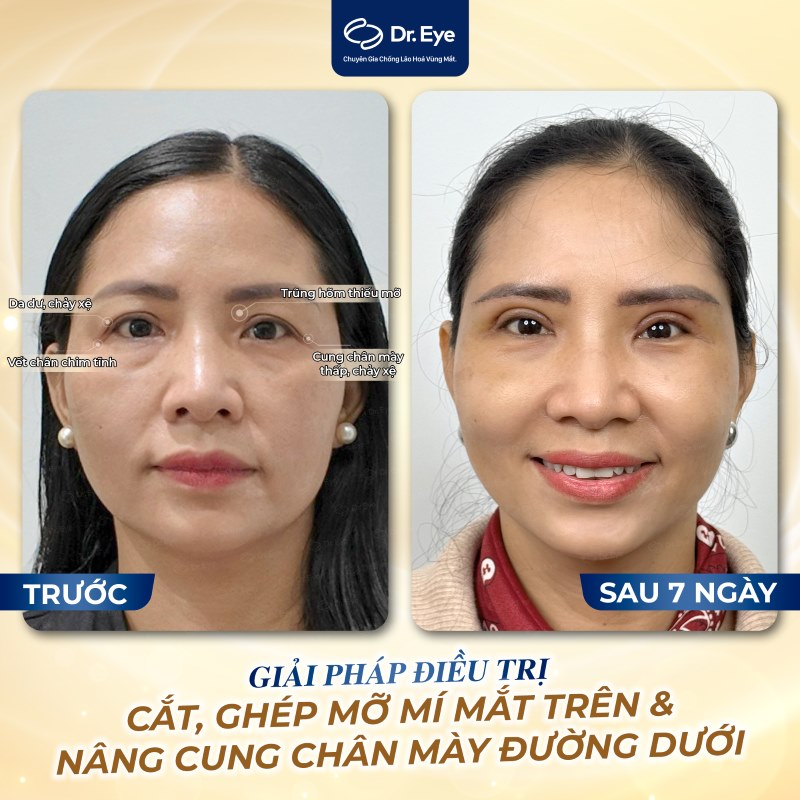 Ms. Tran Thi Thuy Giang, 30 years old, initially presented with uneven eyelid creases, droopy and sagging upper eyelids, along with excess skin and sagging lower eyelids. This made Ms. Giang feel significantly less confident, prompting her to seek help from Dr. Eye. After a thorough examination and consultation, the doctor performed upper and lower eyelid surgery for Ms. Giang. Just 7 days post-treatment, her eyelid creases were clearer and more even, with a smooth lower eyelid area, resulting in a more harmonious and youthful appearance overall. 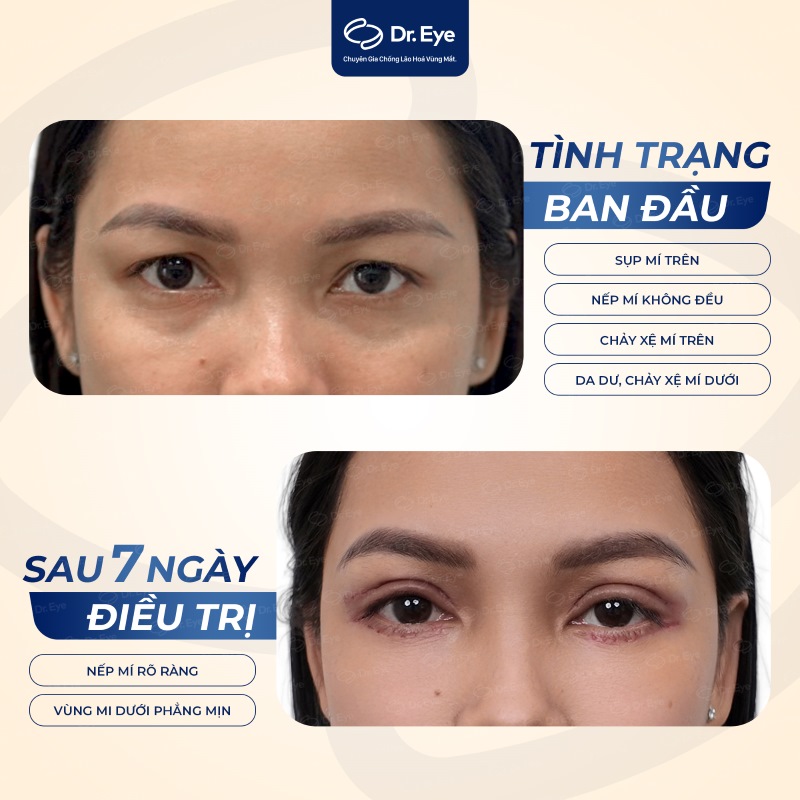 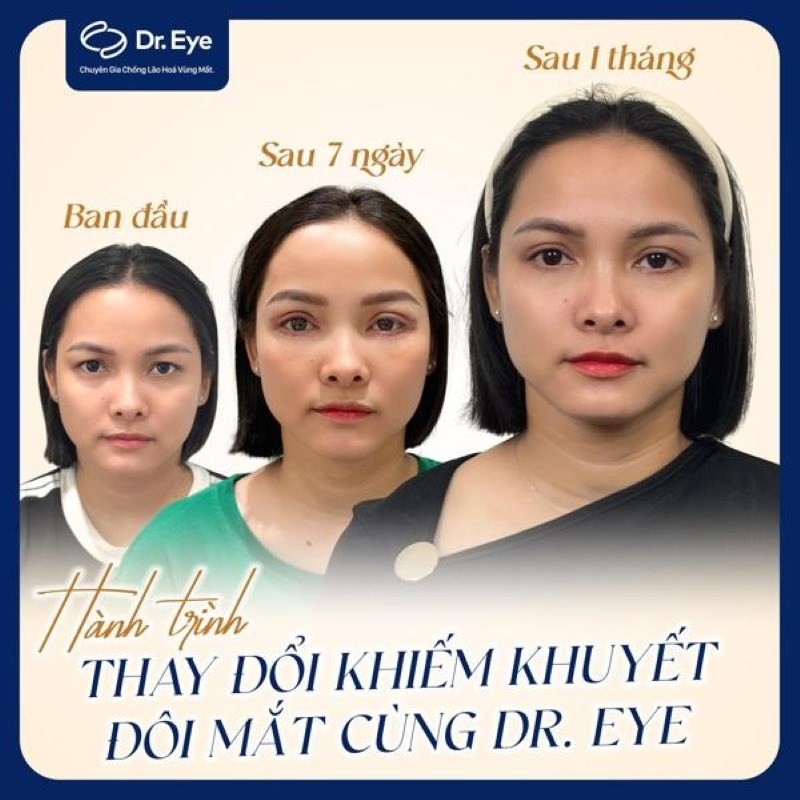 Similar to the cases of Phuong Nhi and Thuy Giang, many clients who have undergone treatment at Dr. Eye now possess youthful, radiant eyes with a more vibrant expression. Specifically, such as:  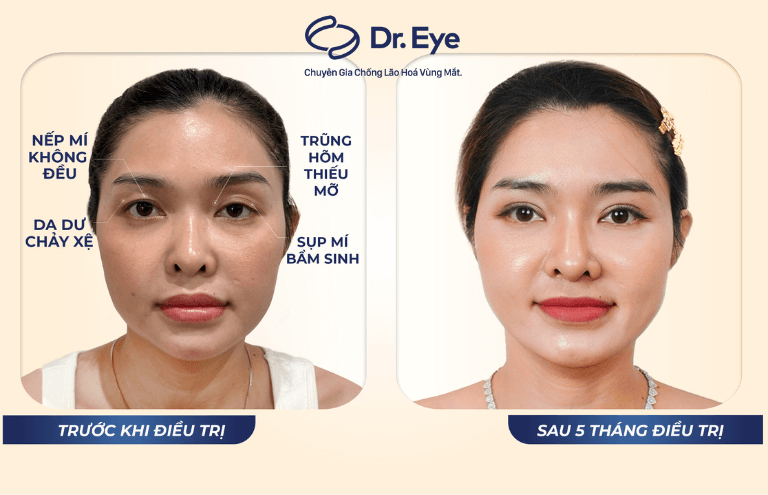 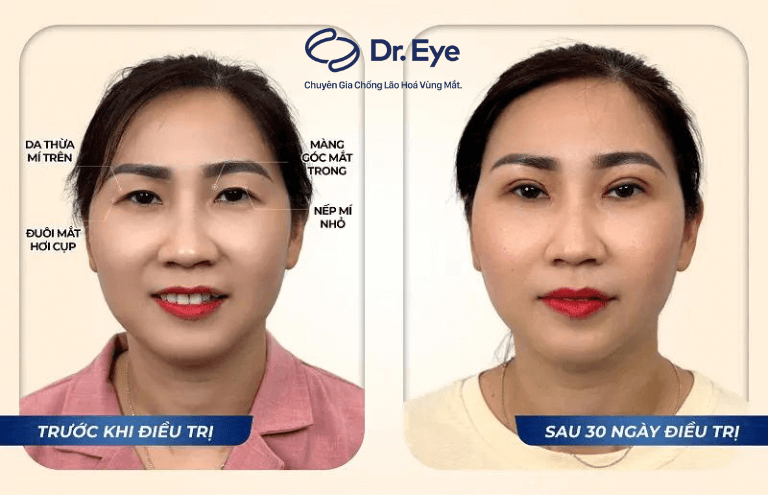 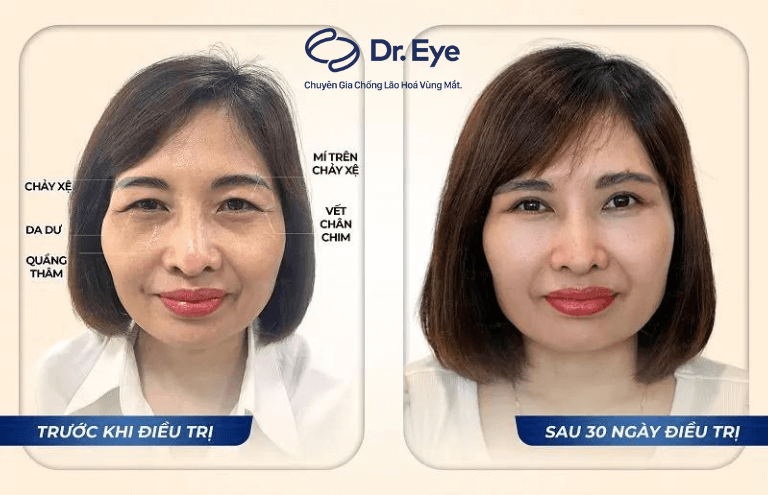 Explore what more clients have said about the expertise of the doctors, the quality of service, and the facilities at Dr. Eye through the reviews on Google below:
|

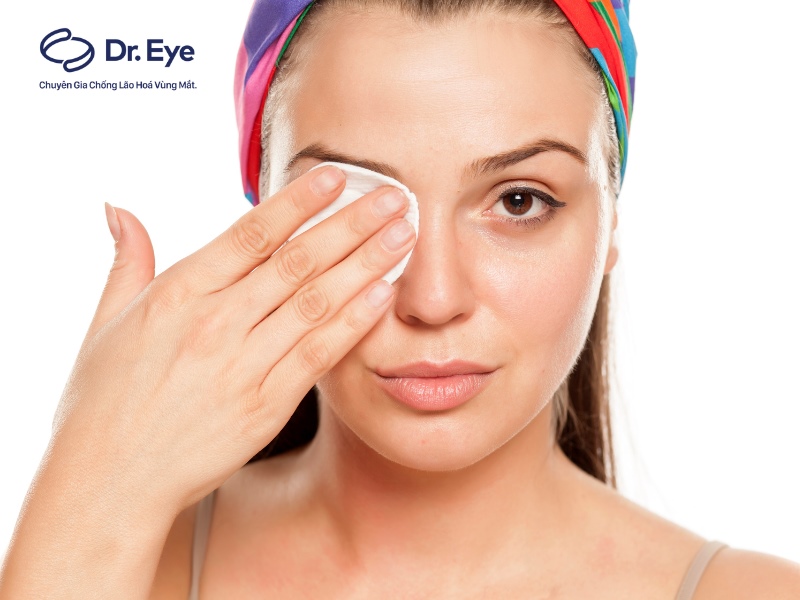
- Proper eyelid hygiene: After upper eyelid surgery, you should use cotton or makeup remover pads soaked in saline solution to clean the wound and change the bandages daily. Additionally, for the first 1-2 days, you may apply a cold compress by placing ice in a bagClean nylon, wrap it in a clean cloth, and then apply it to the inner eyelid area for 10 – 15 minutes to help reduce swelling. After the swelling subsides, starting from day three, switch to warm compresses.
- Limit the use of cosmetics on the eye area: Makeup can cause irritation, leading to infection and prolonging the healing time of the wound. Additionally, it can cause dark scarring due to the coloring agents in these cosmetics.
- Carefully protect the eyelids: After eyelid surgery, it is important to protect your eyes carefully with sunglasses, wide-brimmed hats, etc., when going outside. This helps minimize the harmful effects of UV rays and dirt from the outside that can affect the healing speed of the eyes.
- Maintain a proper rest and lifestyle: You should sleep on time and get enough rest to reduce pressure on the eye area. Additionally, avoid vigorous activities that may stimulate increased blood circulation, which can lead to bruising and darkening of the eyelids.
- Take medications and follow up with your doctor as scheduled: Clients need to use topical or oral medications as prescribed by the doctor to help reduce swelling and pain. At the same time, you should have regular follow-up appointments for the doctor to monitor the healing process, assess aesthetic results, and address any unusual signs promptly.

All of the aboveThe information on Dr. Eye has helped clients address the question can I eat fish after upper eyelid surgery? and how long to avoid it. To ensure a quick recovery and achieve a naturally beautiful eyelid crease, it is essential to choose a reputable aesthetic clinic with modern equipment and a team of experienced doctors.
References
- Northwest Valley “Post-Operative Instructions for Eyelid Surgery and Forehead Lift”, https://www.nwvalleyoralandfacialsurgery.com/procedures/cosmetic-surgery/surgery-instructions/eyelid-and-forehead-lift/ (accessed 05/17/2024)
- Lovely Eye Clinic, “Normal symptoms after double eyelid surgery that don’t need to be overly concerned”, https://www.lovelyeyeclinic.com/en/article/normal-symptoms-after-double-eyelid-surgery-doesnt-need-be-overly-concerned (accessed 05/17/2024)
Introduction Dr. Eye
Understanding the desire to preserve the youthful beauty of the eyes for middle-aged women, Dr. Eye offers modern solutions to address all aging issues around the eyes such as sagging eyelids, eye bags, crow’s feet,…


Related articles
![[FAQ] Can I eat peanuts after eyelid surgery?](https://dreye.vn/wp-content/uploads/2024/07/cat-mi-co-an-dau-phong-duoc-khong-ava.jpg)


 BOOK AN APPOINTMENT


