

[Consultation] Can I eat duck after upper eyelid surgery? 4 things you need to know
Duck meat is a nutritious food that many people love for its firm and sweet taste, and it can be prepared in many delicious dishes. However, can those who undergo eyelid surgery eat duck meat? Let’s find the answer to this question with Dr. Eye in the following article.
1. Can you eat duck meat after eyelid surgery?
To ensure a smooth surgical process, promote quick healing of the eyelid crease, and prevent hypertrophic scars and discoloration, it is very important to establish a proper diet. Therefore, whether you can eat duck meat after eyelid surgery depends on the timing, specifically:
1.1. Before eyelid surgery
Before undergoing eyelid surgery, you should limit the consumption of poultry (chicken, duck, etc.) to help make post-operative reactions milder. It is best to avoid eating duck meat about 7 days before the eyelid surgery to ensure you are in optimal health.
Additionally, it is important to note that about 4 – 5 hours before starting the eyelid correction procedure, you should not eat anything. This ensures that your body does not expend too much energy processing food.
1.2. After eyelid surgery
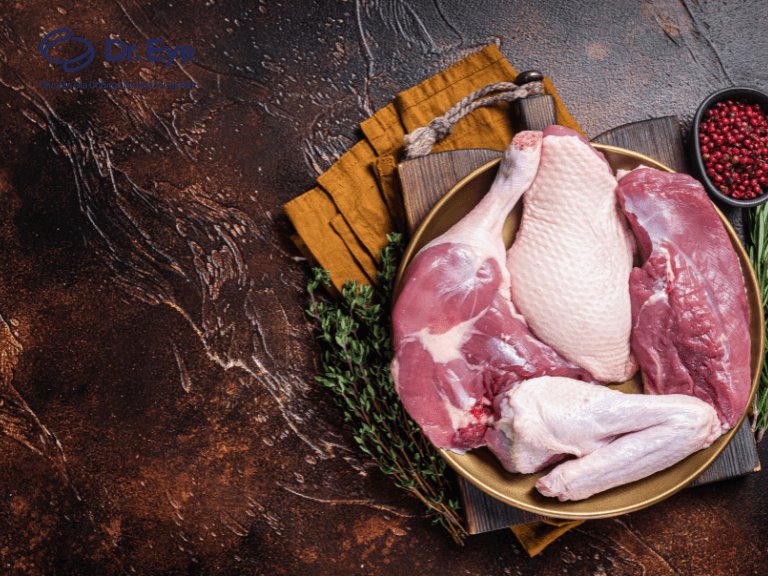
Similarly, in the post-operative diet after eyelid surgery, you should also AVOID eating duck meat to prevent certain adverse effects such as:
- Risk of swelling and inflammation: Duck meat is a type of food with a cooling nature, which may causeincreases the risk of swelling and inflammation at the open wound site after upper eyelid surgery.
- Allergic Reactions: For some individuals, duck meat may cause allergies or side effects such as itching, redness, or inflammation around the eyelid area.
- Formation of Unsightly Scars: Due to its cooling properties and ability to slow down the skin healing process, consuming duck meat after upper eyelid surgery may increase the risk of keloid scars, dark scars, etc., affecting aesthetics.
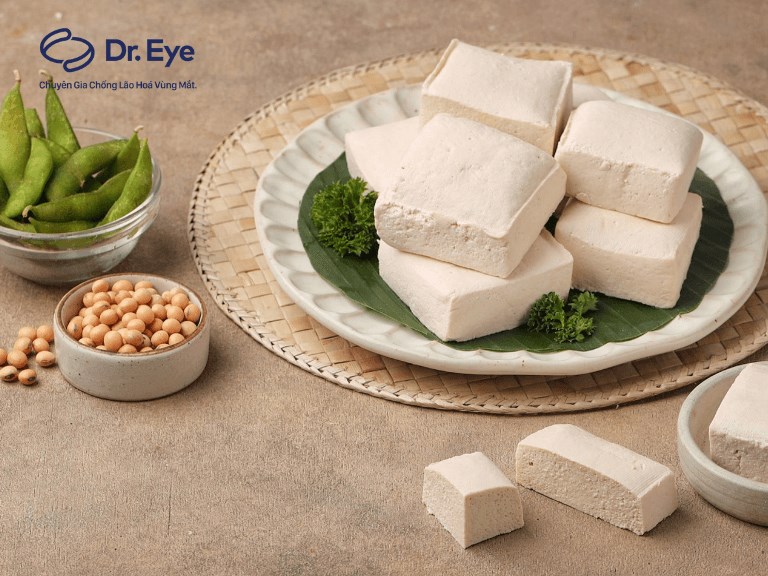
Instead of eating duck meat, to promote faster healing and minimize scarring, you should consume foods rich in vitamins A, C, and fiber; prioritize protein sources such as pork, tofu, and various beans; and ensure adequate hydration by drinking enough water daily.
2. How long should you avoid duck meat after eyelid surgery?
Depending on individual constitution, the duration of avoiding duck meat will vary. Typically, for those with a normal constitution, it is advisable to refrain from eating duck meat for 3 – 4 weeks after upper eyelid surgery. Meanwhile, for individuals with sensitive skin prone to irritation, the durationAvoid duck meat for 1 to 2 months.
Note that when you start eating duck meat again, you should do so in moderation (preferably less than 300g/day) to allow your body to gradually adjust to the substances in this food. Additionally, to aid digestion and avoid putting pressure on the intestines, you should choose cooking methods that use less oil.infection.
4. Other questions about the diet after upper eyelid surgery you should know
Below are some frequently asked questions regarding the dietary guidelines that you may find helpful:
4.1. Can I eat duck eggs after upper eyelid surgery?
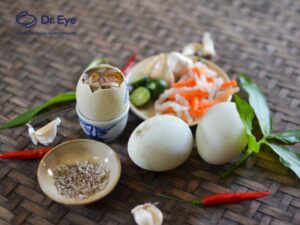
You should avoid eating duck eggs after upper eyelid surgery, as the egg white and embryo can cause inflammation of the wound and prolong recovery. Additionally, the egg yolk stimulates collagen production, which may lead to raised scars and affect the aesthetic outcome. aesthetic.
4.2. How long after upper eyelid surgery can I eat chicken?
After upper eyelid surgery, you should avoid eating chicken for at least 5 – 6 weeks. At this point, the wound will be fully healed, ensuring that it does not affect the aesthetic results and preventing complications such as hypertrophic scars or discoloration.
4.3. Can I eat duck after upper eyelid surgery and when can I return to a normal diet?
After undergoing upper eyelid surgery, it is advisable to avoid eating duck for 7 – 15 days. For individuals with a tendency for slow wound healing or sensitivity, it is recommended to refrain from duck for 3 – 4 weeks. This is because duck meat contains a high amount of protein, which may irritate the wound, causing redness and swelling, and increasing the risk of hypertrophic scars.
4.4. How long after upper eyelid surgery can I eat beef?
How long after upper eyelid surgery can I eat beef depends on the timing before and after the surgery. Accordingly, before undergoing upper eyelid surgery, you should avoid eating beef for 1 – 3 days. After the surgery, you need to refrain from beef for 4 – 6 weeks, until the scar fades and there is no swelling or pain.
The above is the response from Dr. Eye regarding the question Can I eat duck after upper eyelid surgery? We hope this helps you establish a healthy diet after your eye-area rejuvenation, achieving the desired aesthetic results.
Additionally,One key factor that determines whether upper eyelid surgery results are beautiful is the aesthetic clinic where it is performed. If the clinic has a team of highly skilled doctors, invests in modern equipment, and applies new techniques, it ensures a quick, neat, and precise eyelid crease formation.
Dr. Eye – The FIRST center specializing in eye-area rejuvenation, confidently accompanies clients in regaining youthful, radiant eyes. With a team of well-trained doctors, skilled expertise, and modern facilities, the medically standardized procedure ensures safety for clients throughout the treatment process.
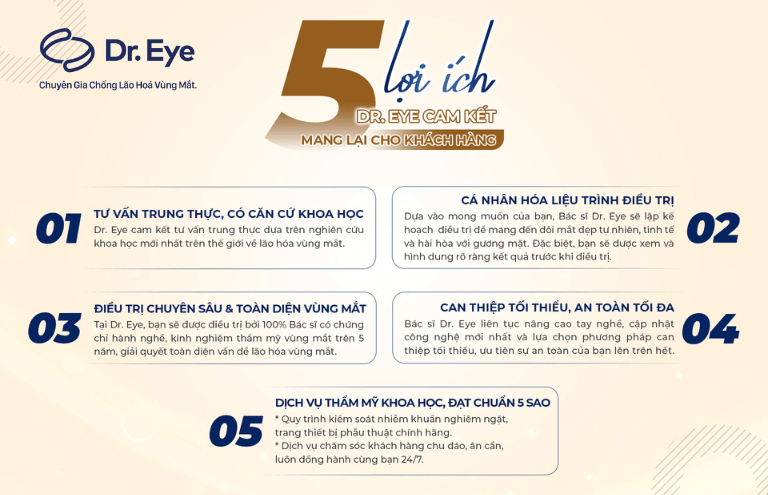
Dr. Eye performs the upper eyelid surgery procedure safely, helping clients experience minimal pain, quick recovery, and little need for downtime. In particular, the doctor will provide detailed post-operative care instructions to clients, ensuring the eyelid crease heals quickly and beautifully.
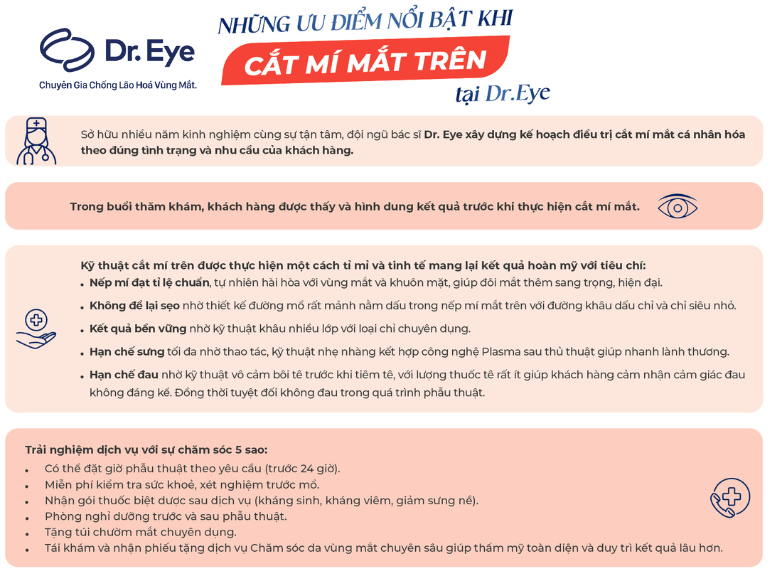
Additionally, clients can rest assured that all upper eyelid surgeries at Dr. Eye strictly adhere to basic criteria.Below:
- Symmetrical eyes that harmonize with the overall face, creating depth and expression.
- Clearly defined double eyelids, with sharp, natural creases.
- The size of the eyelids is proportionate to the size of the eyelid cartilage, helping the eyes appear larger and more attractive.
- The length of the eyelids is moderate, matching the length of the outer corners of the eyes.
- The distance from the middle of the eyelid to the lower brow edge is not too narrow.
Let’s take a look at some successful upper eyelid surgery cases with Dr. Eye, helping clients regain bright and captivating eyes.
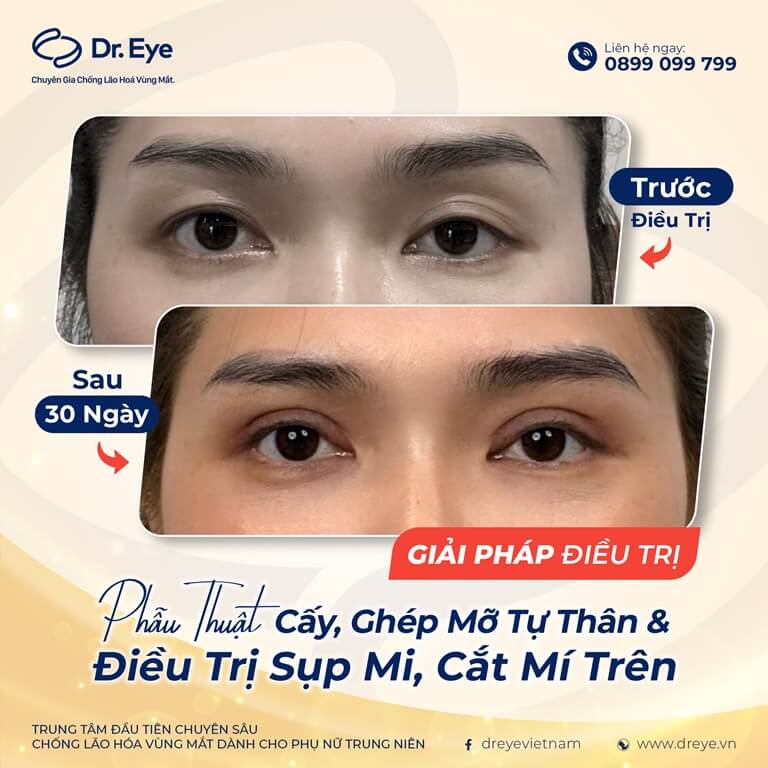
Another case is Ms. Giang, who came to Dr. Eye with uneven eyelid creases, sagging upper eyelids, ptosis, excess skin, and sagging lower eyelids. After a thorough examination, the doctor recommended upper and lower eyelid surgery to help Ms. Giang improve the imperfections of her eyes. Let’s watch Ms. Giang’s remarkable transformation journey in eye aesthetics at Dr. Eye in the video below:
Contact Dr. Eye now to receive detailed consultation from a specialized doctor about the eyelid surgery procedure, helping you regain natural and bright eyes.
Request a callback for consultation
References
- templehealth.org. Six Post-Surgery Nutrition Tips. 02/22/2024. https://www.templehealth.org/about/blog/6-tips-for-good-nutrition-after-surgery# (Accessed 07.30.2024)
Introduction Dr. Eye
Understanding the desire to preserve the youthful beauty of the eyes for middle-aged women, Dr. Eye offers modern solutions to address all aging issues around the eyes such as sagging eyelids, eye bags, crow’s feet,…


Related articles


 BOOK AN APPOINTMENT


